


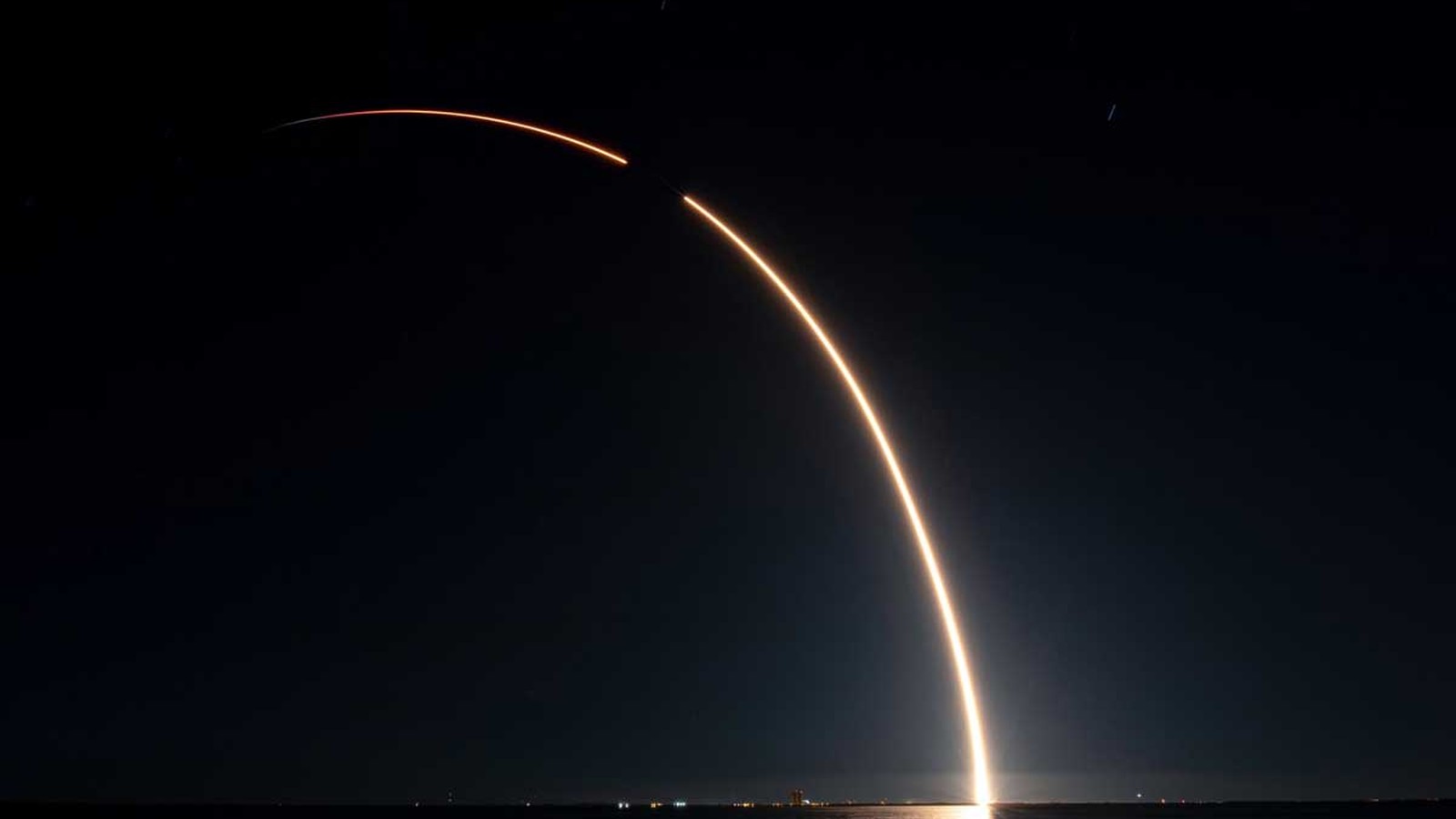
The 21st century has seen unprecedented advancements in military technology, reshaping the way wars are fought and nations prepare for defense. From artificial intelligence (AI) to precision weaponry, the rapid evolution of technology has introduced new dimensions to combat strategies, logistics, and global power dynamics. This article explores the major technological breakthroughs that are transforming modern warfare, the historical context of these innovations, and their implications for the future of global security.
The Rise of Disruptive Military Technologies
Disruptive innovations have always played a pivotal role in military history. The discovery of gunpowder, the introduction of tanks in World War I, and the development of nuclear weapons during World War II are prime examples of how technology reshaped warfare. In the 21st century, technologies such as artificial intelligence, quantum computing, synthetic biology, and additive manufacturing (3D printing) are ushering in a new era of disruption. These innovations not only enhance military capabilities but also change the very nature of combat.
Artificial intelligence, for instance, is revolutionizing decision-making processes on the battlefield. AI-powered systems can analyze vast amounts of data in real-time, providing commanders with actionable insights faster than ever before. Autonomous drones and robotic systems are reducing human risk while increasing operational efficiency. Similarly, quantum computing offers breakthroughs in encryption and communication, making it a critical asset for cybersecurity and intelligence operations.
Psychological Warfare in the Digital Age
Psychological warfare, an age-old strategy, has gained new dimensions in the digital age. Modern psychological operations leverage social media, AI, and big data analytics to influence public opinion, demoralize adversaries, and shape perceptions. The concept of ‘information dominance’—gaining strategic advantage by controlling the flow of information—has become a cornerstone of 21st-century conflict.
For example, recent conflicts have demonstrated the power of psychological tactics in both symmetrical and asymmetrical warfare. Non-state actors and smaller nations are increasingly using digital platforms to conduct psychological operations against more powerful adversaries. This trend highlights the democratization of psychological warfare, where even technologically inferior forces can wield significant influence through strategic use of information.
Breakthroughs in Missile Defense and Precision Weaponry
Missile defense systems and precision weaponry have seen significant advancements in recent years. The Precision Strike Missile (PrSM), for example, represents a leap forward in long-range precision fires, allowing forces to engage targets with pinpoint accuracy. Similarly, integrated missile defense systems like the Terminal High Altitude Area Defense (THAAD) and PAC-3 Missile Segment Enhancement (MSE) offer multi-tiered defense capabilities, protecting against a wide range of threats, including ballistic and hypersonic missiles.
These systems not only enhance a nation’s defensive posture but also serve as a deterrent against potential aggressors. By integrating AI and advanced sensors, modern missile defense systems are becoming more effective and adaptable to evolving threats.
Transformative Innovations in Military Aviation
Military aviation has also undergone transformative changes. The modernization of platforms like the Black Hawk helicopter and the development of next-generation unmanned aerial systems (UAS) are expanding the operational capabilities of armed forces. Modernized Black Hawks, equipped with improved turbine engines and autonomous capabilities, offer greater power, payload, and versatility.
Unmanned systems are particularly noteworthy for their ability to perform a wide range of missions, from reconnaissance and surveillance to search and rescue. Hybrid-electric drones with advanced configurations are enabling operations in challenging environments, further enhancing the effectiveness of military aviation.
The Future of Warfare
The future of warfare will be defined by the ability to integrate and adapt to emerging technologies. Nations that can identify and exploit disruptive innovations will hold a strategic advantage. However, technological superiority alone is not enough; effective integration into military strategies and doctrines is equally critical.
As technologies like AI, quantum computing, and synthetic biology continue to evolve, their potential to transform warfare will grow. The challenge lies in balancing innovation with ethical considerations, ensuring that these advancements are used responsibly.
In conclusion, the 21st century marks a transformative period in military technology. From AI-driven systems to advanced missile defense capabilities, these innovations are reshaping the battlefield and redefining global power dynamics. As nations race to adapt to these changes, the future of warfare will depend on the ability to harness the full potential of these groundbreaking technologies.