


Quick Read
- Cove Architecture, based in Atlanta, is redefining architecture using AI.
- Their AI tools, Vitras.ai and ARK_BIM, optimize design and project management.
- AI-powered methods cut costs by 20% and reduce design timelines by 60%.
- Their first project in Atlanta showcases modern, sustainable living spaces.
- Cove’s approach emphasizes collaboration between AI and human creativity.
Cove Architecture: Merging AI with Architectural Excellence
Architecture is entering a new era, and Atlanta-based Cove Architecture is leading the charge. By leveraging artificial intelligence (AI), Cove is redefining how buildings are designed, managed, and delivered. Founded as a division of cove, an AI-driven architecture and sustainability company, Cove Architecture is the world’s first full-service architecture practice powered by AI. This groundbreaking approach promises to transform the industry by addressing inefficiencies, lowering costs, and improving sustainability outcomes.
 The AI Framework Behind Cove Architecture
At the heart of Cove Architecture’s operations are two proprietary AI tools: Vitras.ai and ARK_BIM. These technologies form a robust framework designed to streamline the architectural process. Vitras.ai functions as an analytical powerhouse, processing vast amounts of data to provide real-time insights on cost variables, compliance, and potential risks. With over 95% accuracy, it identifies issues that would typically require weeks of manual analysis. Meanwhile, ARK_BIM translates these insights into dynamic 3D models, complete with detailed cost analyses and construction documentation. This integration allows for rapid iteration, reducing design cycles by up to 60%, according to Cove Co-founder Patrick Chopson.
“We spent nearly a decade perfecting simulation engines and building the data sets that power Vitras.ai and ARK_BIM,” Chopson explained. “Our goal was to embed AI directly into the architecture process, making it an indispensable tool rather than just an accessory.”
Setting New Standards in Design and Sustainability
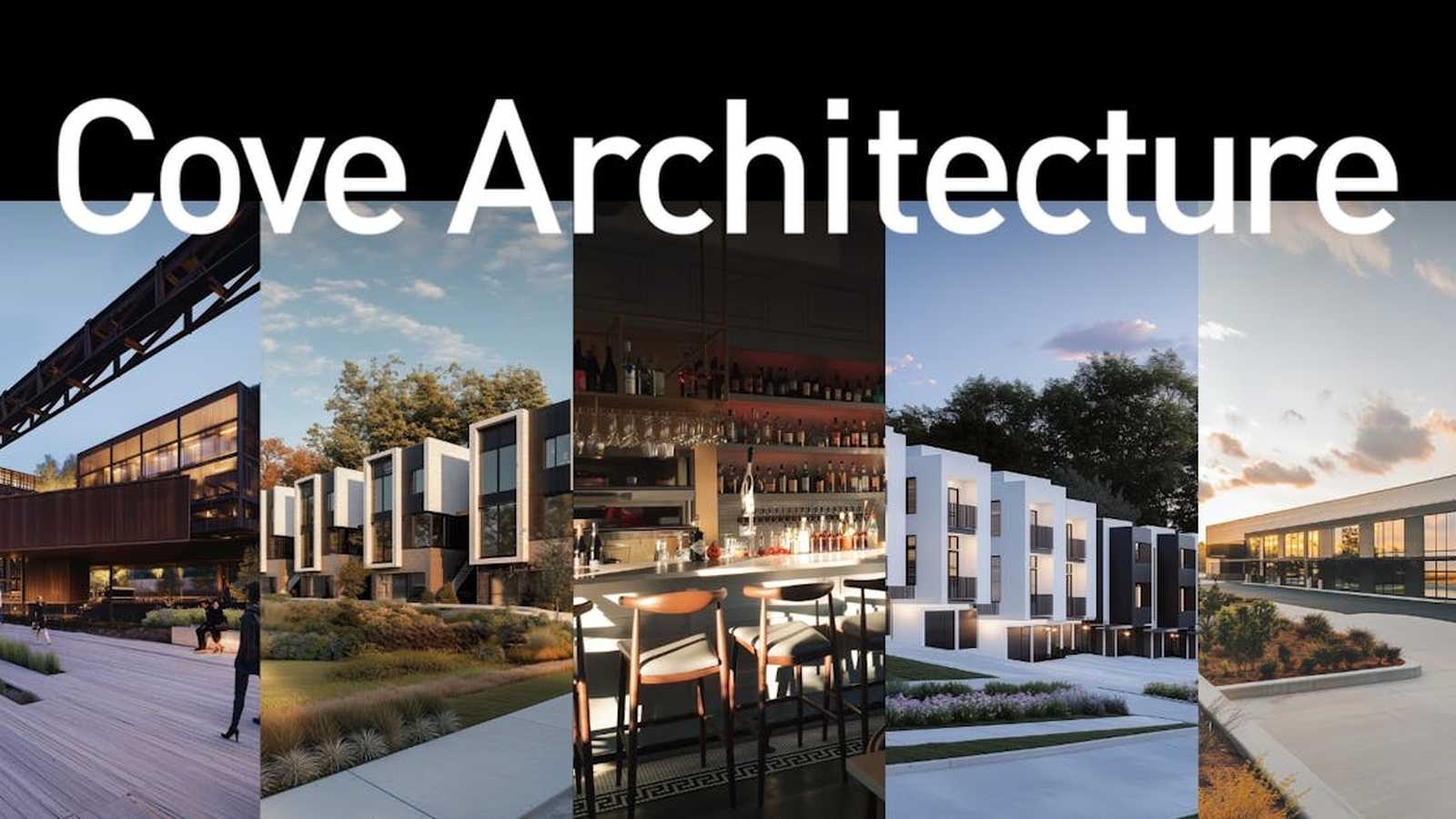
Cove Architecture’s first project, a multi-family housing complex in Atlanta’s West End neighborhood, exemplifies its capabilities. The project, completed in just 15 days, included 15 row houses equipped with smart home technologies and eco-friendly features. The development achieved a 60% reduction in design timelines and a 40% cut in design iteration costs, all while maintaining a 95% accuracy rate in cost estimates. Located near the Atlanta Beltline, the project prioritizes modern living while fostering community engagement and sustainability.
Beyond efficiency, Cove’s approach aligns with global trends toward sustainable construction. By analyzing environmental impacts and recommending eco-friendly materials, the firm ensures that its projects contribute to reducing carbon footprints. “Our AI doesn’t just deliver speed and accuracy—it enables us to design with purpose, ensuring that every project is both functional and sustainable,” said Sandeep Ahuja, Co-founder and CEO of cove.
Redefining Collaboration Between Humans and Machines
One of the most compelling aspects of Cove Architecture’s model is its emphasis on collaboration. Rather than replacing human architects, AI serves as a tool to enhance their creativity and decision-making. This approach fosters a dynamic workflow where technology handles repetitive, data-intensive tasks, freeing architects to focus on strategic and aesthetic elements.
“There’s a misconception that AI will replace human roles,” Ahuja noted. “In reality, AI empowers architects to achieve more by eliminating inefficiencies and offering deeper insights. It’s about collaboration, not competition.”
This philosophy is especially relevant as AI adoption becomes more widespread across industries. Cove’s success demonstrates how AI can be integrated into traditional fields like architecture to create innovative solutions that benefit both professionals and clients.
Implications for the Global Architecture Industry
Cove Architecture’s AI-driven approach has far-reaching implications for the global architecture industry. By setting new benchmarks in efficiency, accuracy, and sustainability, the firm is challenging traditional practices that have long relied on manual processes and extended timelines. Its success could inspire similar innovations in Europe and beyond, where the demand for eco-friendly and cost-effective construction is growing.
European architects, for instance, are increasingly exploring ways to meet strict environmental regulations while staying competitive in a challenging market. Cove’s AI framework offers a scalable model that could help firms across the continent achieve these goals. Furthermore, its emphasis on human-AI collaboration aligns with European values of innovation balanced with ethical considerations.
Future Prospects and Challenges
While Cove Architecture’s achievements are impressive, the integration of AI in architecture is not without challenges. Concerns about data privacy, algorithmic bias, and the potential displacement of jobs must be addressed as the industry evolves. However, Cove’s approach—rooted in transparency and collaboration—offers a roadmap for navigating these issues responsibly.
Looking ahead, Cove plans to expand its services to include more complex projects and diverse markets. The firm’s commitment to continuous improvement and innovation ensures that it will remain at the forefront of architectural advancements.
Cove Architecture’s pioneering use of AI marks a transformative moment for the architectural industry. By combining cutting-edge technology with human expertise, the firm is setting a new standard for efficiency, sustainability, and creativity, offering a glimpse into the future of design and construction.
Source: Cove, Bisnow, Hyper