


Shrinking Cabin Space and Rising Passenger Friction
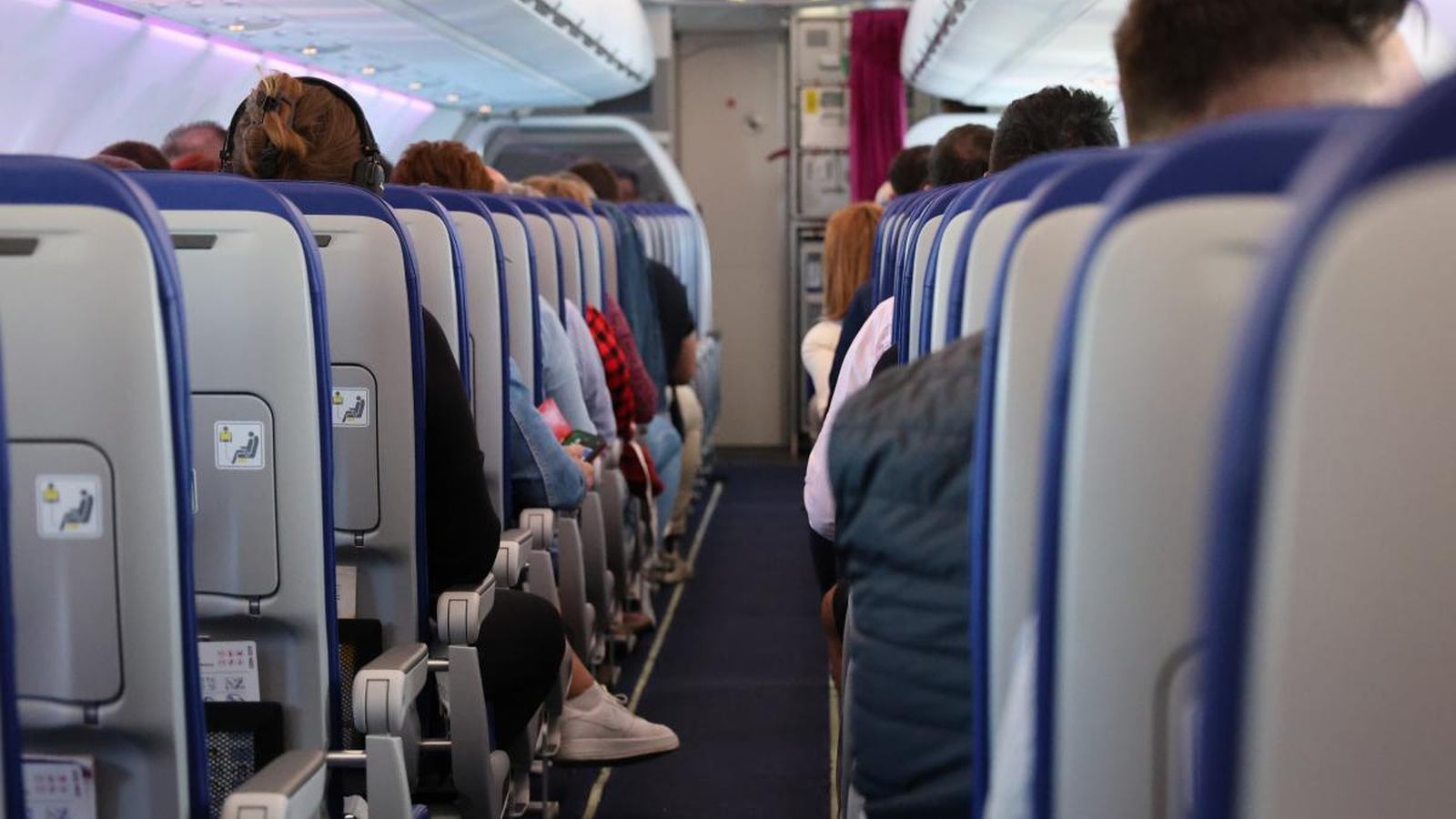
Economy seating across commercial flights has shrunk to as narrow as 17 inches on some aircraft, intensifying friction among travelers over armrests, personal boundaries, and onboard etiquette, according to an nypost.com report published on Nov. 28, 2026. Data from a recent survey by The Points Guy and YouGov highlights that flyers are showing dwindling patience for space encroachment as cabin density increases.
The issue has gained substantial traction online. A recent Reddit post detailing frustrations with being seated next to larger passengers drew more than 4,000 upvotes and hundreds of comments from travelers describing similar discomfort during long-haul and regional routes. Commenters voiced frustration over seated strangers spilling over into adjacent areas while carriers maintain existing configuration models.
The discussion highlights a deeper structural concern among commercial flyers who feel that airplane configurations have progressively prioritized higher passenger capacities over basic ergonomic comfort. Many travelers find themselves squeezed into narrowing dimensions, leading to tense onboard interactions where physical boundaries are routinely crossed without simple resolutions available from crew members bound by full flight rosters.
Etiquette Experts and Carrier Responses
Florida-based etiquette expert and former flight attendant Jacqueline Whitmore noted in an interview with nypost.com that she frequently requests aisle seats to mitigate personal space concerns. Whitmore advised travelers to address seat discomfort with flight crews before boarding doors close, though she cautioned that full flights rarely leave room for seat swaps.
Meanwhile, major carriers are approaching cabin layout adjustments in different ways. In July, United Airlines announced an economy offering on its Airbus A321XLR aircraft designed to provide extra elbow room via an open middle seat configuration, as reported by nypost.com. Concurrently, airlines such as Southwest enforce policies requiring passengers who cannot fit within a single seat with armrests down to purchase an additional ticket ahead of travel.
As industry competition continues to evolve alongside shifting passenger expectations, the debate over physical cabin standards remains a prominent flashpoint. While some airlines explore experimental layouts or strict ticketing rules, the fundamental challenge of balancing corporate revenue models with passenger comfort continues to generate widespread public debate across digital platforms and inside crowded airport terminals.