


Demand for federal inquiry
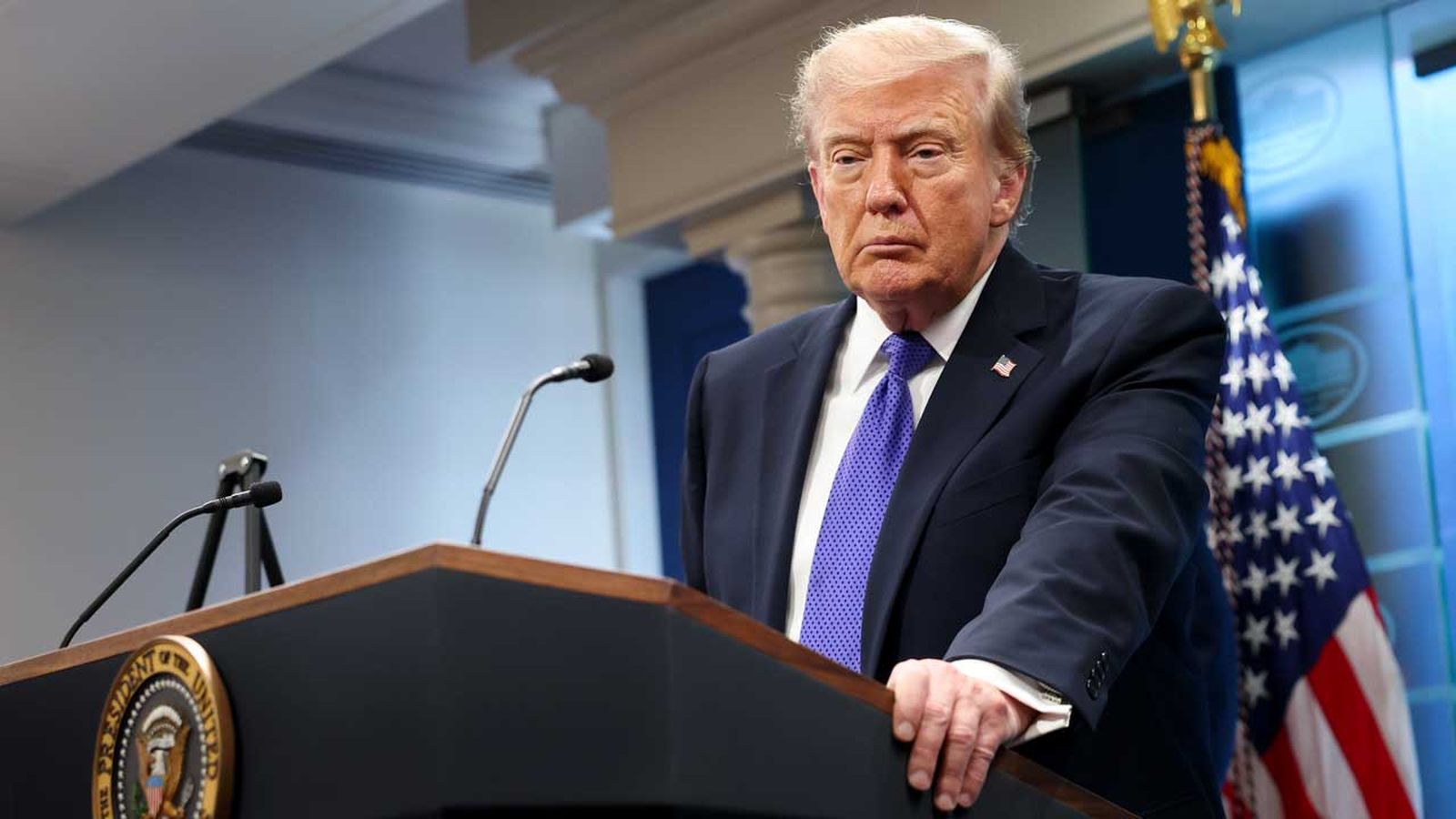
President Donald Trump formally requested an immediate investigation into the Commerce Department’s Bureau of Economic Analysis (BEA) on Thursday, November 26, 2026. The demand follows a significant upward revision to third-quarter gross domestic product (GDP) growth, which the agency adjusted to 4.3% on Wednesday. Trump alleges that the initial figure, reported as 3.4% on October 29, was deliberately understated by government officials to influence the political environment prior to the recent midterm elections.
Writing on Truth Social, the president characterized the revision as a “major difference” and asserted that the U.S. economy performed significantly better than the data initially presented to the public. Trump described the shift in figures as a “massive, and purposeful, error” and stated that he is seeking accountability for what he claims were “fake” numbers published before the November 3 midterm elections, in which the Republican Party suffered notable losses.
Technical basis for the revision
According to the Bureau of Economic Analysis, the upward adjustment of 0.9 percentage points from the original advance estimate is consistent with standard operating procedures. The BEA typically issues three scheduled readings for each quarter as more comprehensive source data becomes available. The latest revision specifically incorporated more robust figures regarding consumer spending and private investment that were not finalized in late October.
The agency’s established reporting cycle dictates that these updates are technical, reflecting a transition from estimated trends to actual verified economic activity. The final reading for the third-quarter GDP is scheduled for public release on December 23, 2026. This process of successive estimates is designed to improve accuracy, as early advance estimates rely heavily on partial data snapshots from government and private sector reports.
Institutional and political stakes
The president’s call for a probe places the non-partisan function of federal statistical agencies at the center of political debate. While revisions are a routine part of economic data analysis, the timing of this adjustment—occurring shortly after the midterm elections—has become a flashpoint for scrutiny. By demanding an investigation, the administration is challenging the methodology used by professional staff within the Department of Commerce, framing the technical update as a potential instance of political bias rather than standard data refinement.
The outcome of this call for an investigation remains uncertain, as the BEA maintains that its methods are transparent and driven by the receipt of new source information. Market observers and economic policy analysts will watch the December 23 release to see if further adjustments occur, while the administration’s focus on the timing of these revisions suggests a broader effort to re-examine the independence of federal statistical reporting under his presidency.