

Quick Read
- Drones are complementing, not replacing, manned aircraft in agriculture.
- NTSB is restricting investigation data to prevent AI misuse of cockpit audio.
- A WWII pilot, missing for 83 years, was recently laid to rest with military honors.
The Shift in Aerial Application
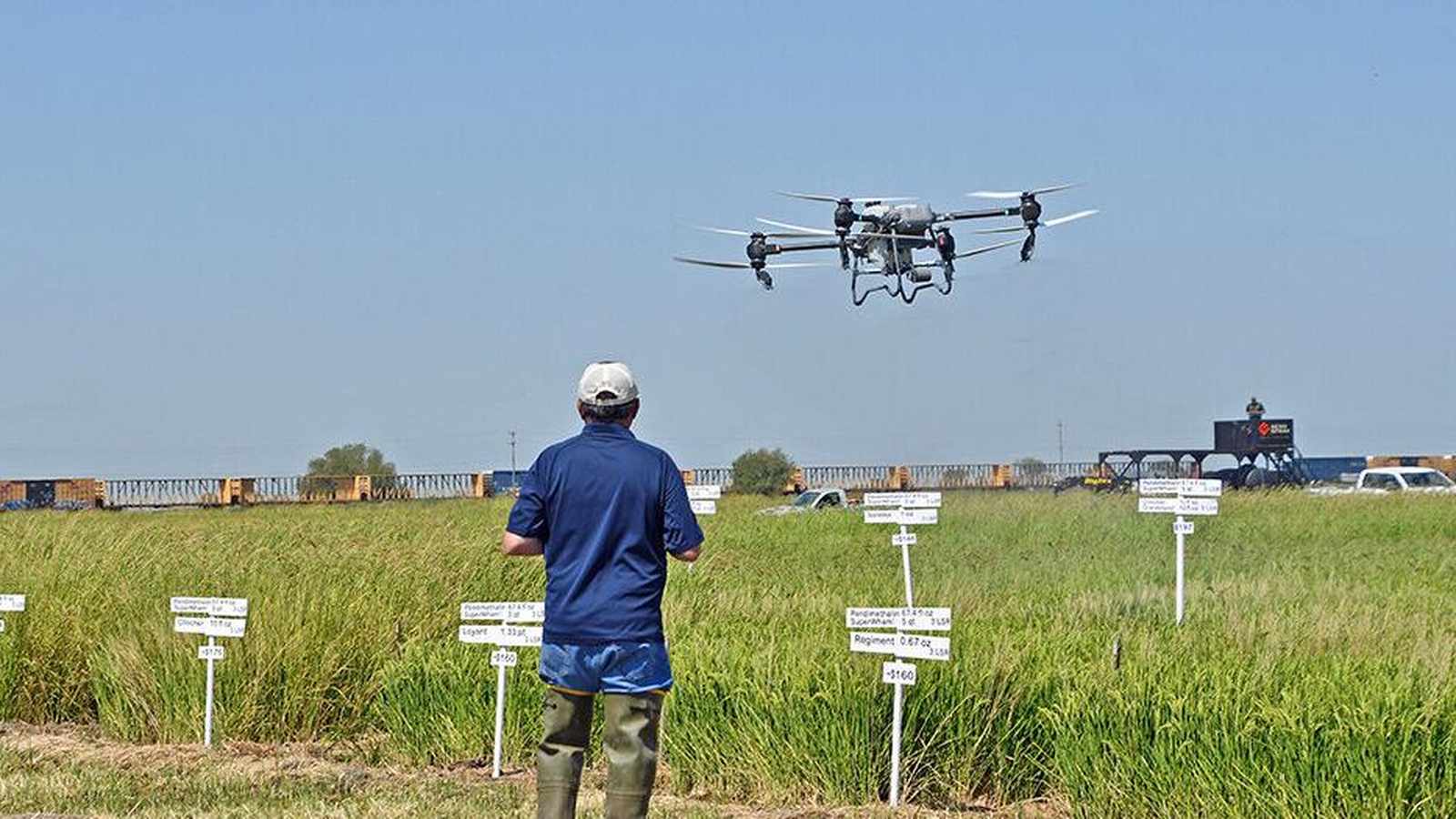
The role of the pilot is undergoing a profound diversification. In the agricultural sector, the traditional manned aircraft is increasingly augmented by unmanned aerial vehicles (UAVs). As reported by industry operators, drone technology is not replacing manned sprayers but providing a complementary solution for precision farming. Specialty crop producers, particularly those dealing with vegetable fields and steep hillside vineyards, have found that drones allow for treatment where heavy machinery cannot tread, reducing soil compaction and increasing operational efficiency.
Regulatory compliance remains the bedrock of this transition. Operators like Ag-Bee LLC and UAV Ag Solutions emphasize that drone pilots must adhere to stringent Federal Aviation Administration (FAA) and state-level requirements, including Part 137 certification and pest control licensure. The efficiency gains are substantial; a single drone can cover 40 to 45 acres per hour, significantly outperforming traditional equipment in specific target areas, while maintaining strict adherence to product labels.
Privacy and the AI Frontier
While technology expands the pilot’s reach, it also creates new vulnerabilities in the digital sphere. The National Transportation Safety Board (NTSB) has recently moved to restrict access to investigation dockets following the unethical use of AI to recreate cockpit voice recordings. By utilizing audio spectrograms—visual representations of sound frequencies—individuals have synthesized the final moments of deceased pilots, a practice that violates the spirit of federal privacy laws designed to protect the sensitive nature of cockpit communications.
This development underscores a critical tension between transparency in public records and the right to privacy for flight crews. The NTSB’s decision to pause access to these documents marks a significant shift in how investigative agencies manage data in the age of generative AI, highlighting that the digital footprint of a flight investigation requires a new framework of protection.
Honoring the Legacy
Amidst these technological advancements, the fundamental risks of aviation remain a stark reality. Recent tragedies, such as the fatal crash of a Piper PA-25 in Saratoga County, New York, serve as a reminder of the physical stakes involved in flight. Simultaneously, the repatriation of Lieutenant Junior Grade Thomas Arthur Ruth, a WWII pilot lost for 83 years, reminds us of the enduring legacy of those who operated aircraft in the service of their nation. His burial with full military honors in Jackson reflects the solemnity with which society views the pilot’s sacrifice.
The evolution of the pilot profession—from the hands-on operation of vintage naval aircraft to the remote precision of agricultural drones and the management of complex digital data—illustrates a broader shift in human engagement with technology. As we integrate AI and autonomous systems into the cockpit and the field, the necessity for robust ethical standards and regulatory oversight has never been greater. Balancing the drive for innovation with the preservation of human dignity and privacy is the central challenge for the next generation of aviation professionals.