


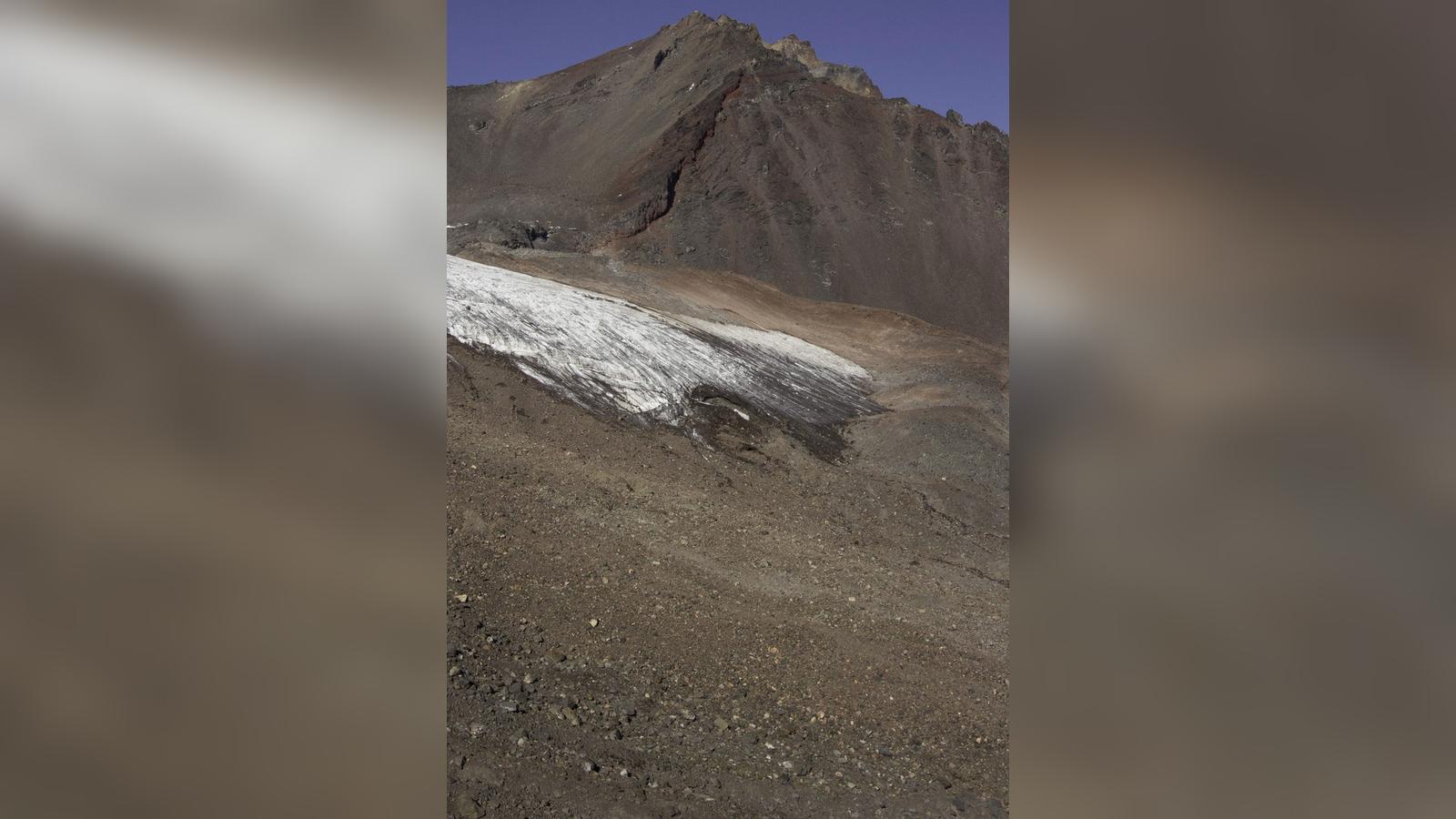
Comprehensive Inventory Tracks Decades of Western Ice Loss
A comprehensive new scientific review published in the Guardian details how rising temperatures driven by fossil fuel combustion have caused nearly 300 glaciers to vanish across the American West since the mid-20th century. Researchers found that at the midpoint of the last century, more than 1,450 glaciers spanned the mountainous regions of the lower 48 states, acting as crucial perennial reservoirs that provided cool meltwater for regional ecosystems and agricultural operations.
Led by Andrew Fountain, a geographer and glaciologist at Portland State University alongside colleagues including Bryce Glenn, Christopher McNeil, and Brian Menounos, the research team utilized satellite data and aerial photography to map historical and contemporary ice coverage across six western states. The findings reveal that the total area of glacial ice in the region has diminished by approximately a third, with functional disappearance defined as ice masses shrinking to the size of about two football fields and losing forward movement.
Accelerating Melt and Regional Vulnerabilities
The study highlights that smaller, south-facing glaciers situated at lower elevations—particularly those below 9,000 feet in the Sierra Nevada and under 6,000 feet in the Cascade Range—experienced the most severe rates of shrinkage. While historical USGS topographical surveys mapped 1,453 glaciers covering more than 210 square miles, contemporary inventories show substantial fragmentation and loss, leaving remaining ice masses increasingly vulnerable to shifting precipitation patterns.
Fountain noted that winter precipitation increasingly falls as rain rather than snow, depriving the glaciers of necessary seasonal nourishment while summer heat intensifies their melt. This compounding pressure leaves little prospect for recovery under current climatic trajectories, with scientists warning that many surviving glaciers are unlikely to persist past the end of the 21st century outside of the highest elevations atop peaks such as Mount Hood and Mount Rainier.
Broader Ecological and Infrastructure Risks
Beyond the aesthetic and regional impacts on alpine environments, the disappearance of these perennial ice features signals a shrinking snowpack that directly supplies drinking water and supports hydroelectric generation across the western United States. Researchers emphasize that these localized changes mirror global patterns of glacial retreat observed in Europe and the Himalayas, where intensified heating threatens downstream water security and wildlife habitats.
Furthermore, scientists warn that destabilizing terrain left in the wake of retreating ice introduces new geohazards, echoing catastrophic bedrock and glacier collapses documented internationally. While halting or reversing the loss of these alpine formations would require centuries of sustained emissions reductions, researchers maintain that mitigating global heating remains critical to stabilizing high-altitude regions and preventing further environmental degradation.