


A Nightmarish Summer Across Southern California
Los Angeles has long been recognized for its coastal climate and outdoor culture, but the region has increasingly grappled with an invasive pest problem. According to reporting by the Guardian, 2026 has brought an especially severe mosquito season. A combination of persistent heatwaves, an extra-powerful El Niño, an exceptionally mild winter, and humid summer conditions have fueled an aggressive proliferation of insects. Local residents have described outdoor conditions as a “living hell,” with swarms making backyards and patios unusable.
The convergence of climate factors has elevated mosquito and disease activity across the region. Los Angeles County has documented more than 180 cases of West Nile virus this year, marking the highest number recorded in nearly a decade, according to the county public health department cited by the Guardian.
Climate Factors and the Rise of Invasive Species
Environmental conditions played a critical role in accelerating vector activity. Anais Medina Diaz, communications director for the San Gabriel Mosquito and Vector Control District, noted that mosquito activity typically drops when temperatures approach 50°F (10°C) overnight. However, an exceptionally mild winter featuring heatwaves in February and March allowed populations to remain active much longer than usual.
Southern California’s indigenous mosquito species, the Culex quinquefasciatus or “quinx,” primarily target birds and serve as the main vector for transmitting West Nile virus to humans. Brian Brannon, public information officer for the Orange County Mosquito and Vector Control District, reported that roughly 850 monitoring traps across the area have tested positive for the virus, indicating a very busy season.
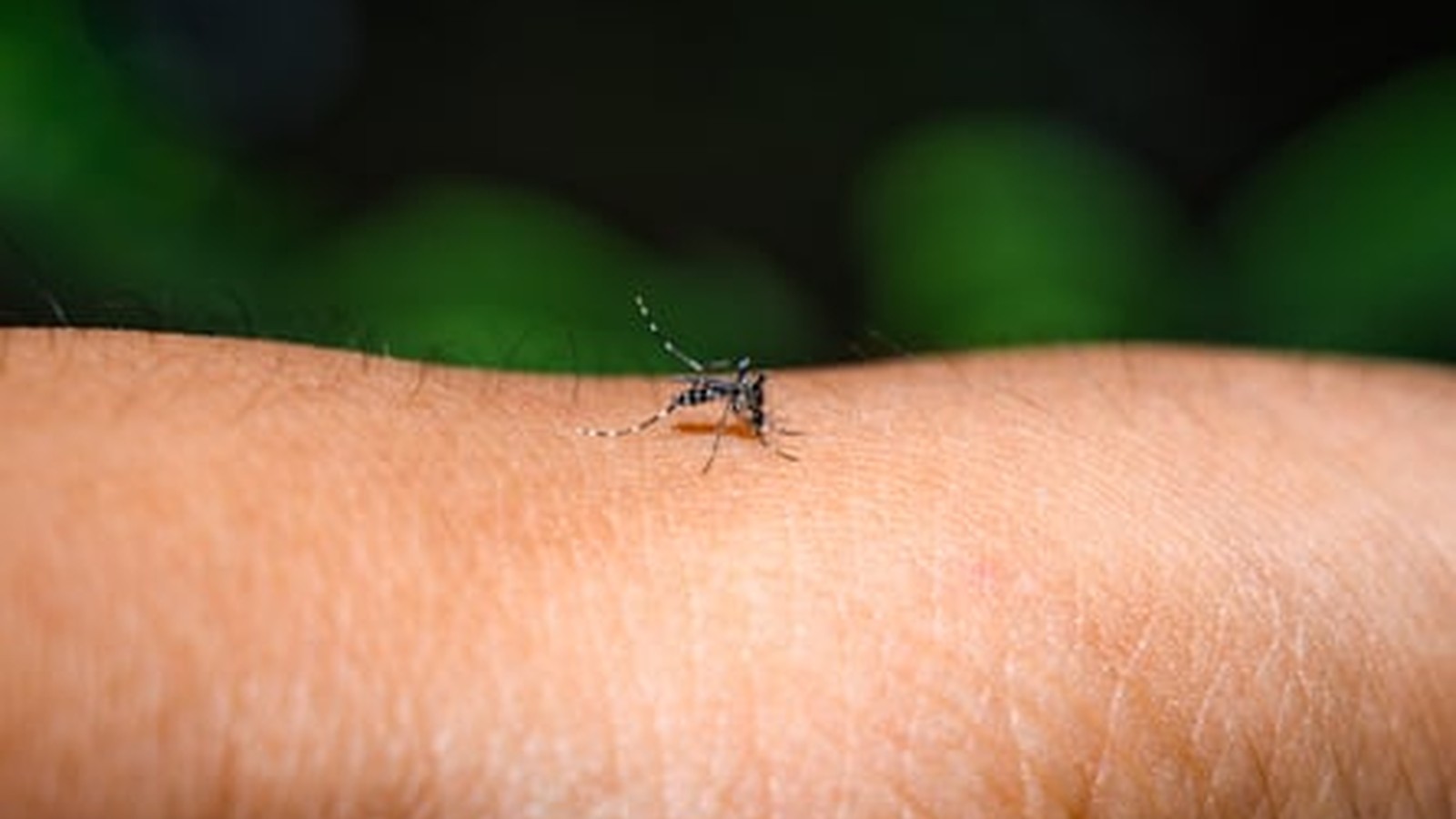
Simultaneously, invasive Aedes mosquitoes—locally known as “ankle biters”—have continued to thrive since first appearing in the region in 2014. Unlike quinx mosquitoes, Aedes species aggressively target humans and can reproduce in pools of water as small as a single tablespoon. While Aedes mosquitoes do not transmit West Nile virus, public health officials have expressed concern over their potential to spread other pathogens, including dengue, chikungunya, and Zika, particularly when brought in by travelers.
Mitigation Strategies and Public Resistance
Vector control agencies have deployed multiple strategies to suppress the populations, ranging from public outreach to advanced biological interventions. Angela Caranci, a scientific-technical manager with the Greater Los Angeles County Vector Control District, pointed out that eliminating stagnant water in residential areas remains one of the most effective and least expensive countermeasures. However, she noted that suspicion from property owners frequently hinders inspection efforts, with residents occasionally mistaking vector control workers for commercial pest control salespeople.
For severe infestations, districts utilize adulticides sprayed at dilute concentrations to knock down adult mosquitoes carrying West Nile virus. Additionally, experimental programs involving the release of X-ray sterilized male mosquitoes have successfully reduced targeted Aedes populations by more than 80% at specific trial sites. Despite these promising results, expanding such programs remains constrained by high costs and a reluctance among local property owners and businesses to approve tax increases dedicated to mosquito abatement.