


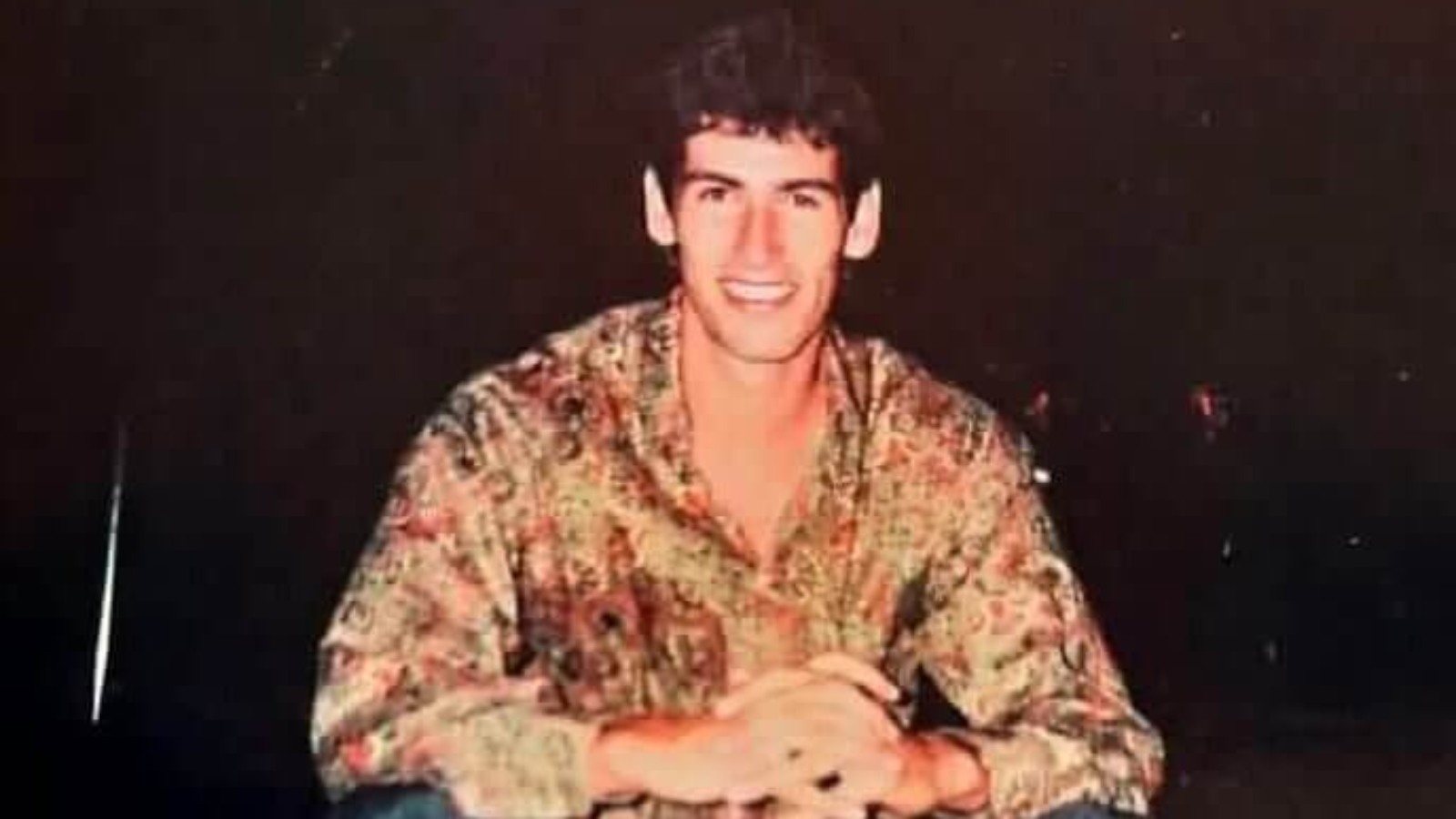
A Life Cut Short
On July 2, 1994, the world of football was left reeling by the news that Colombian national team defender Andrés Escobar had been murdered in his hometown of Medellín. Thirty-two years later, the tragedy remains a defining, albeit somber, moment in sports history. In a recent interview with The Athletic, Santiago Escobar, Andrés’ older brother, broke his long public silence to reflect on the man behind the headlines, aiming to shift the focus from the circumstances of his death to the integrity of his life.
Andrés Escobar was only 27 at the time of his death. A highly respected professional, he was widely tipped to move to Italian giants AC Milan as the successor to the legendary Franco Baresi. However, the 1994 World Cup in the United States proved to be a turning point. Following an own goal against the U.S. that contributed to Colombia’s group-stage exit, the pressure—compounded by the systemic violence then gripping Colombia—proved fatal.
The Night of the Tragedy
Santiago Escobar was in Las Vegas with his family when he received the 2 a.m. phone call that changed their lives forever. Despite warnings from family to stay away from Medellín after the tournament, Andrés had returned home to face the situation head-on. On the night of July 2, while at a nightclub, he was confronted by men who mocked him for his performance on the pitch. As he attempted to drive away, he was shot six times by a bodyguard for the Gallón brothers, known drug traffickers.
While the perpetrator, Humberto Muñoz Castro, was sentenced to 43 years in prison, he served only 11. The Gallón brothers served 15 months as accessories. For Santiago, the legal outcome has provided little solace. “No death is going to bring Andrés back,” he noted.
Defining a Legacy
Beyond the tragedy, the Escobar family emphasizes Andrés’ commitment to the sport and his role as a mentor. Santiago recalls his brother as a “student of the game” who transformed from a shy teenager into a professional who lived with discipline and purpose. His legacy survives today in Medellín through the Unidad Deportiva de Belén Andrés Escobar, a sports center where local children train on pitches overlooked by his statue.
The institutional stakes of his memory remain high. The Escobar family, alongside the local community, continues to work to ensure he is remembered as an “impeccable human being” rather than a victim of a single moment of defeat. As Santiago continues to cope with his own health challenges, he finds strength in the fact that his brother’s values—professionalism, humility, and dedication—remain alive in the hearts of those who continue to honor his memory.