


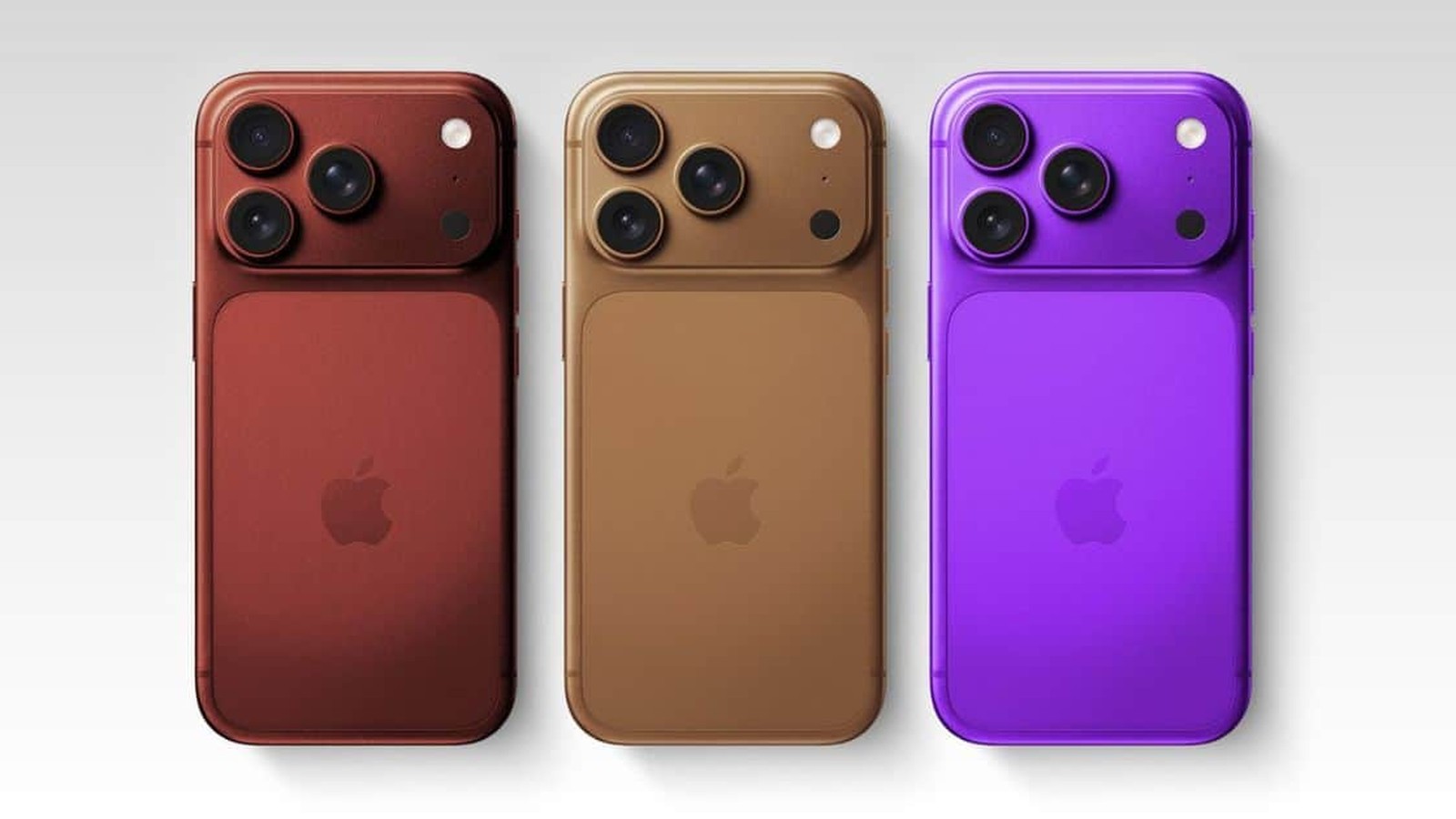
Anticipated Hardware and Design Shifts
Apple is expected to unveil its latest flagship smartphone lineup, the iPhone 18 series, in September 2026. According to industry reports, the company is preparing to integrate more powerful hardware across its standard and Pro models, including the transition to A20 and A20 Pro chips. A significant change for the base model is the standardization of 12GB of RAM, bringing it in line with the Pro variants.
Design-wise, while the overall aesthetic remains consistent, leakers suggest Apple is pushing for higher display brightness. The Pro models are rumored to feature a unified back glass design, moving away from the two-tone look of the previous generation. Additionally, the iPhone 18 Pro is expected to introduce variable aperture camera technology, a move Bloomberg’s Mark Gurman describes as one of the most significant camera hardware upgrades in the lineup’s history.
Satellite Connectivity and Component Costs
The iPhone 18 Pro is also poised to receive a major connectivity boost via Apple’s new C2 modem. Reports indicate this hardware will support 5G satellite connectivity through the NR-NTN standard, potentially allowing the device to switch seamlessly between cellular and satellite networks. This evolution moves satellite usage beyond emergency-only functions toward broader data applications.
However, these advancements come at a financial cost. Industry analysts and reports from the Wall Street Journal suggest that price increases for the iPhone 18 series are unavoidable. The rising cost of memory components—often referred to as “RAMageddon”—has prompted internal warnings that the iPhone 18 Pro could see a price hike of approximately $200 compared to its predecessor, with some estimates placing the device at $1,299.
The AI Integration
The iPhone 18 series will launch with iOS 27, further cementing the role of Apple Intelligence. Following previous legal and development hurdles, the company is focusing on a more functional, productivity-oriented version of Siri. Apple leadership has clarified that the AI integration is designed to assist with tasks and information retrieval rather than conversational companionship, marking a clear strategic direction for the brand’s software ecosystem.