


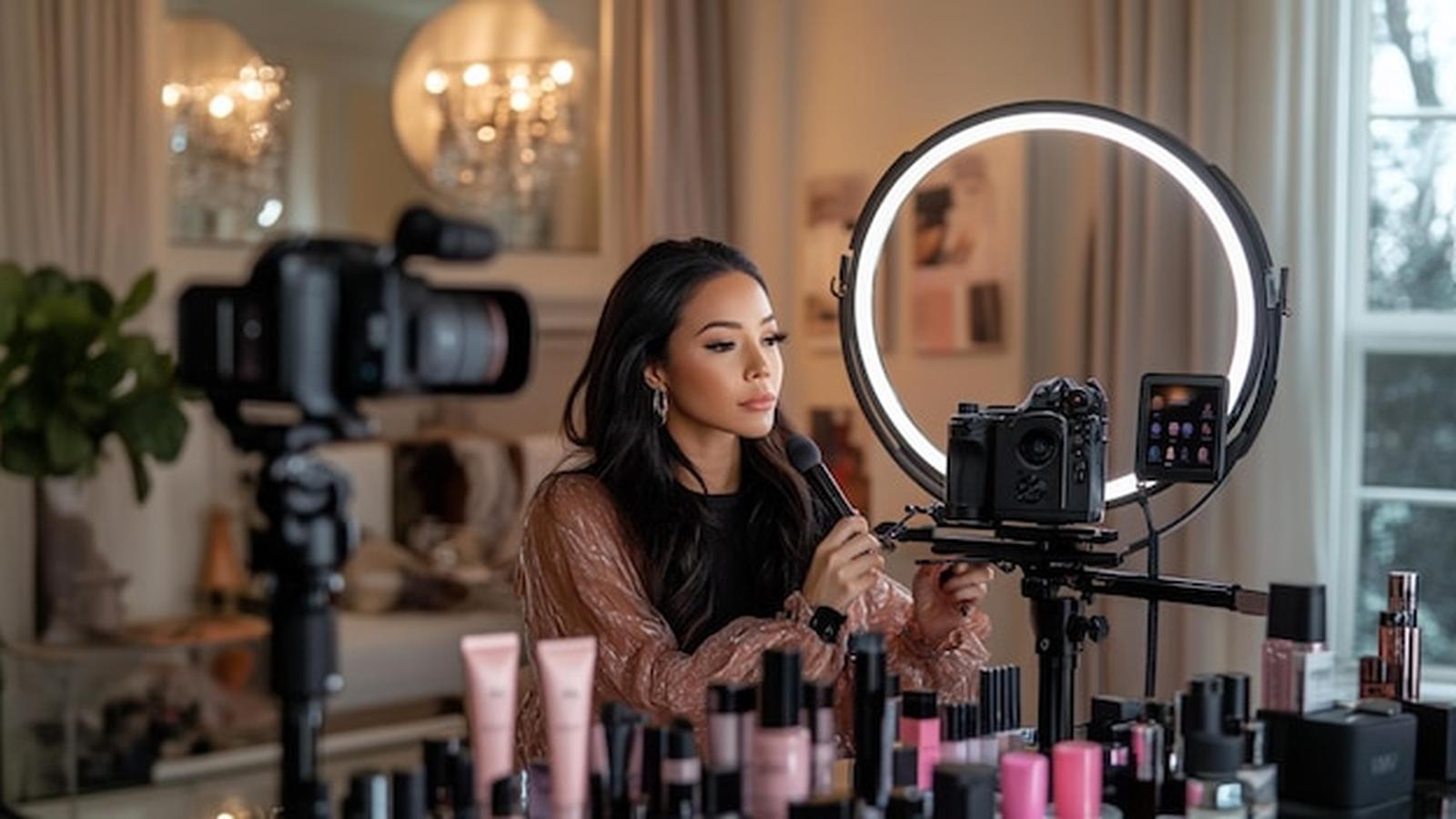
The Escalating Scale of Creator-Led Distribution
The global digital advertising landscape is undergoing a profound structural shift. In the Philippines, the digital advertising market is projected to skyrocket from USD 2.1 billion in 2025 to USD 5.4 billion by 2034, with influencer marketing acting as a primary engine of this growth. As brands shift budgets away from traditional media, the influencer ecosystem has evolved from a secondary channel into a core distribution strategy. Major corporations, such as Hindustan Unilever, are now building massive creator networks involving up to 30,000 influencers, effectively turning social media personalities into a functional retail distribution network.
The Authenticity Crisis
Despite this massive capital influx, the industry faces a growing paradox: as brands spend more on influencers, consumer trust in those same influencers is demonstrably weakening. Modern consumers have become highly adept at identifying paid promotions, often labeling them as “performative authenticity.” Industry analysts note that when brands over-control the narrative—scripting every word to ensure brand safety—they inadvertently destroy the very “natural” appeal that made the creator valuable in the first place.
Specialized Frontiers: Web3 and Beyond
The influencer model is also bifurcating. While mass-market brands chase scale, specialized agencies like Chainbull are emerging to cater to the Web3, crypto, and blockchain sectors. These agencies argue that decentralized projects require more than just vanity metrics; they demand “trusted voices” and community management across platforms like Discord and Telegram. This reflects a shift toward “influencer architecture,” where brands balance AI-driven targeting with human-led community engagement to maintain relevance in a fragmented digital economy.
The Performance vs. Credibility Dilemma
CMOs are increasingly driven by the fear of invisibility. As Angad Saimbi, Associate Director at Yellow Seed, observes, “CMOs are more scared of being invisible than being inefficient.” This fear sustains the industry even when ROI is difficult to quantify. The transition toward credibility-led marketing remains largely superficial, as procurement processes in many firms have not yet caught up with the need for organic-feeling content. Consequently, the industry is moving toward a hybrid model: blending long-term partnerships, AI tools for predictive targeting, and granular e-commerce integration.
Ultimately, the future of the influencer economy lies in the abandonment of the “vendor” mindset. Brands that succeed in the coming decade will be those that treat creators as editorial partners rather than mere billboards. As the digital space becomes saturated with AI-generated content and over-commercialized messaging, the ability to maintain genuine human relatability will become the most valuable currency in marketing, forcing a permanent shift from transactional advertising to integrated, long-term brand storytelling.