


Culinary Preservation in Singapore
In Singapore’s Dempsey area, Samy’s Curry—a restaurant operating since 1963—continues to serve as a bastion of South Indian-influenced Singaporean cuisine. The restaurant is renowned for its sapadu, a traditional banana leaf meal, and its signature fish head curry. According to culinary reporting from Bon Appétit, the dish is a unique cultural hybrid: invented by Indian chefs in Singapore to cater to Chinese consumers, it has since become a national staple.
The preparation process highlights the intersection of tradition and industrial scale. The kitchen utilizes a large-scale mortar and pestle to grind fresh aromatics, including dried chilies, onions, and tomatoes, ensuring a texture finer than modern food processors can achieve. The fish head, typically angoli (white snapper or sea bream), is braised in a clay pot, a technique that allows for a distinctive caramelization and smokiness as the curry reduces over high heat.
The Late-Night Noodle Scene in Cupertino
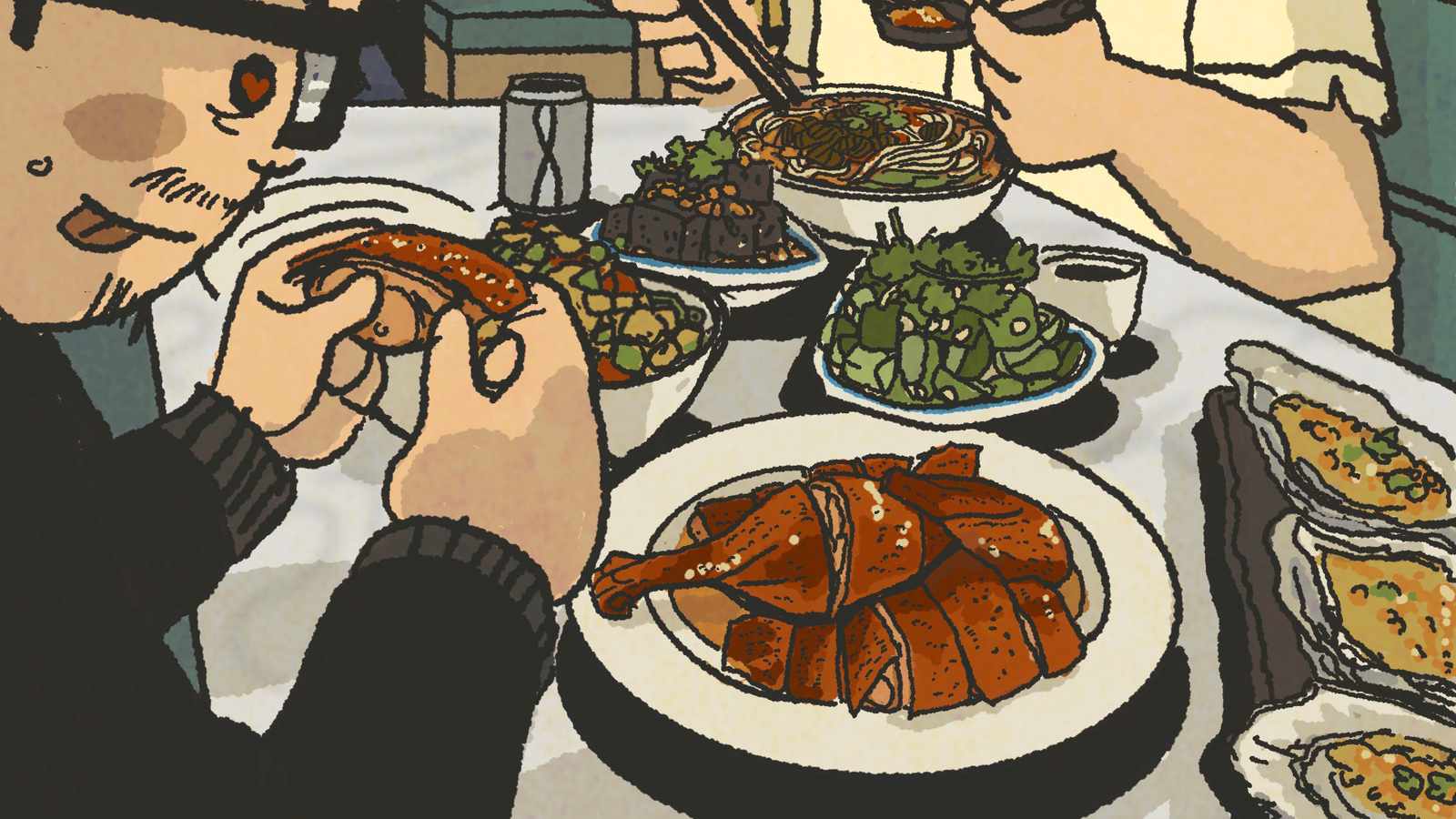
Half a world away, in the Cupertino Village shopping plaza of California, the culinary landscape reflects a different kind of evolution. Changsha Rice Noodles, which operates under the name “Jade Tea BBQ,” has become a hub for the local Asian American community. As noted by KQED, the restaurant bridges the gap between Hunan-style rice noodles and high-quality Cantonese barbecue.
The establishment has gained a reputation for its late-night service and specialized menu, featuring roast duck with skin air-dried to maximize crispiness. The beef noodle soup, topped with mustard greens and raw garlic, serves as a testament to the enduring appeal of regional Chinese comfort food in the United States. Despite the modern, digitized ordering process, the restaurant maintains a focus on traditional flavor profiles that draw long lines of patrons well into the evening hours.