


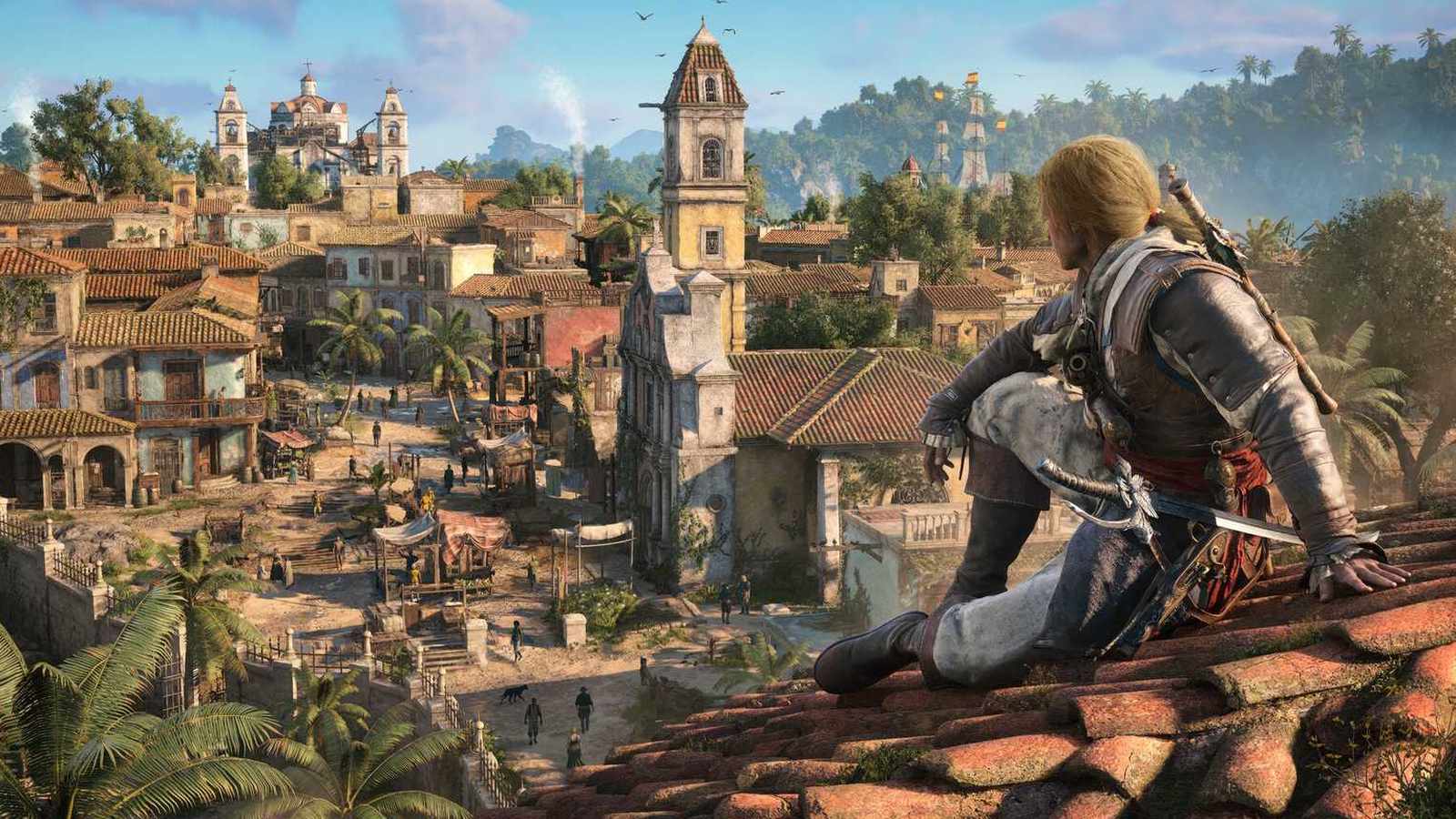
A Modern Facelift for a Fan-Favorite
Ubisoft Singapore’s Assassin’s Creed Black Flag: Resynced, which launched on July 9, 2026, marks the return of what many consider the franchise’s most iconic entry. First released in 2013, the original Black Flag defined a generation of open-world adventure. Thirteen years later, the remake aims to reconcile the beloved swashbuckling narrative of Edward Kenway with the technical standards and design philosophies of the modern Assassin’s Creed era.
The visual overhaul is immediate. Utilizing Ubisoft’s Anvil engine, the game introduces ray tracing, high-fidelity textures, and sophisticated physics that bring the Caribbean to life with a vibrancy absent in the original. As noted in reviews published on July 8, 2026, the density of foliage, improved lighting, and fluid 60 fps performance on PC represent a significant technical upgrade.
Mechanical Shifts and Design Debates
The core gameplay has been systematically updated to align with contemporary expectations. The inclusion of a dedicated crouch button and a refined stealth system significantly alters the player’s approach to infiltration. However, this has created a noticeable conflict with the game’s legacy mechanics. Critics have pointed out that while the new stealth tools are welcome, they occasionally undermine the original ‘social stealth’ elements—blending into crowds or hiring distractions—that once defined the series.
Combat has also been overhauled. The introduction of posture bars and modern parry/dodge indicators provides a more responsive, tactical experience. Yet, some reviewers argue that the cinematic flair of the original’s combat—which relied on elaborate, automated finishing moves—has been traded for a more functional, albeit sterile, system.
The ‘Wrong Game’ Dilemma
The reception of Resynced has been polarized, highlighting a divide between those seeking nostalgia and those expecting a complete reimagining. While the naval combat, bolstered by new officer abilities and dynamic weather effects, remains the highlight of the experience, the narrative structure has faced scrutiny. Some critics argue that the game feels ‘quaint’ compared to the more expansive, RPG-driven titles like Valhalla or the character-focused Mirage.
Furthermore, the decision to remove the ‘present-day’ Abstergo office interludes in favor of a meta-progression ‘Animus Hub’ has been met with skepticism. While the addition of endgame content and extra cutscenes provides more depth for Edward Kenway’s journey, critics like those at Polygon have questioned why certain elements, such as missions from the Freedom Cry DLC, were omitted, leading to debate over the remake’s overall scope and focus.