


A New Regulatory Framework for AI
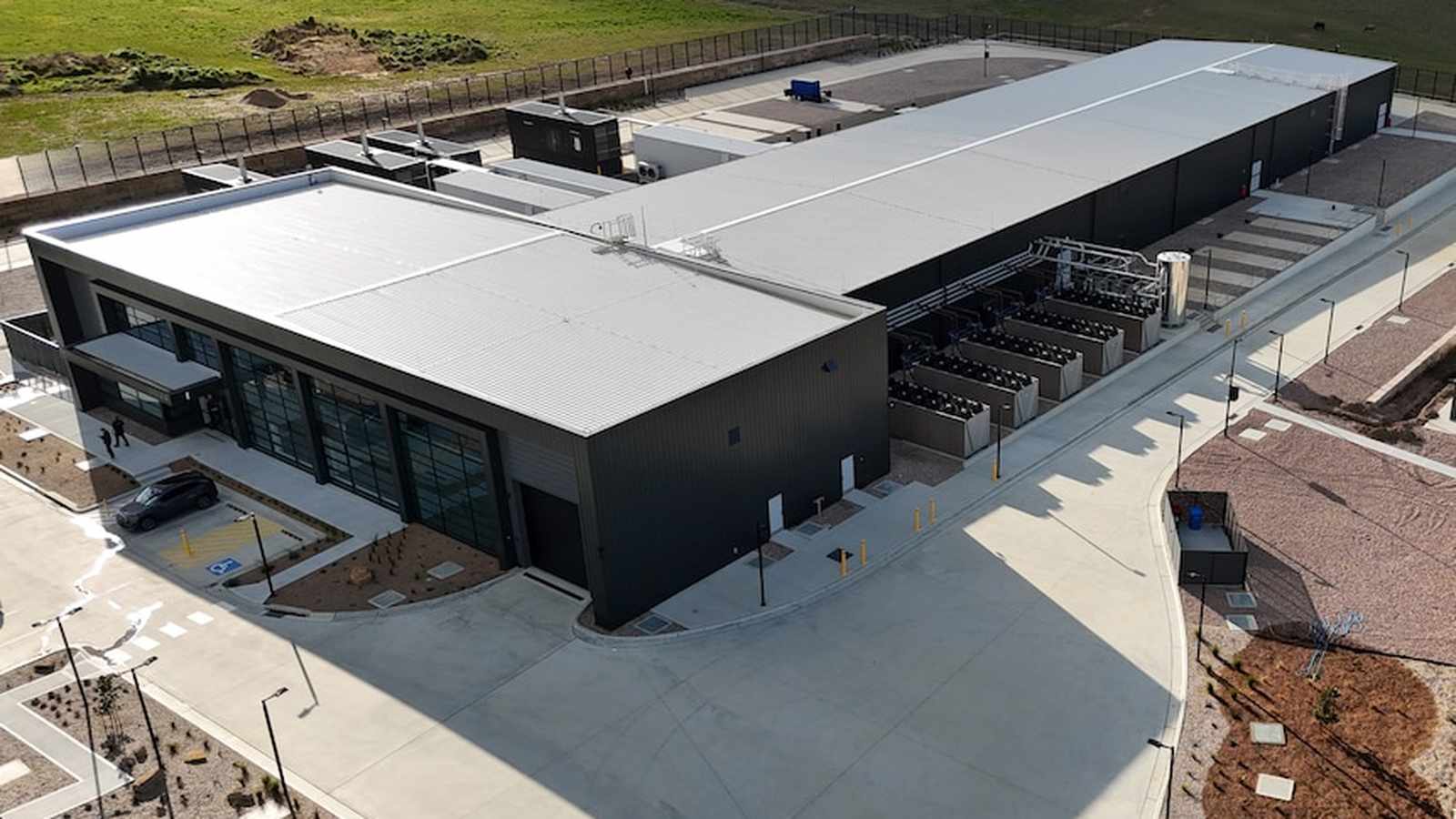
Australian Prime Minister Anthony Albanese has unveiled a significant national strategy aimed at governing the rapid expansion of artificial intelligence, focusing on infrastructure oversight and the protection of intellectual property. In a major address at the University of Sydney, the Prime Minister announced that the government will implement mandatory national standards for AI data centres, specifically targeting electricity and water consumption.
The policy shift marks a move away from the current fragmented regulatory landscape. Albanese intends to seek agreement from state and territory leaders at the upcoming national cabinet meeting, with legislation expected to reach Parliament early next year. These standards will require future large-scale data centres to underwrite new electricity generation and bear the full costs of grid connection, ensuring that household energy costs remain unaffected by the surge in AI-driven power demand.
Protecting the Creative Sector
Beyond infrastructure, the government has taken a firm stance on the intersection of AI training and intellectual property. Albanese declared that Australian writers, musicians, artists, and journalists must retain ownership and control over their work. He explicitly stated that no company should use Australian creative content to build or train AI models without the explicit consent of the rights holder, emphasizing that creators must dictate the price and value of their work.
“Anything less is theft,” the Prime Minister stated, a sentiment echoed by industry bodies such as ARIA and APRA AMCOS. The government’s position challenges the proposals of AI giants like Anthropic, which have historically advocated for alternative compensation models, such as shared creative funds.
Strategic Sovereignty and Future Outlook
The establishment of a new Office of AI within the Department of Prime Minister and Cabinet is designed to coordinate efforts across education, defense, and climate portfolios. Albanese emphasized that Australia must transition from merely hosting foreign-built infrastructure to developing sovereign capability. While industry groups like the Australian Chamber of Commerce and Industry have expressed caution regarding the potential impact on foreign investment, the government remains confident that clear, consistent standards will ultimately provide the regulatory certainty required for sustainable growth.