

Quick Read
- Avelo Airlines signed a multi-year agreement to be McKinney National Airport’s first commercial carrier.
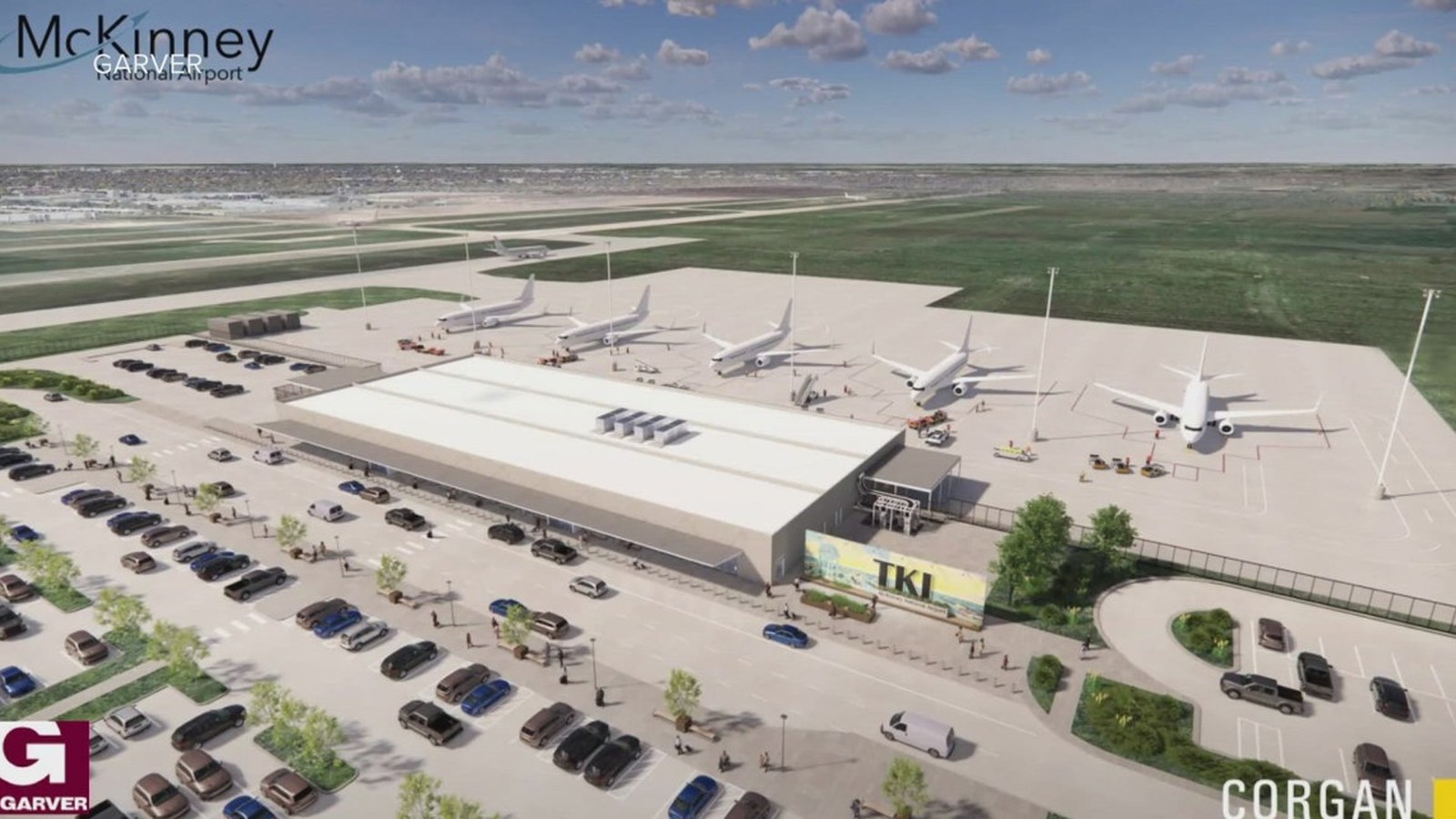
- The new terminal is set to open in late 2026, with up to three daily Boeing 737 flights initially.
- Avelo’s partnership is expected to create over 100 local jobs and boost the regional economy.
- Environmental concerns and lawsuits remain part of the debate around the airport’s expansion.
- Flight routes and schedules will be announced closer to the terminal’s completion.
McKinney National Airport Welcomes Avelo Airlines as First Commercial Carrier
This December, a long-anticipated chapter opened for North Texas aviation: McKinney National Airport (TKI) signed its first commercial airline partner, Avelo Airlines, finalizing a multi-year agreement that will see Avelo serve as the launch carrier when the airport’s new passenger terminal opens in late 2026 (TS2.tech, Travel and Tour World, Dallas News).
The deal isn’t just a contract—it’s a signal that McKinney is betting big on becoming a regional air travel hub, banking on convenience, affordability, and the area’s explosive growth. Local leaders, including Mayor Bill Cox, have called this a milestone for McKinney and Collin County, promising direct, non-stop service for residents who until now have had to trek to Dallas-Fort Worth International (DFW) or Love Field for most commercial flights.
What the Agreement Means for Travelers and the Region
The five-year operating agreement (with an option to extend) outlines how Avelo will use airport facilities: access to runways and taxiways, aircraft parking and maintenance, check-in counters, boarding gates, and exclusive office space. Beyond the technical details, the partnership is set to create “well over 100 jobs” in North Texas, according to Avelo CEO Andrew Levy (Dallas News, WFAA).
Projected impact reaches beyond the airport grounds. City documents suggest the terminal could generate 360 jobs and more than $10 million in tax revenue its first year. Initial plans call for up to three daily flights on Boeing 737s (each seating at least 149 passengers), with the terminal designed to serve 200,000 passengers annually—scalable to over 1 million as additional gates are added (TS2.tech).
For local travelers, the pitch is clear: smaller airport, less congestion, faster check-in, and lower fares. Avelo’s business model—low-cost, efficient operations—fits neatly into McKinney’s vision for a compact, modern facility. The terminal itself will open with four gates and expand to six as demand grows, featuring food, beverage concessions, rental car facilities, and a large parking lot expandable from 980 to 1,450 spaces.
Why Now? Growth, Congestion, and Changing Air Travel Habits
McKinney National Airport has long served general aviation, but surging population and chronic congestion at DFW and Love Field have convinced city leaders the time is ripe for a third commercial option in the Dallas-Fort Worth metroplex. Regional forecasts predict North Central Texas could swell from 8.6 million residents in 2025 to 12.3 million by 2050, with Collin County alone expected to grow by 70% (Community Impact).
For many, the new terminal is a pragmatic response to a changing region—a way to capture business and leisure travelers who otherwise face long drives and crowded terminals. The partnership with Avelo also signals to other airlines that McKinney is open for business and poised to be a competitive player in Texas air travel.
Economic Development: Funding, Jobs, and Long-Term Prospects
The commercial terminal project is estimated at $79 million, funded through local sales tax revenue bonds, a $14.8 million Texas Department of Transportation (TxDOT) grant, tax increment funds, and airport-related revenues (Dallas News). Additional support facilities have benefited from city and state funding, with McKinney still pursuing federal assistance.
Economic benefits are expected to ripple outward—new jobs in airport operations, maintenance, customer service, and administration, plus increased tourism and local spending. As the airport grows, city officials anticipate more carriers joining, further diversifying flight options and enhancing regional connectivity (Travel and Tour World).
The Debate: Environmental Lawsuits and Local Concerns
Progress hasn’t come without friction. The North Texas Conservation Association has filed legal challenges against the airport’s expansion, citing incomplete environmental reviews, noise, and air quality concerns (WFAA). In 2023, McKinney voters rejected a $200 million bond measure for airport expansion, forcing the city to pivot to alternative funding sources. Residents near the airport continue to voice worries about quality-of-life impacts, from increased noise to neighborhood safety.
Despite these challenges, city officials remain committed, stating they will “vigorously defend” the environmental assessment and pursue the project’s completion. For now, the Avelo agreement answers a fundamental question: Will commercial service actually happen at TKI? The answer, it seems, is yes—though larger debates about growth and sustainability persist.
Who Is Avelo Airlines? A Low-Cost Model Ready to Expand
Avelo Airlines, launched in 2021 after CEO Andrew Levy acquired and rebranded XTRA Airways, operates a fleet of 22 Boeing 737 Next Generation aircraft (Murphy Monitor). Already serving Texas with routes from DFW and Houston Hobby to New Haven (Connecticut) and destinations in 15 states, Mexico, Jamaica, and the Dominican Republic, Avelo specializes in connecting underserved markets with affordable, nonstop flights.
For North Texas, Avelo’s presence at McKinney National Airport offers a blueprint for how smaller airports can compete: lean operations, less congestion, and a customer-friendly experience. Levy has positioned the airline as a proud Texas company, excited to “plant our flag at TKI, just a few hours north of our home in Houston.”
What Happens Next: Construction, Routes, and the Countdown to First Flights
With the agreement signed, attention now shifts to construction milestones and operational readiness. The city says travelers should expect route announcements and schedules a few months before the terminal’s debut, likely around November 2026. Ticket sales and staffing will ramp up as opening approaches, with both airport and airline hiring underway.
McKinney National Airport, through this partnership, sets itself up as a model for smaller cities seeking to capitalize on regional growth and shifting travel patterns. Whether this gamble pays off in the long run will depend on how well the airport manages expansion, environmental challenges, and the evolving needs of North Texas travelers.
As of December 2025, McKinney’s partnership with Avelo Airlines is a bold move reflecting both the promise and complexity of regional aviation growth. The facts show a community investing in access, jobs, and new choices, but the ultimate test will be how well this new hub balances rapid development with quality-of-life and sustainability concerns for the region.