


The Mechanics of Modern Anticipation
On June 2, 2026, the intersection of Holywell Lane in London became the focal point of the Marvel Cinematic Universe fandom. Following cryptic social media teases from directors Joe and Anthony Russo, thousands of fans anticipated the long-awaited online release of the Avengers: Doomsday trailer. Instead, the directors unveiled a Doctor Doom-themed pop-up coffee shop, offering branded merchandise and coffee, rather than the cinematic footage that had been premiered exclusively at CinemaCon in April.
This incident serves as a critical case study in the evolving landscape of ‘hype-baiting’—a marketing strategy where studios leverage the intensity of online speculation to drive engagement. By utilizing the #DomLatveria hashtag and timing the event to coincide with their appearance at SXSW London, the Russo Brothers effectively manufactured a digital frenzy. However, the conversion of that frenzy into a low-stakes consumer product created a measurable backlash, with fans on platforms like Reddit and X (formerly Twitter) characterizing the move as ‘negative marketing.’
The Shift in Studio Communication
Historically, studio marketing relied on controlled, top-down dissemination of information. In the current era, the relationship between intellectual property holders and fans is interactive, often bordering on symbiotic. When directors engage directly with fans via personal social media accounts, they blur the lines between professional promotion and personal interaction. The Russo Brothers’ decision to frame a commercial activation as a ‘surprise’ event suggests a miscalculation of the current mood within the MCU fanbase, which is already sensitive to shifting quality standards and narrative fatigue.
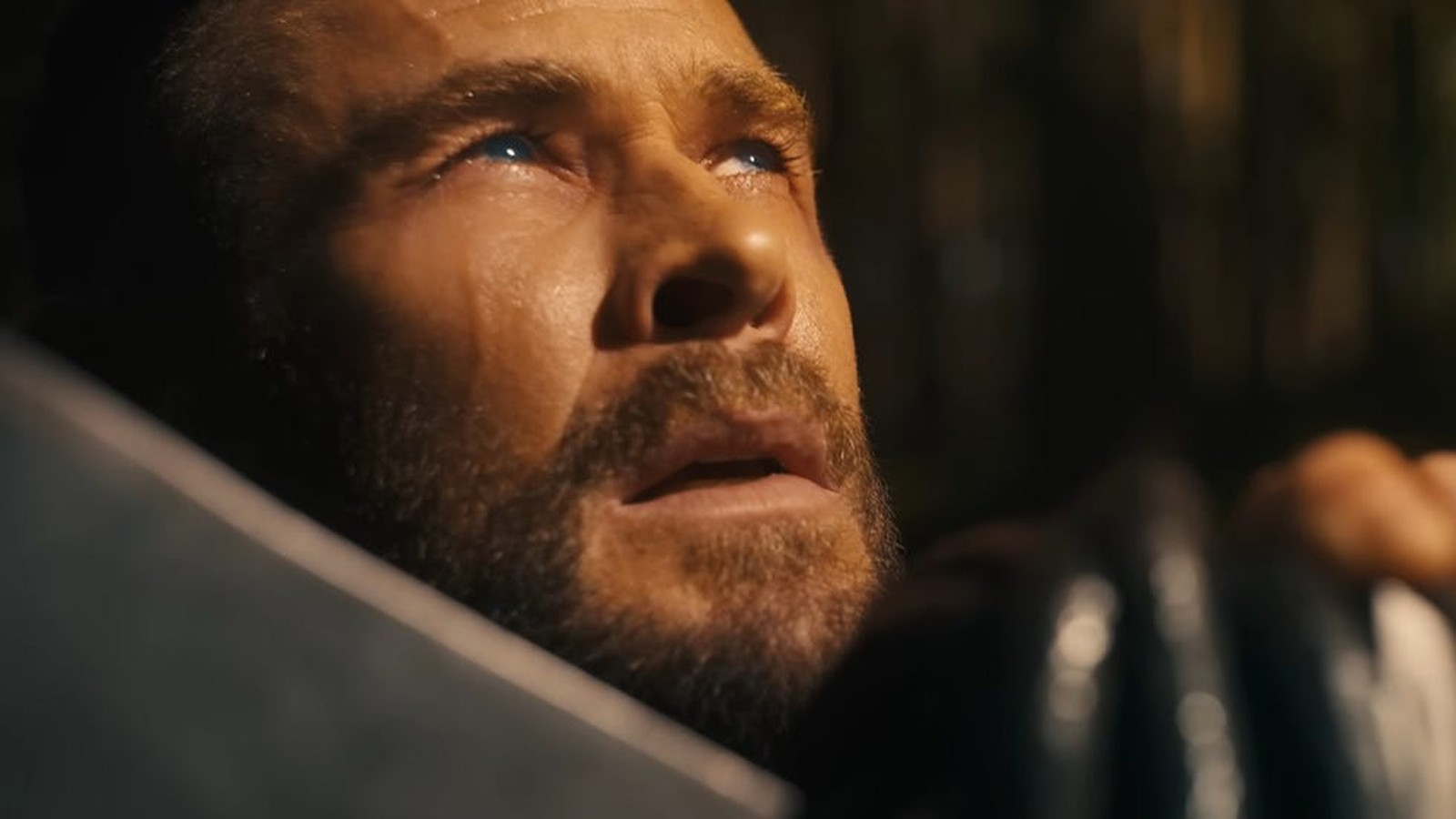
As noted in industry reports, the trailer shown at CinemaCon—which allegedly features Robert Downey Jr. as Victor Von Doom and teases a crossover involving the Fantastic Four and the X-Men—remains highly sought after. By teasing a revelation that fails to materialize, studios risk eroding the ‘trust capital’ they have built over nearly two decades of franchise building. When the expectation gap is too wide, the resulting frustration does not merely disappear; it manifests as brand resentment.
Institutional Implications
The incident forces a re-evaluation of how major studios handle promotional windows. In an age where leaks and fan theories spread within minutes, the traditional ‘surprise’ reveal is increasingly difficult to execute without consequences. The backlash against the Doomsday pop-up shop suggests that fans are no longer content with being ‘teased’ for the sake of engagement. They are increasingly demanding transparency and value for the attention they provide.
The disconnect evidenced in London suggests that Marvel Studios is entering a phase where the ‘hype cycle’ may have reached a point of diminishing returns. As audience scrutiny intensifies, the reliance on mystery and misdirection may prove counterproductive. For a franchise as expansive as the MCU, the cost of alienating core supporters through perceived manipulation outweighs the short-term engagement metrics generated by social media buzz. Future promotional strategies will likely require a pivot toward more substantive, rather than performative, fan interaction to maintain the necessary enthusiasm for the December 2026 release of Avengers: Doomsday.