


New Evidence of Prebiotic Chemistry
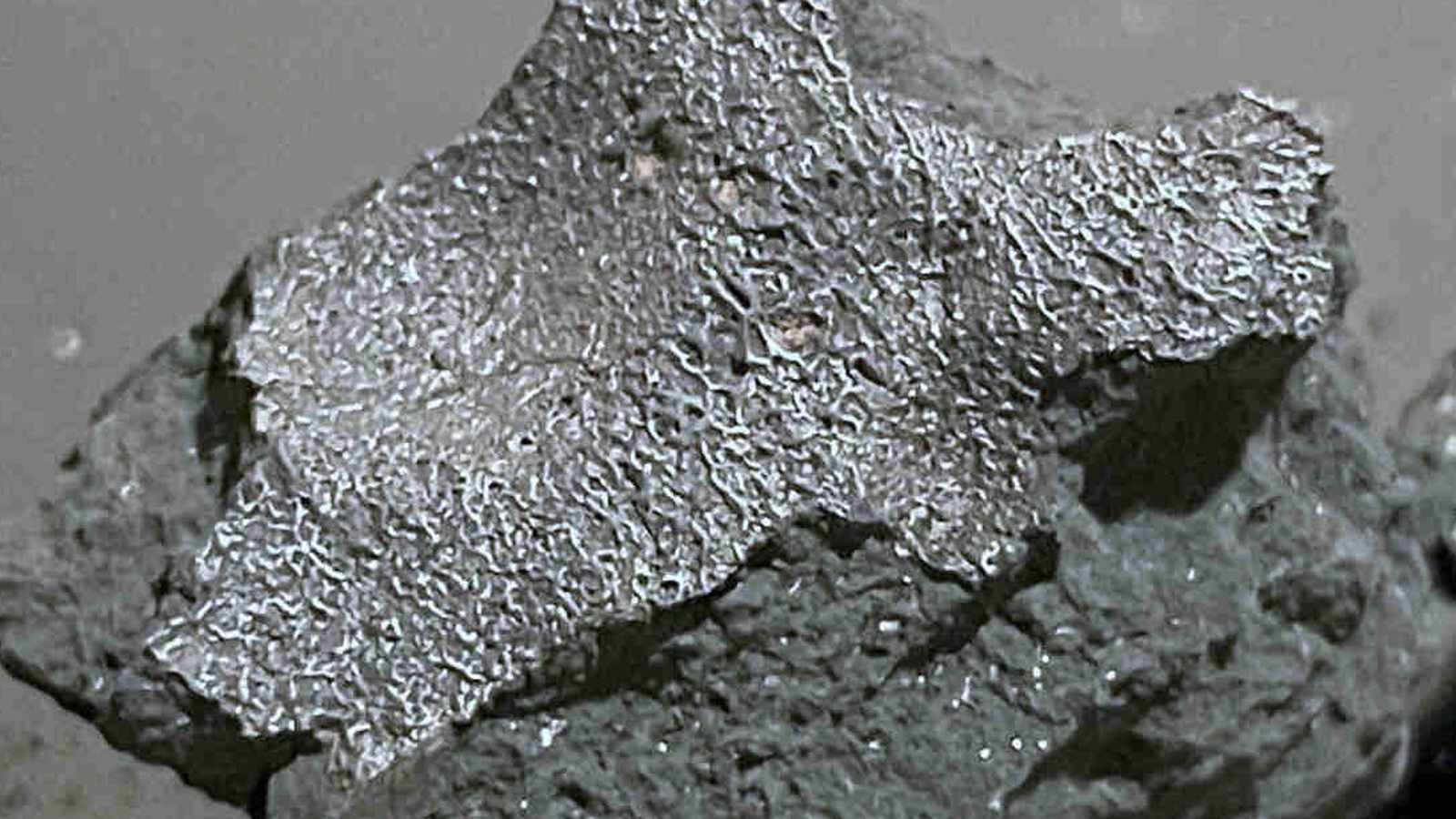
A scientific analysis of a meteorite that struck a private home in Hillsborough, New Jersey, in July 2024 has yielded significant insights into the delivery of organic matter to early Earth. According to a study published in Science Advances, the fragment contains a complex suite of amino acids and magnesium organic compounds—the chemical building blocks essential for life.
The research team, led by Peter Jenniskens of NASA’s Ames Research Center and the SETI Institute, successfully traced the object’s trajectory, identifying its origin as the Erigone asteroid family in the inner asteroid belt. This family, which includes the asteroid Donaldjohanson, is characterized by primitive carbonaceous chondrite material that has remained largely unchanged since the early solar system.
The Role of Ancient Brines
A critical finding in the study is the presence of unusually high concentrations of sodium, which researchers attribute to ancient brines. These salty, water-rich solutions are capable of altering the minerals within an asteroid and facilitating chemical reactions that produce prebiotic molecules. Cosmochemist Queenie Chan noted that such brines allow phosphate to remain suspended in solution, a process that may have been instrumental in the development of organic life.
“Following the history of water through the solar system is an essential part of understanding the origin of life,” said Mike Zolensky, a meteorite researcher at NASA Johnson Space Center. The presence of magnesium organic compounds—molecules similar to those found in blood and used in photosynthesis—further underscores the potential for these asteroids to have seeded Earth with the necessary materials for biology.
Rapid Recovery and Scientific Value
The scientific success of this analysis was largely due to the rapid recovery of the meteorite. Because the homeowner, an amateur astronomer, collected the fragments immediately using protective equipment, the samples were spared from terrestrial contamination and environmental degradation.
Following the completion of the forensic study, the American Museum of Natural History in New York City has accepted the fragments into its collection. Curator Denton Ebel expressed the institution’s commitment to preserving the sample, noting the rarity of such a delivery from nature directly to a residential setting.