


Defensive Vulnerability Amidst Injury Crisis
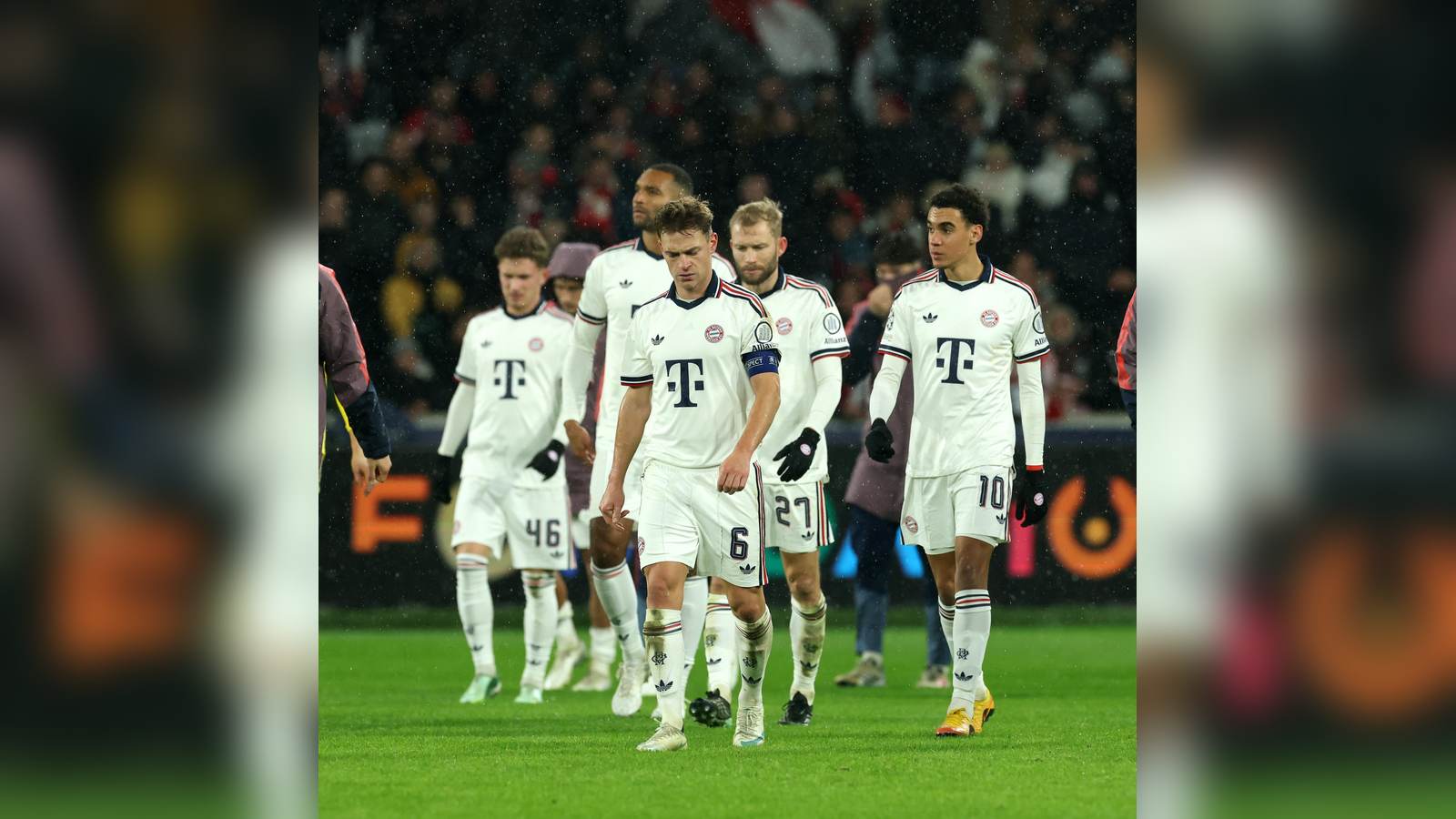
Bayern Munich’s ambition to secure a direct top-eight finish in the UEFA Champions League has been dealt a significant blow following a 2-1 defeat to LOSC Lille on November 25, 2026. As documented by ESPN, this result represents the German giants’ inaugural loss in the current European campaign, arriving at a juncture where points are at an absolute premium. The fixture served as a stark manifestation of an escalating injury crisis, which has decimated the squad’s core. With pivotal starters such as Harry Kane, Michael Olise, Luis Díaz, Jamal Musiala, Alphonse Davies, Ismael Saibari, Serge Gnabry, and Manuel Neuer sidelined, manager Vincent Kompany was forced to navigate the match with a deeply compromised rotation. Despite the absence of recognized attacking firepower, the tactical decision to field six nominal defenders was intended to provide a bedrock of stability. However, the plan backfired, as the backline failed to maintain structural integrity, effectively neutralizing the early advantage gained via a 15th-minute Dayot Upamecano header, clinically converted from a Tom Bischof corner kick.
Tactical Failure in Transition and Total Shambles
Deep-dive analysis published by Bavarian Football Works highlights that the defensive frailties observed during the match were symptomatic of a systemic failure rather than merely a consequence of depleted personnel. While fielding an abundance of defensive-minded players was ostensibly a cautious measure, the team functioned as a “total shambles” when forced to defend against rapid transitions. Lille systematically exploited this lack of cohesion by deploying long balls and runners into the space behind Bayern’s defensive line. This recurring weakness—the inability to cope with simple, direct counterattacking patterns—has persisted throughout the 2026 campaign and remains the primary obstacle to the club’s defensive solvency. The comparison to a “fox in a chicken coop” succinctly captures the ease with which Lille broke down the German side’s resistance, particularly in the second half.
Offensively, the absence of primary leaders resulted in a performance that lacked both rhythm and purpose. The squad appeared to act like a “headless octopus,” struggling to manufacture high-quality chances and appearing disconnected in the final third. Konrad Laimer was noted as a rare exception, displaying an indefatigable work rate, yet his individual exertion could not compensate for the collective stagnation. The reliance on a rotation dominated by midfielders for attacking duties meant that the ball was moved horizontally without purpose, leaving remaining experienced figures isolated and unable to impose their will on the game. The lack of clinical execution meant that when Lille equalized through Ayase Ueda in the 62nd minute, followed swiftly by a decisive second goal, Bayern lacked the creative ingenuity to mount a meaningful response.
Stakes for the League Phase and Personnel Assessment
The consequences of this defeat extend far beyond the immediate disappointment in France. Bayern Munich’s prospects for a top-eight finish, which would guarantee automatic progression, are now characterized by observers as “hanging by a thread.” The tactical rigidity displayed by the side underscores a broader issue regarding depth and the club’s current philosophy on transitional play. While Jonas Urbig, acting in the role of a sweeper-keeper, emerged as a notable standout, performing with commendable composure, he was frequently left exposed by the disorganized structure in front of him. His performance remains a minor bright spot in a game defined by a lack of support for the backline.
As the competition progresses, the club faces a precarious stretch of the season where internal adaptation is non-negotiable. The irony of the evening was not lost on analysts, who noted that a corner flag arguably provided as much defensive utility as the organized structure of the team during several tense moments in the second half. For Vincent Kompany, the mandate is clear: the team must address its susceptibility to set-piece deliveries and counterattacks, which have become a persistent “kryptonite” for the club. With the Champions League league phase demanding consistent results, the inability of this patchwork side to translate tactical instruction into functional on-field coordination marks a troubling period for supporters. The path forward requires not only the return of key individuals to the starting XI but a fundamental reassessment of how the squad operates when deprived of its primary attacking identity. Failure to stabilize this defensive output risks further erosion of the club’s continental standing as the tournament enters its most demanding phase.