


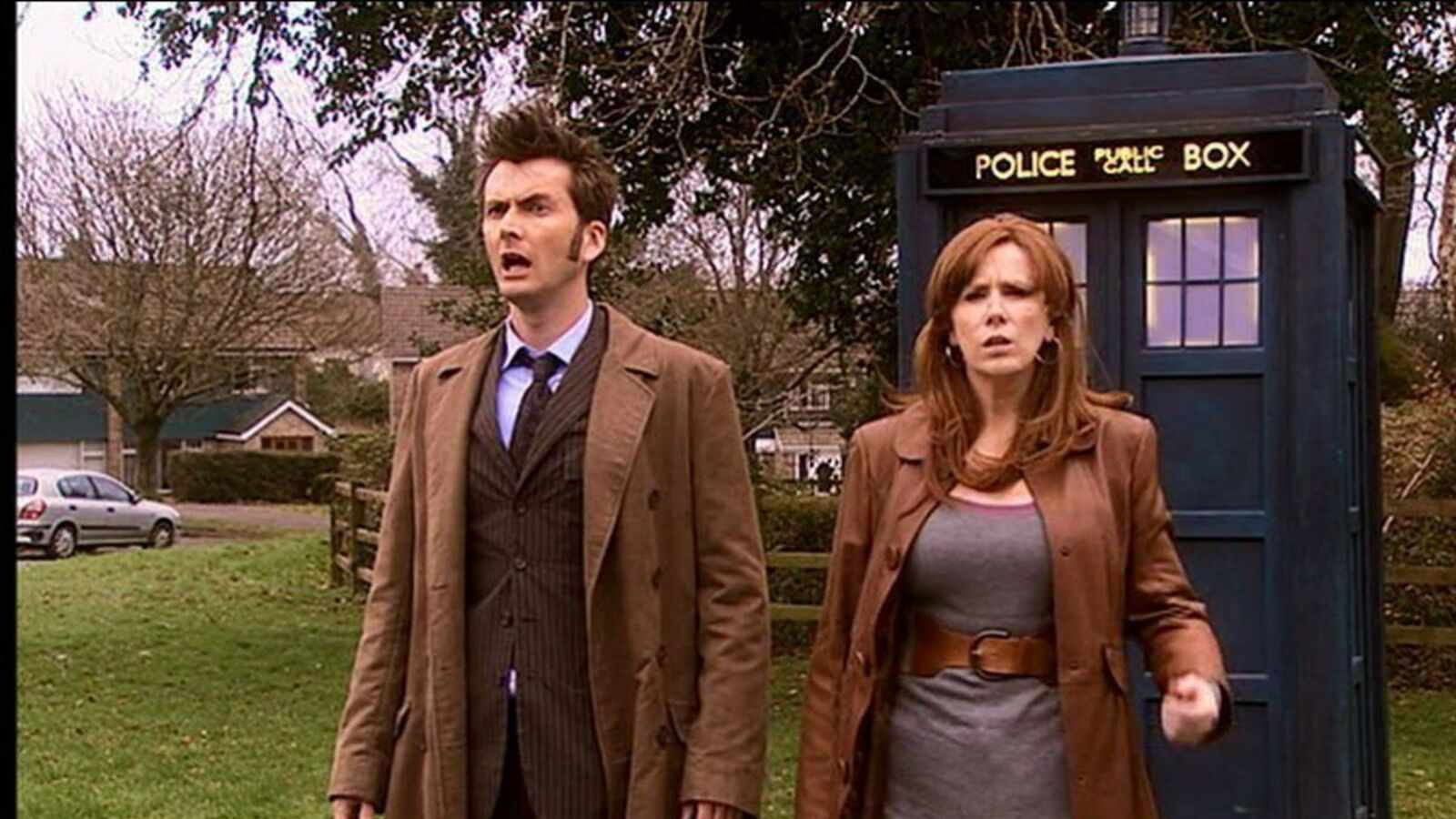
A New Chapter for the Time Lord
Following the conclusion of its partnership with Bad Wolf and executive producer Russell T Davies, the BBC has officially opened a competitive tender process to determine the future production path of its flagship science-fiction series, Doctor Who. The broadcaster is actively soliciting pitches from production companies to helm the series for the 2028-2029 television year, marking a potential shift in how the long-running franchise is managed.
According to Yardbarker, which cites reporting from Deadline, the BBC’s requirements emphasize a move toward greater structural flexibility. While the network remains committed to the core identity of the show—requesting content that is “relevant, surprising, brave and inspiring”—it has signaled a departure from the traditional, singular showrunner model that has defined much of the series’ modern era.
Flexibility and Creative Requirements
The BBC’s tender guidelines offer significant latitude to prospective bidders. The corporation has explicitly stated that it is open to varying structural formats, including both serialized narratives and the classic “story-of-the-week” episodic approach. Furthermore, the broadcaster is not mandating a strict showrunner hierarchy, noting that it expects the production to utilize a collaborative team of episodic writers once the series enters production.
Visually, the BBC is demanding high production standards. The network expects the series to be “cinematic, distinctive, and ambitious,” aiming to maintain its competitive standing in an increasingly crowded global market. Producers are tasked with crafting stories that traverse a broad spectrum of settings, from historical eras and alien worlds to contemporary Earth, while ensuring the inclusion of at least one companion character to ground the narrative.
The Future of Production
The transition arrives as the BBC seeks to revitalize the franchise’s commercial and creative appeal. By opening the floor to new bidders, the broadcaster is effectively decoupling the series from its recent production leadership, inviting a fresh wave of creative proposals. While the criteria emphasize “brave” storytelling, the BBC has provided little additional guidance, suggesting that the selection process will be driven by the strength of the pitches received rather than a rigid set of pre-determined creative constraints.
As the tender process moves forward, the industry is watching to see which production houses will step forward to take on the challenge of managing one of television’s most recognizable properties. The move reflects a broader trend in high-end television where broadcasters are increasingly looking for scalable, flexible production models to ensure long-term sustainability.