


A Collapse of Order on the Pitch
A youth soccer match in Brazil’s Minas Gerais state between Uberlandia and Mamore descended into unprecedented chaos on November 4, 2026, resulting in a record-breaking 51 red cards being issued by the match official. The Fox News reported that the encounter, part of the state-level under-20 second division, was abandoned after a 40-minute brawl necessitated the intervention of local military police to restore order. The match, which served as a semifinal leg, quickly devolved into a scene more reminiscent of a violent clash than a sporting contest, leaving officials and spectators in shock.
The conflict erupted in the 54th minute following a goal celebration that triggered an intense confrontation between the opposing benches. Referee Fernando Patrick Drosghic Modesto noted in his official match report, as cited by NewsCord, that a player made provocative gestures toward the hosts’ bench after Mamore scored to take a 3-1 lead, leading to a localized dispute that rapidly escalated into a full-scale melee involving players, coaching staff, and even ball boys.
Escalation and Disciplinary Fallout
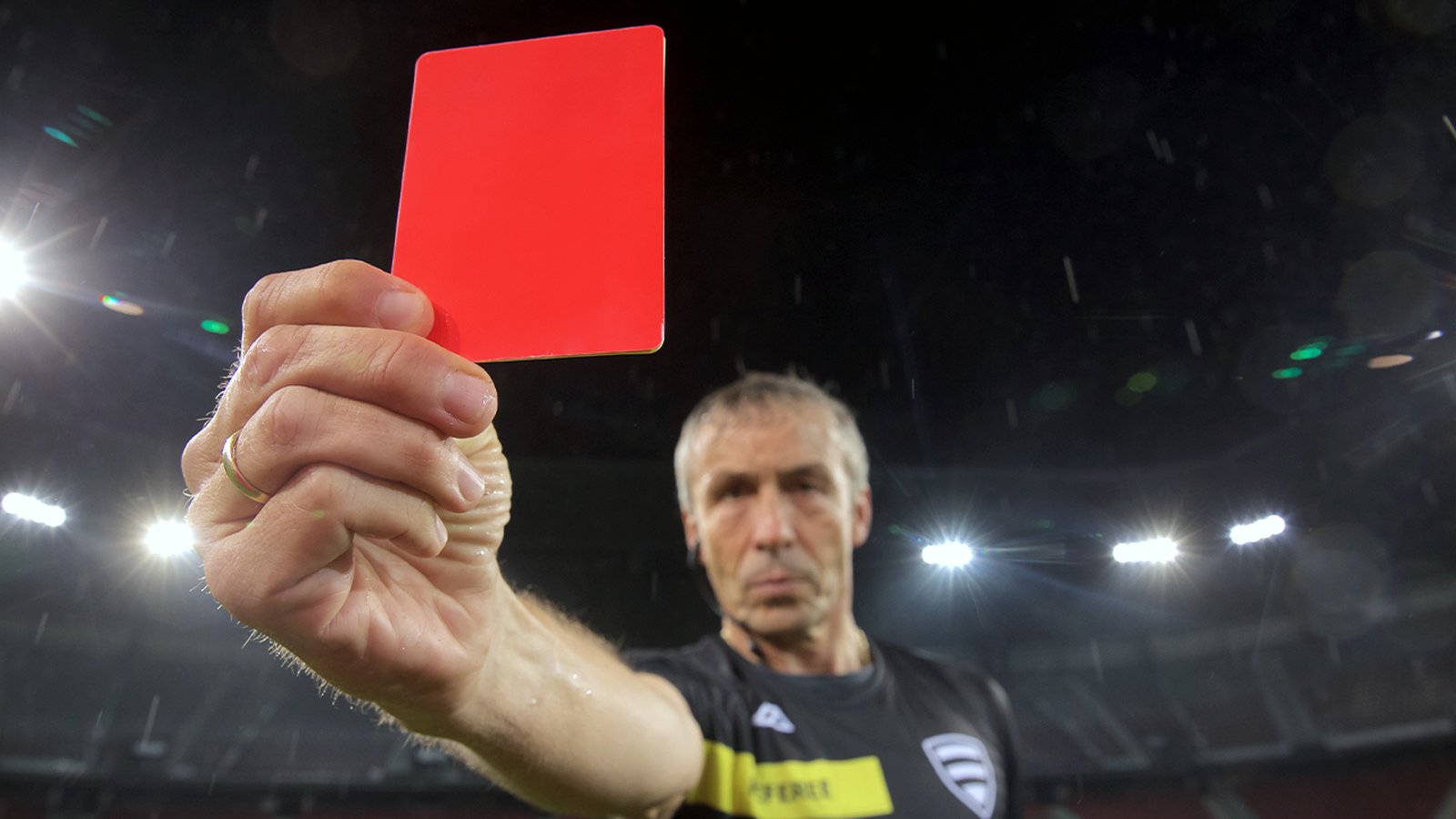
The intensity of the brawl, which included the use of chairs and medical stretchers as makeshift weapons, forced the match officials to stop play for an extended period. According to The Independent, the disciplinary action taken by the referee resulted in 43 players and eight staff members being dismissed from the pitch. This total significantly exceeds the previous Guinness World Record for the most red cards in a single game, which stood at 36 cards issued during an Argentine fifth-division match in 2011.
The official report detailed a complex sequence of events, noting that while 48 of the red cards were directly linked to the 40-minute brawl, others were issued for pre-existing disciplinary issues, threats against match officials, and physical altercations observed after the initial escalation. One player was dismissed for a second yellow card earlier in the match, while subsequent red cards were issued for egregious behavior, including one individual who threatened an official and another who physically struck an opponent. The referee ultimately declared the match impossible to continue due to the lack of remaining personnel and the breakdown of standard safety protocols, necessitating the arrival of military police to secure the environment.
Institutional Stakes and Disciplinary Failure
The incident highlights systemic vulnerabilities in the governance of regional youth soccer in Brazil. By failing to contain the initial provocation, the match atmosphere allowed a goal celebration to transform into a violent event that required law enforcement to enter the field of play. This underscores the difficulty in maintaining administrative control when professional-level tensions manifest in youth competitions, where the emotional stakes are often high but the maturity of the participants may be tested by the pressure of the tournament.
The long-term consequences for the participating clubs remain uncertain, as the Minas Gerais state football federation is expected to review the referee’s report. Potential outcomes include heavy fines, long-term bans for the individuals involved, and a comprehensive review of security requirements for future youth matches. While the event has gained global attention due to the sheer volume of cards issued, for the local stakeholders, the primary concern remains the reputational damage to the regional competition and the safety of the young athletes involved. The sheer scale of the disciplinary action serves as a stark warning to the sporting community about the dangers of unchecked aggression. The match, intended to be a competitive semifinal leg, now serves as a cautionary case study for disciplinary committees on the necessity of proactive conflict mitigation in high-stakes youth sports. The use of medical equipment as weapons remains a particularly disturbing detail that will likely factor into the federation’s final ruling on the matter. Moving forward, the focus will shift toward whether the current disciplinary framework is sufficient to prevent such a total breakdown of order in the future.
Reflections on the Match Environment
The role of the coaching staff in this incident has also come under intense scrutiny. Reports suggest that members of the staff were not merely spectators to the violence but active participants in the physical altercation. When those tasked with the guidance and development of youth players engage in or incite such behavior, it creates a toxic environment that invalidates the educational purpose of the competition. The referee’s decision to issue red cards to eight staff members is a clear signal that the authority of the match officials was completely undermined by those who should have been modeling professional conduct. The 40-minute pause in play further emphasizes the severity of the situation, as the referee attempted to regain control of a pitch that had become a battleground. This incident is now being analyzed by sports administrators across the region as an example of what happens when on-field provocations are allowed to permeate the entire match environment. As investigations continue, the emphasis will remain on ensuring that no further incidents of this nature occur, as the reputation of the Minas Gerais youth league hangs in the balance. The record-breaking number of red cards is not merely a statistical curiosity; it is a profound indictment of the match environment that allowed such chaos to manifest.