


Legal Proceedings and Public Tension
The preliminary hearing for Tyler Robinson, the individual accused of the September 2025 assassination of Turning Point USA (TPUSA) founder Charlie Kirk, began this week in Utah. As the court evaluates the evidence presented by prosecutors—including DNA findings and witness statements—a secondary, highly public conflict has erupted online involving conservative commentator Candace Owens.
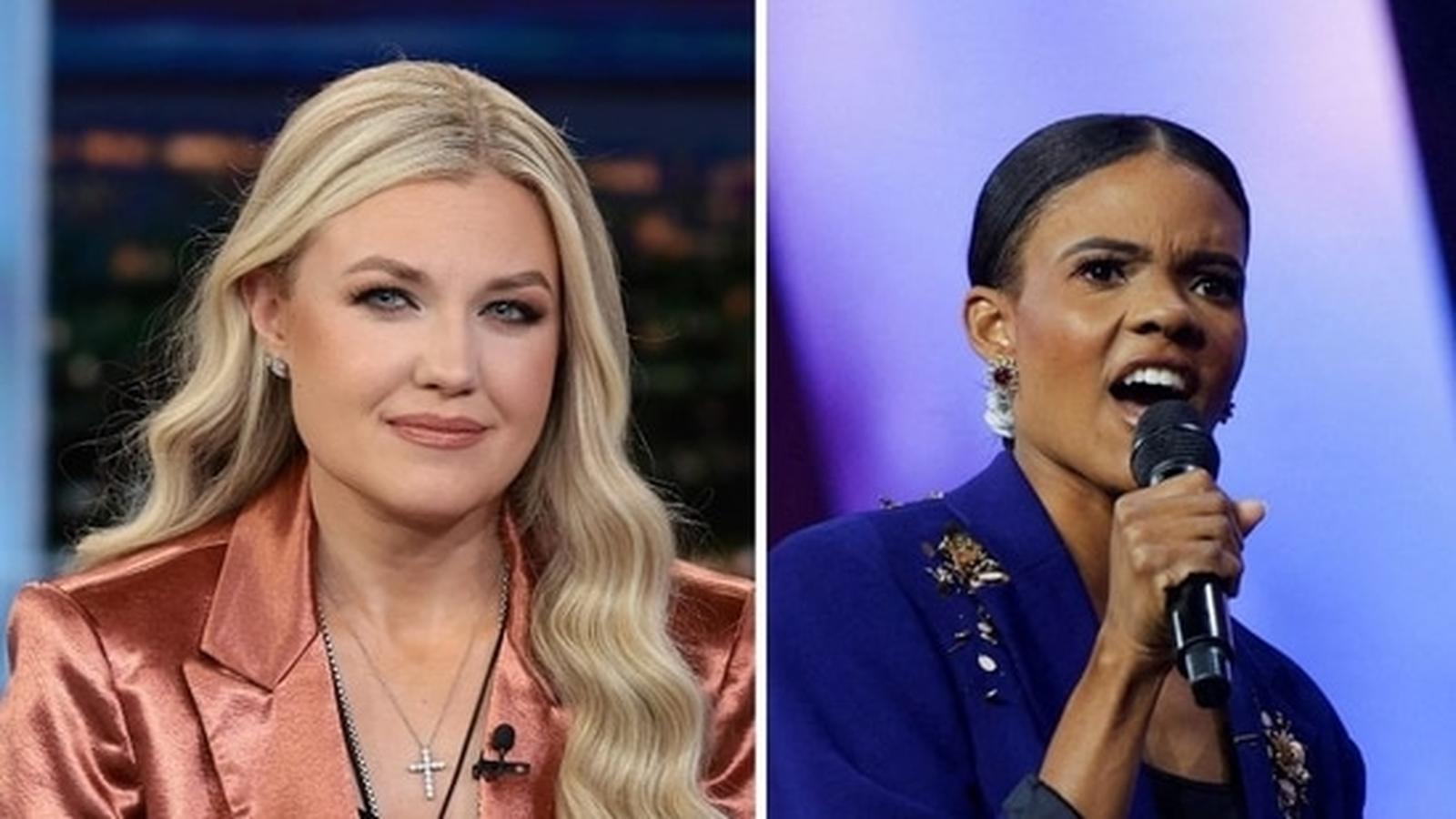
While Erika Kirk, the late founder’s widow, issued a formal statement on behalf of the family requesting privacy and emphasizing the emotional toll of the judicial process, Owens has taken a sharply different approach. Posting on the platform X, Owens declared, “One more fight, Charlie. I don’t fear these demons. We will win.” This rhetoric has drawn significant criticism from within the organization and among observers who view the public posturing as a distraction from the legal proceedings.
The Feud Over Legacy
The tension escalated further following a heated exchange between Owens and Andrew Kolvet, a TPUSA spokesman. Kolvet had previously suggested that Kirk’s interactions with Owens were intended to “placate” her, a claim Owens vehemently rejected. She characterized Kolvet as a “clown” and a “routine liar,” asserting that her relationship with Kirk was genuine and maintained through private correspondence until his death.
This clash reflects deeper fissures within the conservative movement regarding the stewardship of Kirk’s legacy. Critics argue that Owens is utilizing the tragedy to advance personal narratives and maintain visibility, while her supporters contend she is defending the truth of her friendship against those who seek to rewrite history to suit institutional interests.
Institutional Stakes
The legal focus remains on whether prosecutors can establish probable cause for the first-degree murder charge against Robinson. District Judge Tony Graf is presiding over the five-day hearing, which serves as a lower evidentiary threshold than a full jury trial. Despite the gravity of the legal case, the digital infighting has shifted public discourse toward questions of loyalty, donor influence, and the ideological future of TPUSA.
The contrast between the Kirk family’s restrained, privacy-focused stance and Owens’ combative public engagement highlights a growing divide. As the trial progresses, the battle over Charlie Kirk’s memory appears set to continue with as much intensity as the formal legal proceedings in Utah.