


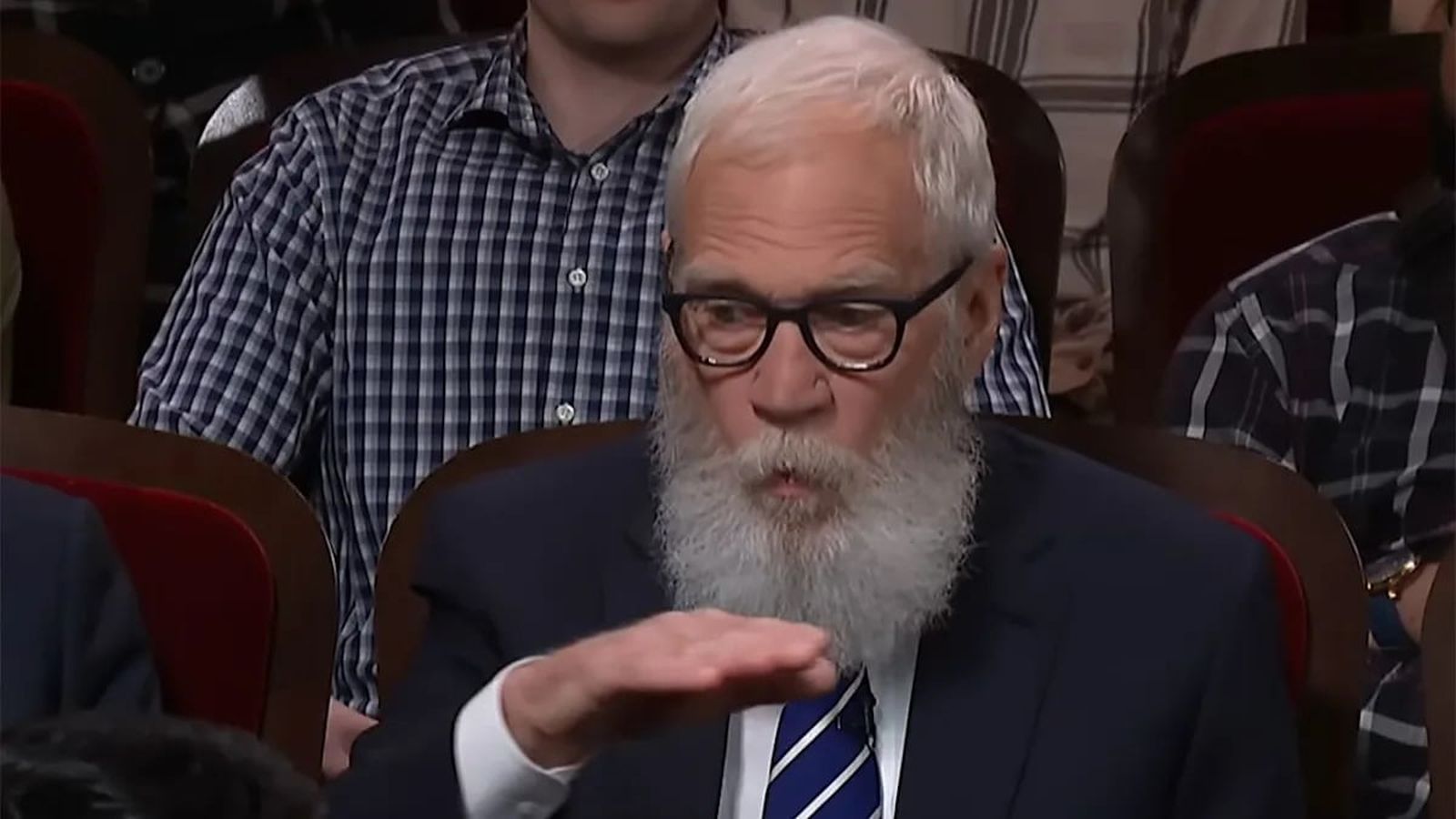
Late-night television history is defined by the unique persona of David Letterman, whose tenure on CBS remains a benchmark for the industry. Recent discussions between comedians Mindy Kaling and Amy Poehler have shed light on the peculiar social etiquette that governed his program, specifically regarding the handling of praise.
Kaling recalled being cautioned by producers before her appearances to avoid complimenting the host. According to Kaling, the advice suggested that for Letterman, receiving praise felt akin to receiving an insult. “Do not compliment him. He doesn’t know what to do with it,” Kaling shared, noting that the warning created a lasting tension, as guests felt that offering genuine kindness could be perceived as a hostile or awkward act.
Amy Poehler corroborated this experience, noting that this was an unspoken rule within Hollywood circles. The two comedians used the anecdotes to highlight the broader discomfort many late-night hosts feel when receiving flattery. Letterman himself has addressed this aversion in the past; upon receiving the Mark Twain Prize for American Humor in 2017, he admitted that being the focus of praise made him uncomfortable, fearing that such accolades were merely “lies” about his character.
This dynamic contributed to Letterman’s reputation for unpredictability. By rejecting standard celebrity pleasantries, he created a space where interactions were often defined by discomfort rather than conventional rapport. While some guests found this environment challenging, others viewed it as an essential component of his comedic style, which consistently prioritized sharp, awkward questioning over traditional talk-show sycophancy.