


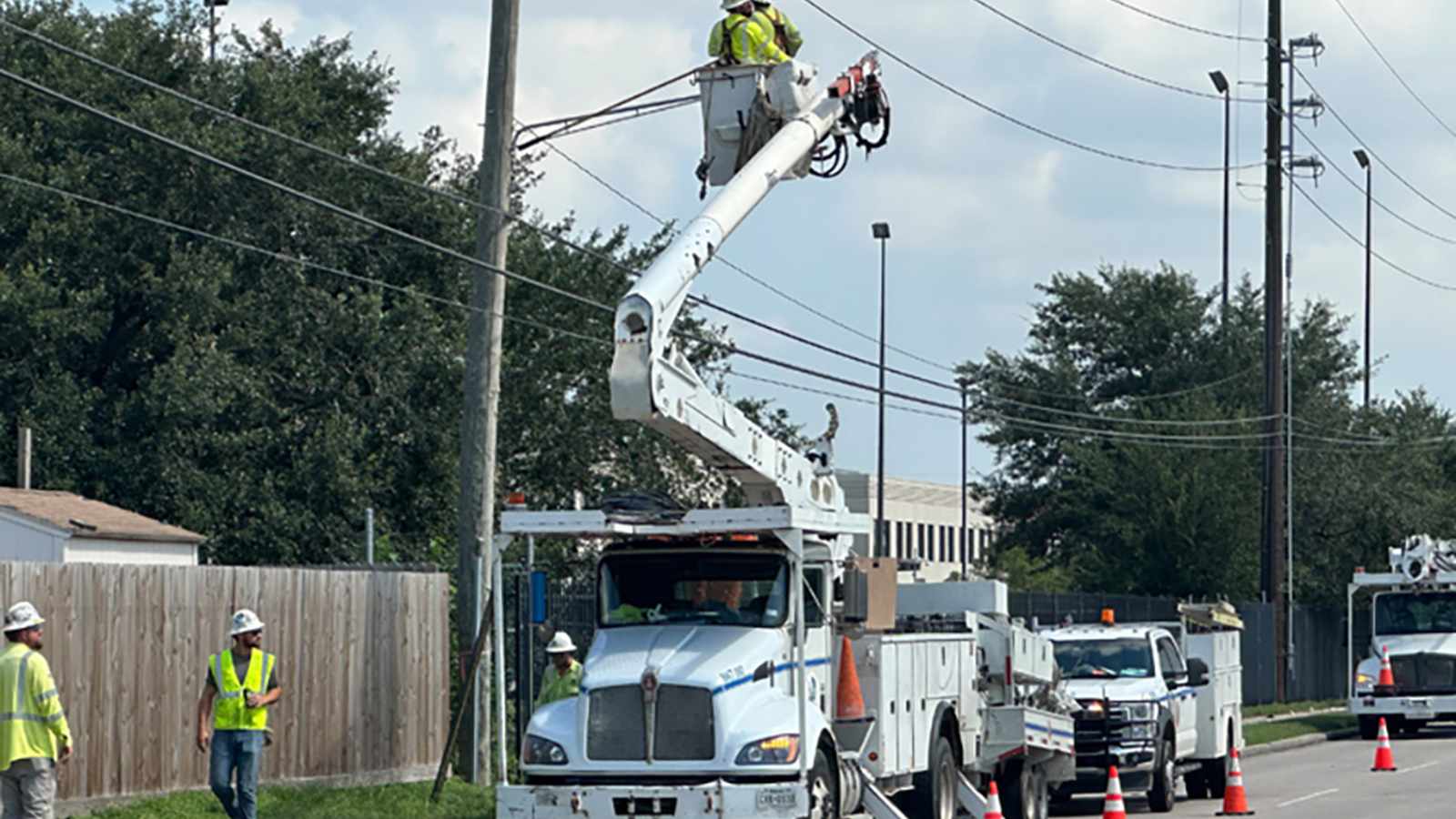
As the year draws to a close, Houston has found itself at the mercy of nature’s whims. A sharp cold front barreled through Southeast Texas on December 29, 2025, bringing not only a dramatic drop in temperature but also fierce winds that rattled homes and businesses across the region. For many, the day began not with the hum of central heating, but with the silence that comes when the lights go out.
CenterPoint Energy’s outage tracker painted a stark picture early Monday morning: nearly 35,000 homes and businesses without electricity, most concentrated in Central and North Houston. The culprit? Gusty winds, clocking in at speeds up to 45 mph, proved too much for power lines already strained by the season’s demands. As reported by Click2Houston and Houston Public Media, the wind advisory in effect from Sunday evening through Monday underscored the unusual severity of the weather event.
For Houston residents, the disruption was more than an inconvenience. With temperatures plunging from a balmy holiday weekend into the low 50s—and expected to dip even further to 39°F overnight—the loss of power meant grappling with the cold in new ways. The National Weather Service’s forecast offered little immediate relief, predicting continued brisk winds throughout the day, with only a modest warm-up expected by midweek.
CenterPoint Energy, responsible for powering much of Houston, sprang into action. Crews were dispatched across the city, prioritizing safety as they worked to restore electricity. In a Monday morning social media update, CenterPoint urged residents to stay alert: “Please stay alert and report any downed lines immediately to 713-207-2222, never approach them.” This warning was more than a formality—downed lines, hidden beneath fallen branches or tangled in wind-blown debris, pose serious risks to the unwary.
Amid the flurry of activity, another utility provider, Entergy, also reported outages, though the brunt of the disruption centered around CenterPoint’s infrastructure. The outage map, updated in real time, became a touchstone for worried residents tracking restoration progress and bracing for another chilly night.
What stands out about this latest cold front is how it capped off a period of unusual warmth. Just days before, Houston had celebrated its third-warmest Christmas on record, a detail not lost on locals who swapped T-shirts for sweaters seemingly overnight. The abrupt temperature swing—a drop of nearly 30 degrees—was as jarring as the wind itself, a reminder of how quickly conditions can change along the Gulf Coast.
Local authorities and media outlets, including Click2Houston, kept the public informed with regular updates. Safety tips circulated widely: avoid downed power lines, check on vulnerable neighbors, and use caution with space heaters and generators. For those facing extended outages, the situation was a test of patience and preparedness—a real-life stress test for Houston’s aging infrastructure and community resilience.
By midday Monday, the scope of the problem was clear, but so was the response. CenterPoint’s crews worked through the blustery conditions, often in challenging environments, to restore service as quickly and safely as possible. Residents, meanwhile, exchanged updates on social media, sharing both frustration and encouragement as power flickered back on in pockets of the city.
The forecast offered a glimmer of hope. While Monday’s high would hover in the low 50s, Tuesday promised slightly milder conditions and calmer winds—a welcome reprieve for those who’d spent the night bundled up and waiting. By Wednesday, temperatures were expected to climb back into the 60s, restoring some semblance of normalcy after the storm.
Yet for many, the episode was more than just a weather story. It was a reminder of the delicate balance between nature and infrastructure, and the importance of preparedness in a region where extremes are never far away. CenterPoint’s real-time outage tracker and rapid response were crucial, but so was the community’s ability to adapt—checking on neighbors, staying informed, and taking safety seriously.
As Houston recovers from the cold front’s impact, questions linger: how will the city and its utilities bolster the grid against future weather events? What can residents do to better prepare for sudden outages? If anything, this cold snap has underscored both the vulnerabilities and the strengths of a city that knows how to weather a storm—and come together when it matters most.
While CenterPoint Energy’s efforts were swift and the outage tracker transparent, the episode is a clear signal that Houston’s grid faces challenges as climate variability increases. Strengthening infrastructure and community awareness must remain top priorities, ensuring that when the next cold front blows through, Houston stands ready—not just to restore power, but to protect its people.