


An Unexpected Political Flashpoint in Ohio and Washington
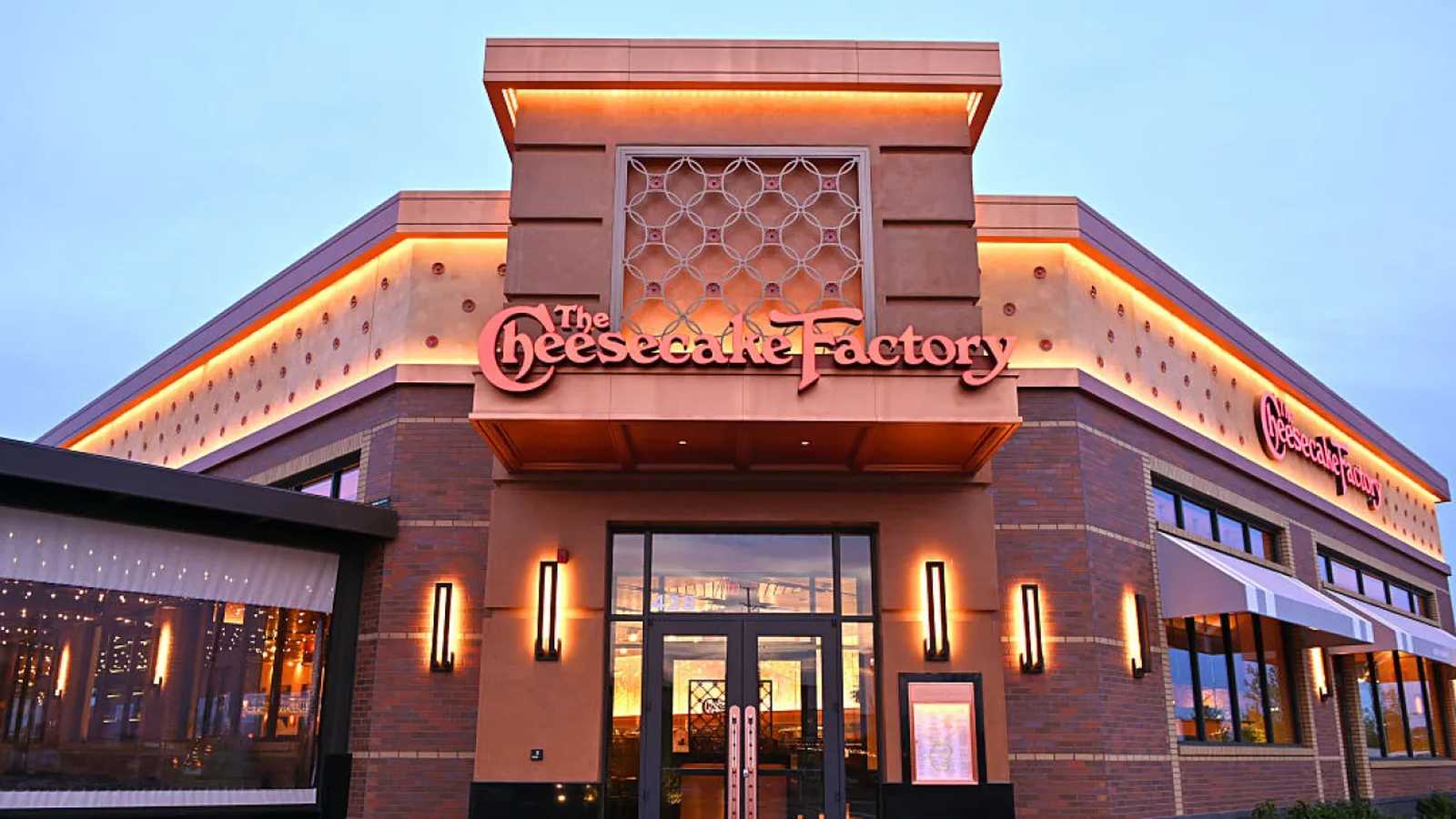
In an unusual intersection of partisan politics and casual dining culture, The Cheesecake Factory found itself thrust into national political debate following remarks made during an October 2026 campaign event in Ohio. NPR reported that former President Barack Obama criticized President Donald Trump’s aesthetic choices regarding White House interior decoration, remarking during his appearance that the executive mansion looked “like Saddam Hussein opened a Cheesecake Factory.” The comparison quickly reverberated across media channels, abruptly bridging high-stakes presidential politics with a ubiquitous suburban restaurant chain known for its extensive multi-page menu and generous portions.
The remark did not go unanswered by the current administration. In a direct counter-gesture reported by NPR, U.S. Treasury Secretary Scott Bessent visited a Cheesecake Factory location situated near the White House shortly after the comments surfaced. Bessent ordered a French Dip Cheeseburger for lunch and subsequently suggested to reporters that critics from elite political circles—specifically referencing what he termed the “Martha’s Vineyard set”—should sample the establishment for themselves. This public-facing culinary retort instantly transformed a casual political jibe into an ongoing cultural touchstone, drawing sharp lines between traditional elite hospitality and mainstream American casual dining.
Broader Cultural Stakes and Satirical Commentary
Beyond the immediate partisan exchange, the unexpected spotlight on The Cheesecake Factory has sparked broader commentary regarding the nature of official state hospitality and public representation in Washington. As NPR noted, the discourse has inadvertently raised tongue-in-cheek questions about the massive expenditures associated with hosting foreign dignitaries, such as proposed multimillion-dollar investments in new White House ballrooms for state dinners. Observers and cultural commentators have begun drawing humorous contrasts between formal, meticulously plated state dinner menus—such as Dover Sole Meunière or traditional French pastries served to visiting monarchs and heads of state—and the sprawling, option-dense culinary offerings characteristic of popular American chain restaurants.
This lighthearted pivot in the political news cycle illustrates the unpredictable mechanisms by which everyday commercial brands can be co-opted into high-level messaging. While political figures frequently utilize localized imagery and working-class symbols to project cultural alignment, the sudden elevation of a nationwide casual restaurant chain highlights the sensitivities surrounding elite versus populist aesthetics in modern American politics. Whether this cultural moment translates into tangible policy debates over official entertaining expenses or simply remains a memorable footnote in recent campaign rhetoric, it underscores the persistent blurring of lines between mainstream consumer culture and high-level political posturing.
Ultimately, the episode demonstrates how easily cultural shorthand can capture public attention when partisan figures trade barbs over interior design and lifestyle choices. As both the administration and its critics continue to navigate the symbolic terrain of American identity, everyday institutions—from local eateries to national chains—remain vulnerable to sudden absorption into the capital’s political theater.
Analyzing the Intersection of Brand Identity and Partisan Retoric
The sudden migration of a commercial restaurant brand into the lexicon of national political warfare highlights several ongoing shifts in how political figures communicate cultural affiliation. Observers analyzing the 2026 campaign cycle noted that cultural markers have increasingly replaced granular policy debates as shorthand for authenticity. When former President Obama invoked the imagery of the restaurant chain during his Ohio speech, the intent was to mock a specific decorative style through exaggerated, accessible cultural references. The choice of reference point—a dining institution with over 250 menu items known for massive portions and suburban ubiquity—provided an immediate, visceral mental image for voters across the country.
Conversely, Treasury Secretary Bessent’s tactical deployment of a lunch trip to a downtown Washington-area location demonstrated how rapidly an administration can pivot to neutralize or co-opt a cultural critique. By ordering a French Dip Cheeseburger and publicly addressing the press, Bessent inverted the insult into a populist badge of honor. He directly challenged the perceived detachment of the coastal elite political establishment, framing the appreciation of mainstream commercial dining as an authentic expression of connection to everyday American experiences. This tit-for-tat exchange underscores the ways in which modern political communication relies on rapid-fire symbolic positioning.
Examining State Dinner Customs and Popular Dining Alternatives
The political food fight also injected new life into long-running satirical debates about official state entertainment in the nation’s capital. Proposals to allocate upwards of $600 million for new White House ballroom infrastructure to accommodate visiting heads of state have frequently drawn scrutiny from budget hawks and cultural critics alike. The unexpected prominence of The Cheesecake Factory provided a convenient foil for commentators questioning the rigid formality of traditional diplomatic banquets.
Traditional state dinners have long featured highly curated, Chef-driven menus—such as the spring offering of Dover Sole Meunière with Potato Pavé, Spring Ramps, Snow Peas, and Parsley Oil served for King Charles III, or the Goat Cheese Gateau presented during French President Emmanuel Macron’s 2018 visit. By contrast, commentators playfully contrasted these exclusive gastronomic traditions with the seemingly endless variety of casual chain restaurant options, ranging from Chicken and Waffle Skewers and Tex-Mex Eggrolls to Buffalo Blasts and Fried Macaroni and Cheese balls. While these satirical comparisons were clearly intended in jest, they touched upon a genuine populist sentiment regarding the vast cultural distance separating elite diplomatic circles from the everyday culinary habits of ordinary citizens.
As the news cycle moves forward, the lasting impact of this unusual political detour remains to be seen. Whether it influences future debates over official entertaining budgets or simply endures as a quirky anecdote in the annals of campaign trail banter, the episode serves as a striking reminder of how fluidly everyday commercial culture can become entangled in the high-stakes theater of American partisan politics.