


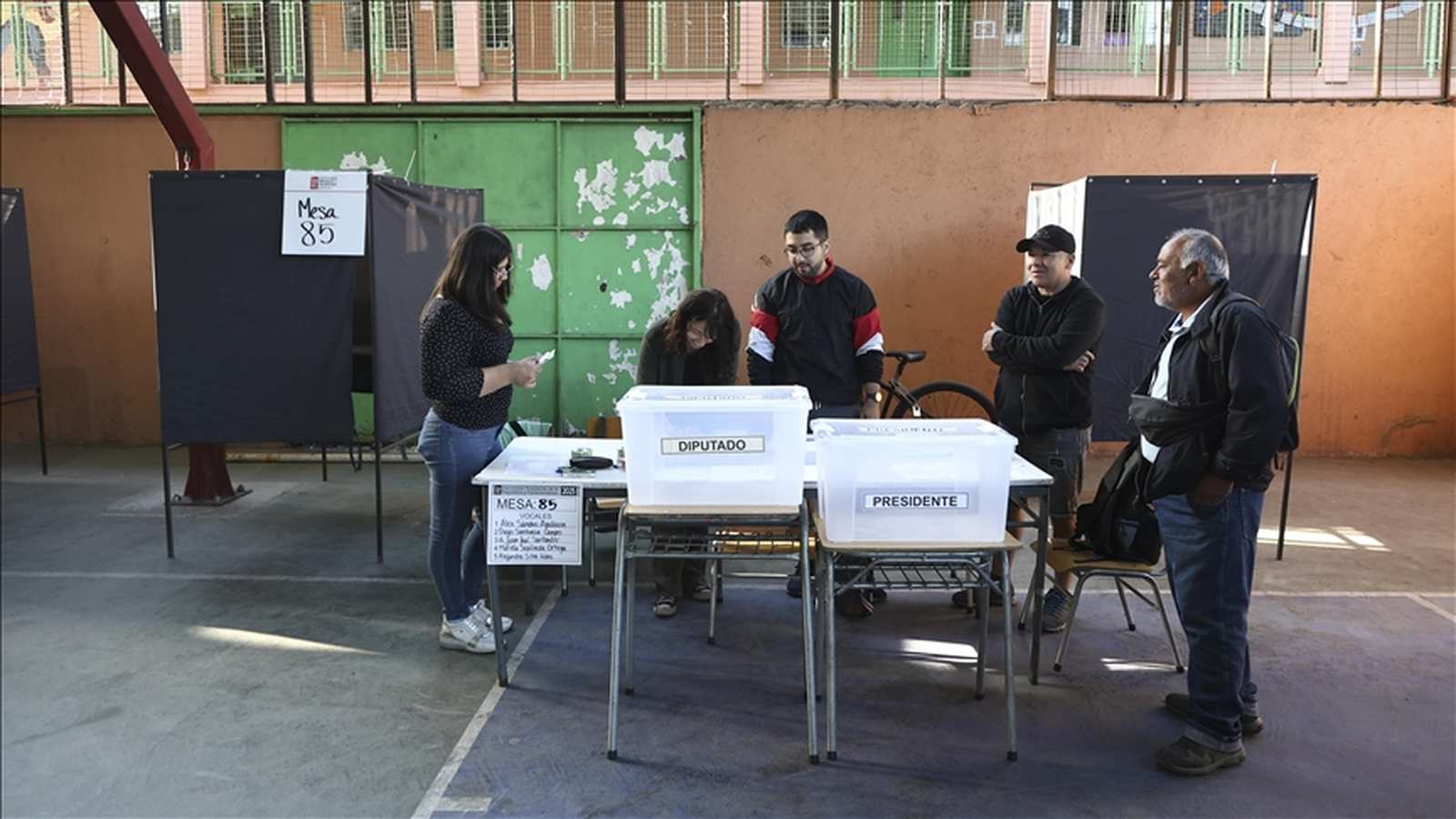
Polarized Politics: Chile’s Runoff Reflects Deep Societal Divisions
Chile’s presidential election, held on November 16, 2025, has thrown the country into one of its most polarized political battles in decades. After an intense first round, leftist Jeannette Jara and far-right José Antonio Kast emerged as the top contenders, neither clearing the 50% threshold required for an outright win. With 83% of votes counted, Jara led with 26.7%, followed closely by Kast’s 24.1%, according to Chile’s electoral authority, Servel (Al Jazeera).
The runoff, set for December 14, will test the resilience of Chile’s democracy and the ability of candidates to unite a divided electorate. While eight candidates appeared on the ballot, the runoff will hinge on how Jara and Kast court the supporters of eliminated contenders—most notably economist Franco Parisi (third with 19.4%), radical libertarian Johannes Kaiser (13.9%), and center-right Evelyn Matthei (12.7%).
Security, Immigration, and the Shift to the Center
This election’s defining theme is public security, with both Jara and Kast pivoting toward hardline positions in response to rising crime and anxiety over immigration. Chile’s foreign population has doubled since 2017, reaching 1.6 million in a nation of 18 million, and the specter of foreign criminal gangs—particularly Venezuela’s Tren de Aragua—has fueled calls for tougher enforcement (Marietta Times).
Jara, the Communist Party’s candidate and former labor minister under President Gabriel Boric, has promised to hire more police, build new prisons, and expel foreigners convicted of drug trafficking. Kast, founder of the far-right Republican Party, has pledged to construct a massive border wall, deport undocumented migrants, and restore order with what he calls an “iron fist.” Even moderate and libertarian candidates adopted strict stances, with proposals ranging from deploying drones to detaining undocumented migrants in camps and barring their children from schools.
Political scientist Rodolfo Disi notes that both extremes are “vying for the center,” as they seek to appeal to voters anxious about crime and immigration but wary of ideological dogma. Jara has emphasized fiscal restraint and practical reforms, while Kast has softened his focus on traditional values to attract mainstream voters.
Economic Strain: Cost-of-Living and Welfare
Economic concerns run parallel to security fears. Jara’s platform includes raising the minimum wage, shortening the workweek to 40 hours, and establishing a $800 monthly “living” income to address Chile’s cost-of-living crisis. She has sought to distance herself from Boric’s administration, hinting she might break from the Communist Party if elected to widen her appeal.
Kast, meanwhile, proposes dramatic cuts to public spending—over $6 billion in 18 months—alongside slashing corporate taxes to jumpstart growth. Critics, including economist Evelyn Matthei, have called these targets “absolutely impossible,” reflecting skepticism over the feasibility of Kast’s plans. Libertarian Johannes Kaiser pushes for even deeper cuts, pledging to shrink the state by up to $15 billion.
The economic debate is shaped by Chile’s sluggish growth, high unemployment, and the pressure of a swelling immigrant labor force. These factors have stoked frustration among voters and driven calls for radical change.
Runoff Dynamics: Coalition Building and Endorsements
Following the first round, right-leaning candidates quickly rallied behind Kast. Both Kaiser and Matthei endorsed him, citing the need for a “sharp change of direction” and stricter immigration controls. Parisi, however, refrained from backing either finalist, stating both must “go look for new voters on the street.”
Jara, facing an uphill battle, thanked supporters and urged Chileans not to let fear drive them toward the far right. “Don’t let fear harden your hearts,” she warned, criticizing Kast’s draconian campaign security measures and emphasizing hope over division (Al Jazeera).
President Gabriel Boric, who is constitutionally barred from seeking a consecutive term, congratulated both candidates and called for a “debate with high standards” focused on credible solutions. The election also saw higher turnout than in 2021, due to mandatory voting for all 15.7 million registered citizens.
A Nation at a Crossroads: What’s Next for Chile?
This runoff is more than a contest between left and right—it is a referendum on Chile’s future identity. The dominance of law-and-order issues marks a dramatic shift from the optimism and social reform that propelled Boric to power in 2021. While crime rates have technically fallen, media coverage and high-profile incidents have fueled a sense of insecurity, challenging Chile’s self-image as one of Latin America’s safest countries (Marietta Times).
International observers are watching closely, as Chile’s election could set the tone for South America’s broader political trajectory. The left has recently suffered setbacks in Argentina and Bolivia, and right-wing candidates look poised for gains in Colombia and Peru. For Chile, the outcome could determine whether the country continues its experiment with progressive reform or pivots sharply toward conservative policies.
Jeannette Jara’s candidacy is historic, representing both her working-class background and the Communist Party’s strongest showing since the country’s return to democracy. Kast, frequently compared to Donald Trump, has brought the extreme right into mainstream politics, promising deep change and a break from the status quo.
Chile’s runoff election is a litmus test for how societies respond to fear, change, and division. The convergence of left and right on issues like security and immigration suggests that Chileans are searching for pragmatic solutions, not ideological purity. The second round will reveal whether hope or hardline policies will shape the nation’s next chapter.