


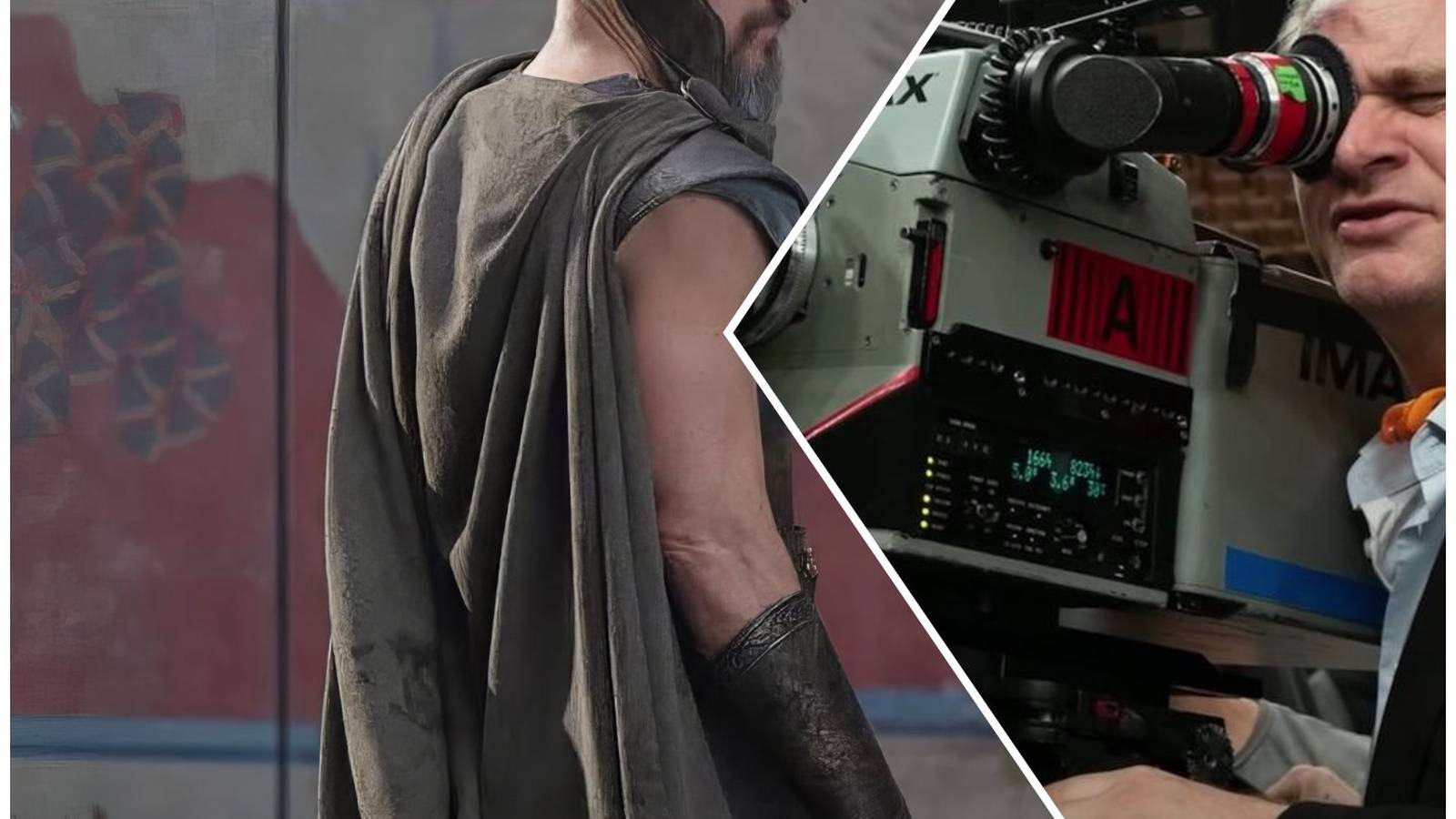
A Cinematic Epic Meets Cultural Controversy
Christopher Nolan’s highly anticipated adaptation of The Odyssey has arrived in theaters, breaking IMAX presale records while simultaneously becoming a lightning rod for intense cultural debate. The film, which explores the Homeric epic of Odysseus, has faced significant public scrutiny, largely centered on the casting of Lupita Nyong’o as Helen of Troy.
The casting decision prompted sharp criticism from figures including tech entrepreneur Elon Musk, who alleged that the choice represented a departure from historical accuracy. Critics often cite the notion of a “fair-skinned” or “blond” Helen as the definitive historical standard. However, classicists point out that such descriptors in ancient texts are often subject to translational ambiguity and that the concept of “whiteness” as a racial category is a modern imposition on the ancient world.
The Scholarly Perspective on Antiquity
Denise McCoskey, a classics professor at Miami University, notes that the obsession with physical appearance often obscures the actual thematic concerns of Greek mythology. “The Greeks were much more interested in the situation that Helen is in and the way that she epitomizes the plight of women in these conflicts,” McCoskey explains. She argues that the far-right’s focus on “racializing” the origins of Greek figures is a modern phenomenon, one that lacks a basis in the actual historical or literary record of the period.
Furthermore, experts suggest that the debate itself is a form of modern projection. While audiences argue over skin color, they often overlook the deeper political and social questions the original texts sought to deliberate, such as agency, the ethics of war, and the nature of truth.
Connecting to the Real City of Troy
While the film uses mythology as its primary source, the physical city of Troy remains a focus of genuine archaeological interest. The University of Cincinnati (UC) recently highlighted its extensive digital archive of the site, which includes meticulous records from excavations led by archaeologist Carl Blegen between 1932 and 1938. These records provide a tangible link to the history of the city, identifying nine distinct periods of settlement and offering a clearer picture of the civilization that inspired these enduring legends.
As the film continues its theatrical run, the discourse highlights a growing tension between the desire for “historical accuracy” in pop culture and the complex, often fluid reality of the ancient world. For many scholars, the true value of the epic lies not in its physical appearance, but in its ability to force modern audiences to grapple with the same questions of survival and morality that have persisted for millennia.