


Production Disruption and Security Breach
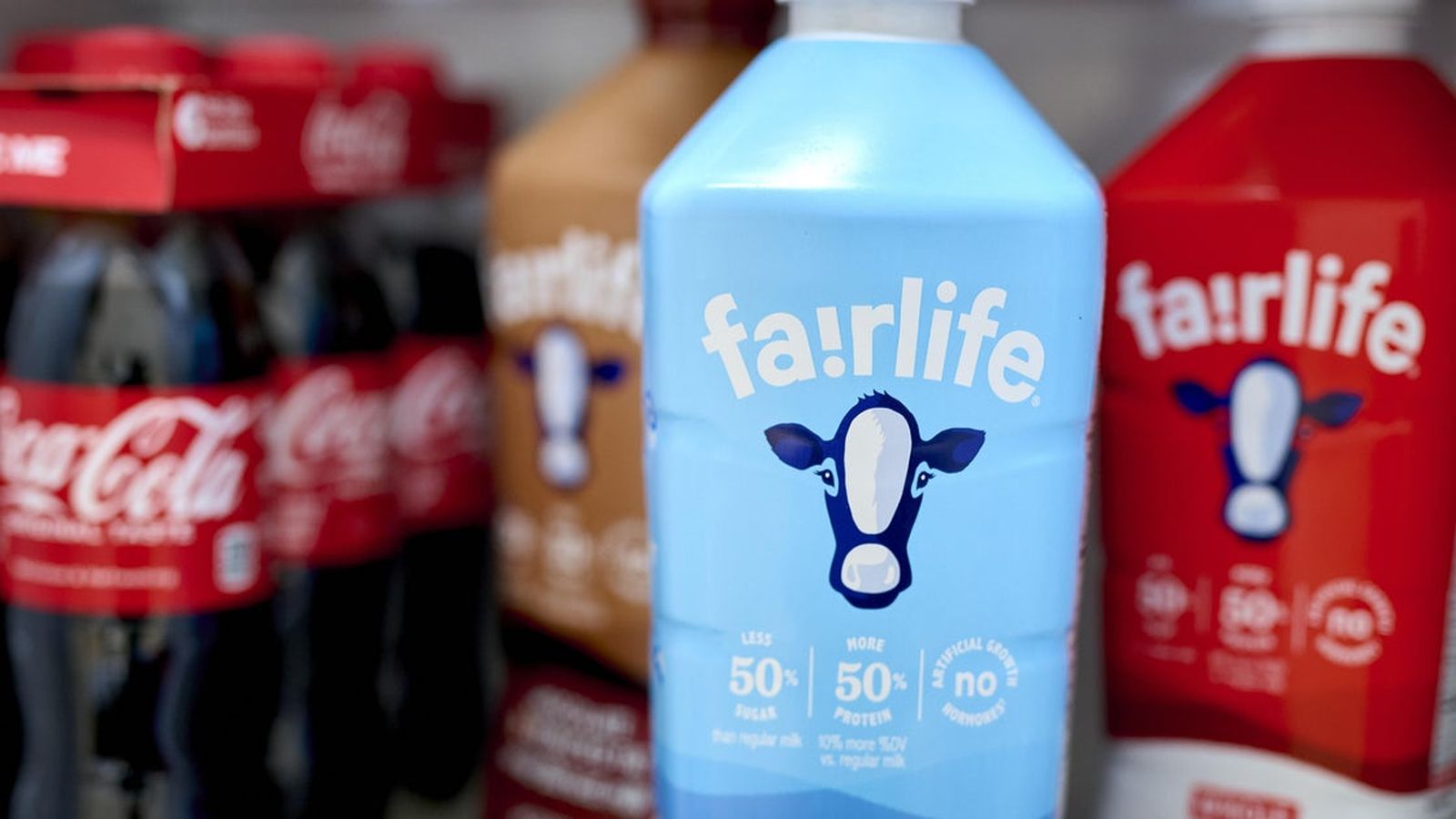
The Coca-Cola Company has suspended all U.S. production operations for its Fairlife dairy subsidiary following a significant ransomware attack that breached the brand’s internal network systems. The incident was formally disclosed in a Form 8-K filing submitted to the U.S. Securities and Exchange Commission on July 16, 2026.
According to the company, unauthorized actors gained access to internal networks, specifically targeting systems integrated with manufacturing processes. While Coca-Cola has not provided a definitive timeline for the restoration of operations, it confirmed that it has activated formal incident response and business continuity protocols. Law enforcement agencies have been notified, and the company is currently working with third-party cybersecurity experts to investigate the scope of the breach and secure its digital infrastructure.
Operational and Market Impact
Fairlife, which was fully acquired by Coca-Cola in 2020, has grown into a major market force with over $3 billion in annual retail sales. The suspension of U.S. production facilities—which include advanced manufacturing sites—threatens to disrupt supply chains and retail availability for lactose-free milk and protein shake products. Notably, Fairlife’s operations in Canada remain unaffected, suggesting that Coca-Cola’s network segmentation successfully isolated the breach.
Despite the operational shutdown, Coca-Cola maintains that product quality and safety controls have not been compromised by the intrusion. This distinction is critical in the food and beverage industry, where cyber-physical threats can often lead to concerns regarding contamination or supply chain integrity.
Analysis: The Vulnerability of Food Supply Chains
The attack on Fairlife underscores a growing trend of ransomware groups targeting the food and agriculture sector. Data from the Food and Agriculture Information Sharing and Analysis Center (Food and Ag-ISAC) indicates that the sector has faced approximately 205 cyberattacks in 2026 alone, accounting for roughly 4.9% of all reported incidents.
The shift toward “just-in-time” manufacturing and the increased integration of Operational Technology (OT) with standard IT networks have expanded the attack surface for major manufacturers. Unlike traditional IT breaches that result in data loss, ransomware in industrial environments often forces a “precautionary shutdown” to prevent the spread of malware into sensitive machinery. As hackers increasingly scan for exposed systems at machine speed, large-scale brands like Fairlife find themselves at the center of a broader, opportunistic wave of cyber-criminal activity that prioritizes the disruption of essential supply chains to exert maximum leverage.