


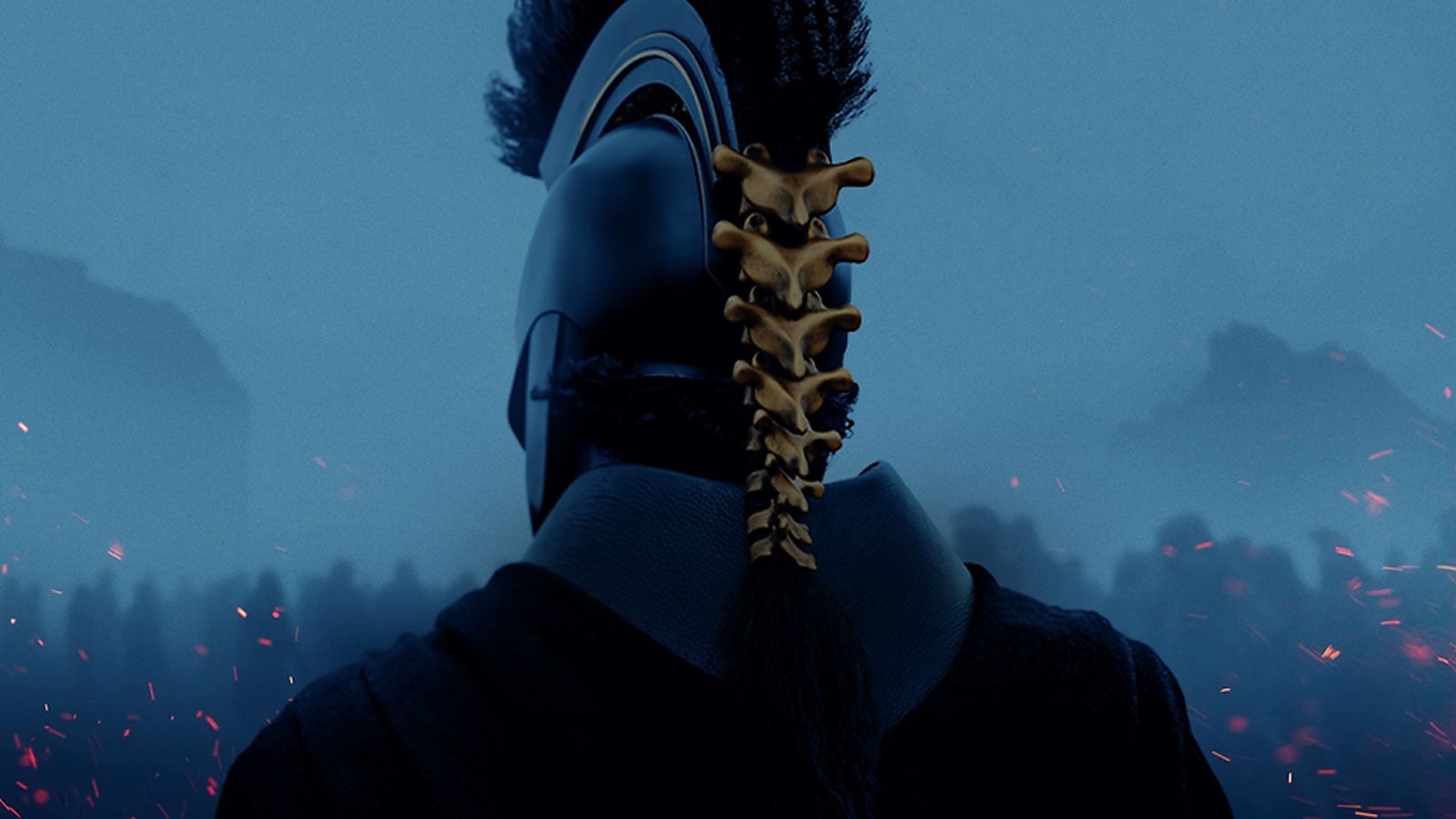
A Monumental Opening Weekend
Christopher Nolan’s latest cinematic epic, The Odyssey, has officially arrived in theaters, making a thunderous impact on the global box office. Released on July 17, 2026, the film has already surpassed the $200 million mark worldwide within its first 48 hours of release. According to trade data from Sacnilk and PTI, the film opened with a massive $51 million Friday in North America across nearly 4,000 screens, while domestic figures in India reached Rs 47.03 crore by the second day. These numbers position The Odyssey as one of the most successful historical adaptations in cinematic history, rivaling the early performance of Nolan’s previous Oscar-winning hit, Oppenheimer.
The film, produced under the Syncopy Inc. banner and distributed by Universal Pictures, carries a staggering $250 million production budget. Industry analysts project the domestic U.S. opening weekend to land between $120 million and $137 million. This commercial success comes despite—or perhaps because of—the intense discourse surrounding the film’s unconventional casting choices and Nolan’s stylistic departures from traditional epic filmmaking.
The ‘Auteur’ Defense: Nolan vs. Elon Musk
While the box office numbers suggest a universal triumph, the film’s release has been shadowed by a public spat between Christopher Nolan and high-profile tech billionaire Elon Musk. The controversy centers on the casting of rapper Travis Scott in a cameo role as a bard. Musk, along with a vocal segment of social media critics, questioned the historical and tonal appropriateness of Scott’s inclusion in a story rooted in 8th-century BC Greek poetry. In a series of public statements following the July 17 premiere, Nolan dismissed these criticisms as “irrelevant,” asserting his absolute creative control over the project.
Nolan’s defense hinges on the concept of the ‘auteur’—the director as the primary creative force whose vision transcends audience expectations or external social commentary. By labeling the criticism irrelevant, Nolan signals a refusal to let digital discourse dictate the terms of artistic expression. This stance has polarized the industry, with some praising his commitment to creative autonomy and others suggesting that the cameo disrupts the immersion of an otherwise meticulously crafted ancient world.
Technical Ambition and Practical Mastery
True to Nolan’s reputation, The Odyssey is a technical marvel shot entirely on IMAX 70mm cameras. The production relied heavily on practical effects, most notably a 60-foot puppet used to portray the Cyclops, Polyphemus. Critics have described the creature as an “uncanny mix of human and monster,” avoiding the CGI-heavy aesthetics typical of modern blockbusters. This commitment to physical scale extends to the maritime sequences, which were filmed on open water to capture the genuine peril of Odysseus’s decade-long journey home.
The film’s auditory landscape, composed by Ludwig Göransson, further distinguishes it from previous adaptations. Eschewing grand orchestral flourishes for a repetitive, pulsing beat, Göransson’s score emphasizes the suspense and psychological toll of the journey. Cinematographer Hoyte van Hoytema continues his collaboration with Nolan, though some viewers have noted a stylistic choice to keep certain shots out of focus—a technique intended to mimic the haze of ancient myth but one that has drawn mixed reactions from technical purists.
Narrative Stakes and Historical Context
Adapting Homer’s The Odyssey is no small feat, given its status as the foundational “hero’s journey.” Nolan’s version focuses on the emotional core of Penelope (Anne Hathaway) and Telemachus (Tom Holland) waiting in Ithaca, contrasted with the increasingly horrific trials faced by Odysseus (Matt Damon). The film includes jarring horror elements, such as the transformation of Odysseus’s crew into swine by the witch Circe (Samantha Morton), which has been cited as one of the most terrifying sequences in Nolan’s filmography.
Historically, The Odyssey has seen numerous adaptations, from the 1954 Kirk Douglas vehicle Ulysses to the Coen Brothers’ 2000 satire O Brother, Where Art Thou?. However, Nolan’s 2026 iteration is being framed as the definitive “blockbuster” treatment of the poem. The film’s ability to maintain high-brow artistic integrity while securing massive commercial returns suggests that Nolan remains one of the few directors capable of mobilizing global audiences for non-franchise, intellectually demanding content.
Looking Ahead
As The Odyssey enters its first full week of release, the focus shifts from opening-day hype to long-term legs. With tickets sold out months in advance in many IMAX locations, the film is expected to dominate the late summer box office. The ongoing debate over Travis Scott’s casting and Nolan’s dismissal of online critics may only serve to fuel curiosity among general audiences. For Universal Pictures, the gamble on a $250 million R-rated (or high-intensity PG-13) epic appears to be paying off, reinforcing the viability of the director-driven event film in a landscape often dominated by superhero sequels.