


A Coordinated Grassroots Response
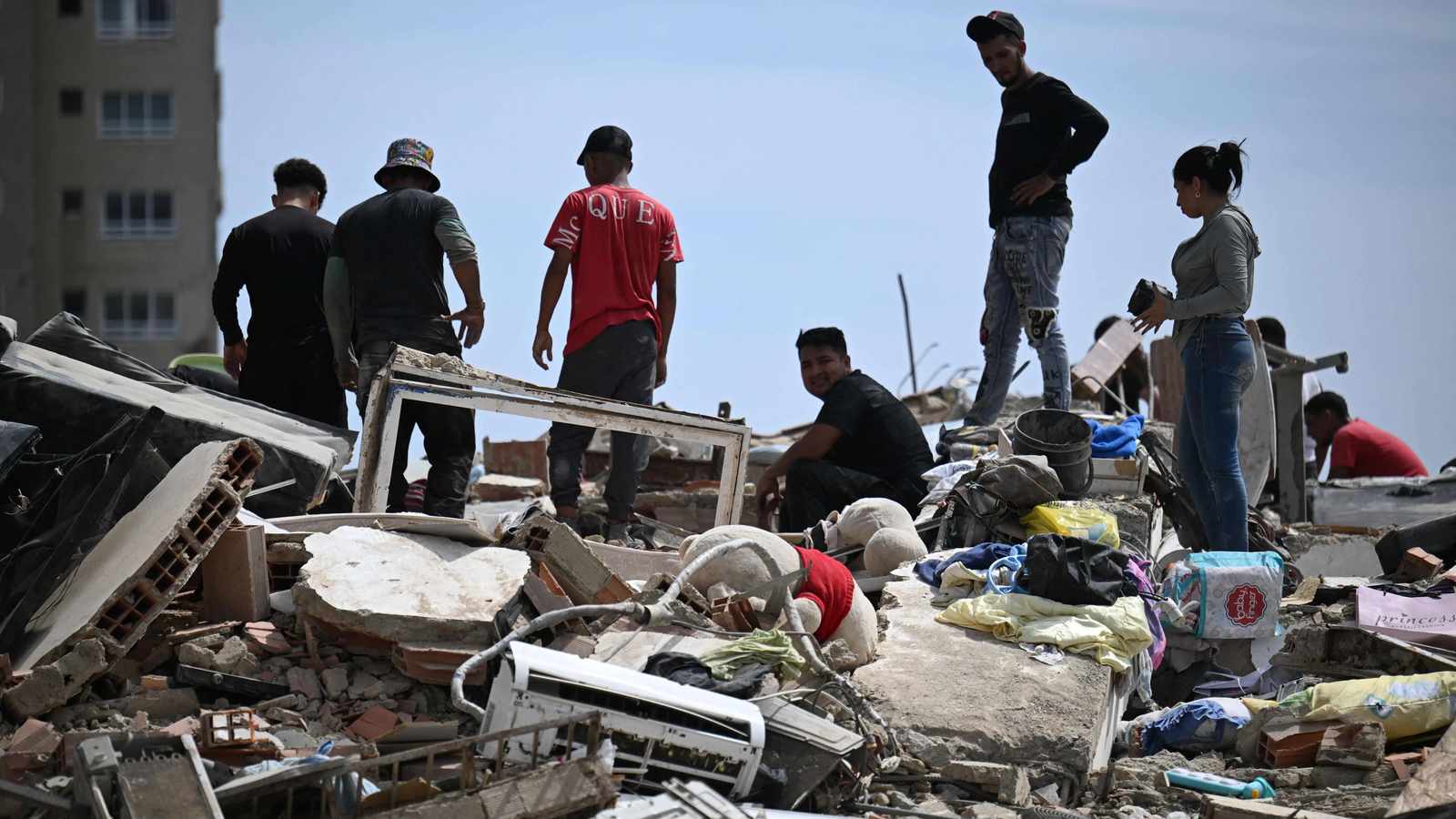
In the wake of the June 24 earthquake that struck Venezuela’s Caribbean coast, the Rómulo Gallegos Communal Circuit in Catia La Mar has emerged as a model of decentralized disaster response. Unlike top-down relief efforts, the community’s recovery is being led by a network of communal councils that have spent years building local governance structures. According to reports from ALBA Movimientos, the circuit—comprising 14 communal councils and approximately 5,500 families—deployed a pre-existing coordination system within hours of the tremor.
Relief brigades, including teams from ALBA Movimientos and the Simón Bolívar Institute, have focused on supporting the priorities set by local leaders such as Raimelis Navarro. This method emphasizes working within the existing communal fabric rather than imposing external solutions. The distribution of supplies, including children’s care items and food, is handled through the circuit’s established channels, ensuring that aid reaches the most vulnerable, including families living in temporary tent settlements.
The Legacy of Prior Crisis
The community’s ability to respond effectively is attributed to lessons learned during a previous, man-made crisis. On January 3, 2026, a missile fragment struck the barrio, resulting in two fatalities and significant displacement. That event served as a painful turning point, forcing the previously independent communal councils to consolidate their decision-making and communication mechanisms. Leaders like Navarro note that the structural coordination developed in the months following that incident became an indispensable asset when the earthquake hit less than six months later.
As of late July 2026, the number of displaced families in the circuit has risen to nearly 200, as engineering inspections continue to flag homes as structurally unsafe. Despite the persistent trauma of aftershocks and the ongoing threat of heavy rains affecting weakened hillsides, the communal circuit maintains a consistent flow of information between sectors, allowing for rapid assessment of needs ranging from medical care to housing for the elderly.