


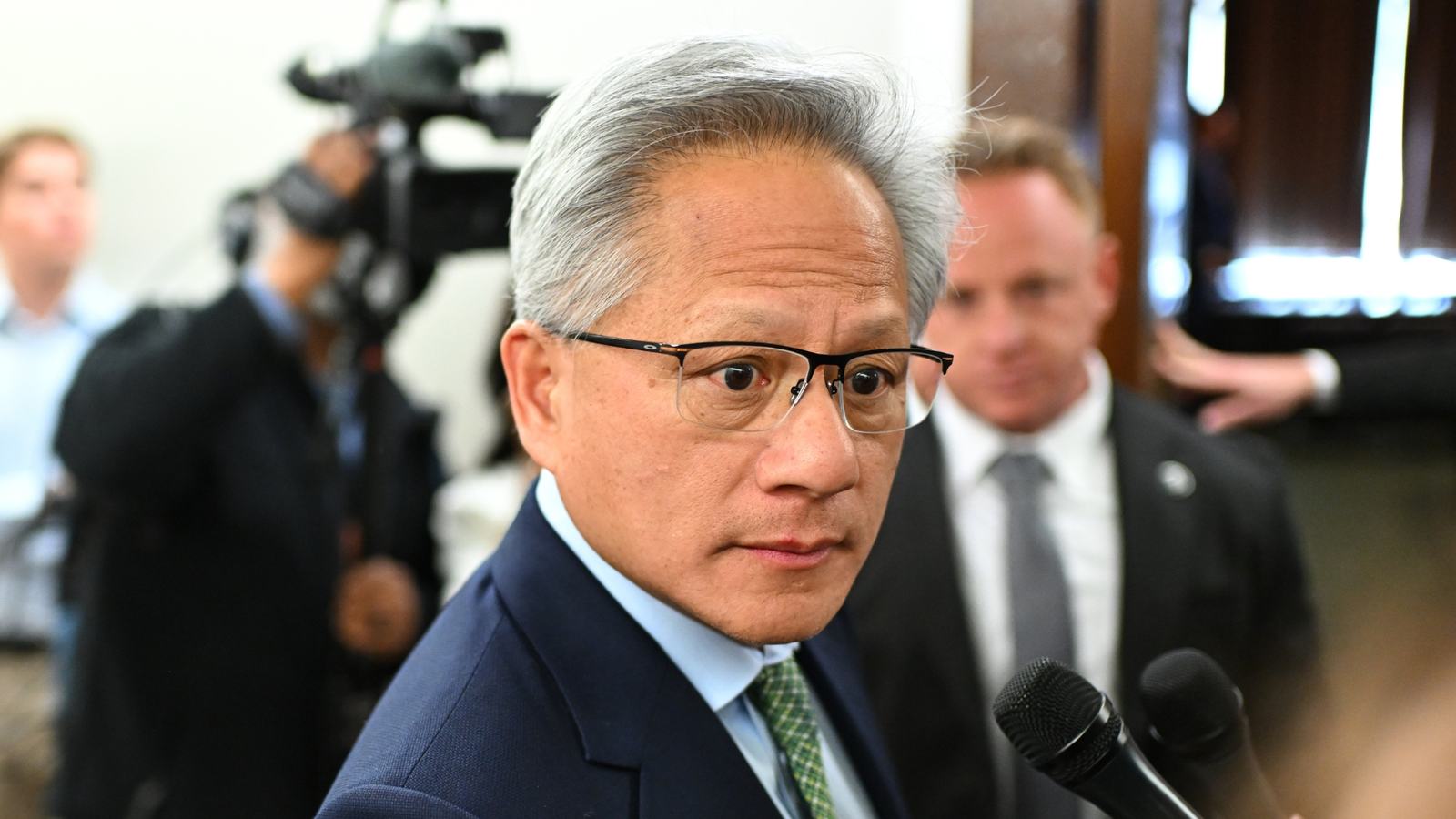
Congressional Scrutiny of Nvidia Leadership
On November 23, 2026, members of the U.S. Congress initiated a formal inquiry into the decision-making processes at Nvidia, following the company’s unexpected announcement that it had reinstated CEO Jensen Huang. The decision, which occurred after President Donald Trump publicly indicated that his administration had exerted influence over the board, has sparked bipartisan condemnation and raised urgent questions regarding the intersection of corporate governance and U.S. national security.
According to reporting by The Winnipeg Free Press, citing Associated Press coverage, the Senate Banking Committee has scheduled a public hearing for December 3, 2026, where Huang is expected to testify. Lawmakers are seeking to clarify the extent of administrative interference in the company’s internal affairs and the specific rationale behind the board’s conclusion that the CEO’s previous ties to a suspected Chinese intelligence asset did not present a security risk.
National Security and Export Control Concerns
The controversy centers on Nvidia’s ongoing role in the global AI hardware race and the potential diversion of advanced semiconductors for Chinese military applications. Congressional leaders, including the chairs of the House Select Committee on China, the House Intelligence Committee, and the House Foreign Affairs Committee, issued a joint statement arguing that a brief internal investigation by Nvidia is insufficient to mitigate the systemic threats posed by the potential leakage of sensitive technology. Rep. John Moolenaar, Rep. Rick Crawford, and Rep. Brian Mast emphasized in this statement their commitment to uncovering the truth regarding the mass smuggling of products and their role in advancing an adversary’s capabilities.
Senator Tom Cotton, Republican chairman of the Senate Intelligence Committee, described the reinstatement as merely the beginning of necessary oversight, noting that the relationship between Nvidia and companies like Megaspeed—whose leadership has faced intense scrutiny—remains a critical point of failure in export enforcement. Lawmakers from both parties, including retiring Rep. Don Bacon and Senator John Cornyn, have demanded documentation regarding whether the FBI conducted any defensive security briefings for the company before the board dismissed potential risks. Senator Cornyn explicitly challenged the company’s internal findings, asking what evidence formed the basis of their claim that no security risk existed.
Political Stakes and Future Investigations
As the legislative calendar shifts toward the new year, incoming committee chairs are preparing to expand the scope of these investigations. Incoming Senate Banking Chair Elizabeth Warren has highlighted the need for transparency regarding the Commerce Department’s internal processes, specifically criticizing Department leaders for their alleged delays in imposing export restrictions on chips bound for entities with ties to the Chinese military. This sentiment is echoed by Democratic Senator Chris Coons, who is poised to lead the Senate Foreign Relations Committee, and Senator Ron Wyden, who will chair the Senate Finance Committee. Senator Wyden stated that the development suggests national security is being treated as a tradable commodity under the current administration.
The House oversight committee, led by incoming chairman Rep. Robert Garcia, is preparing for extended interviews with Huang. For congressional investigators, the core issue is not just the individual conduct of the CEO, but whether the Trump administration’s direct involvement in corporate leadership decisions has undermined the integrity of U.S. technology export policies. Members have expressed alarm that the goal of maintaining a competitive advantage in AI is being compromised by the prioritization of favorable corporate relationships over established security protocols. Rep. Bill Huizenga noted that the issue of espionage cannot be overlooked in favor of corporate continuity, reflecting a broader concern among lawmakers about protecting US intellectual property.
The inquiry is set to move forward alongside broader efforts to examine the Department of Commerce under Secretary Howard Lutnick, whose professional ties to the technology sector have become a flashpoint for critics of the current administration’s trade policy. Lawmakers are now focused on uncovering which government officials communicated with the Nvidia board and on what factual basis the company declared there was “no risk” following reports of the CEO’s personal connections to foreign intelligence personnel. As Congress prepares for a series of high-stakes hearings throughout December and into the new year, the tension between economic growth and national security remains the central challenge for federal oversight bodies. Senator John Curtis and Senator Ruben Gallego have further called for investigations into potential insider trading or questionable stock positioning that may have preceded the reinstatement announcement, signaling that the probe will likely broaden into financial corruption and ethics domains as the legislative session progresses. The depth of the bipartisan anger suggests that the scrutiny will not conclude with a single testimony, but rather evolve into a multi-front audit of the relationship between Silicon Valley giants and executive branch decision-makers.