


A New Forensic Baseline for Combat Fatalities
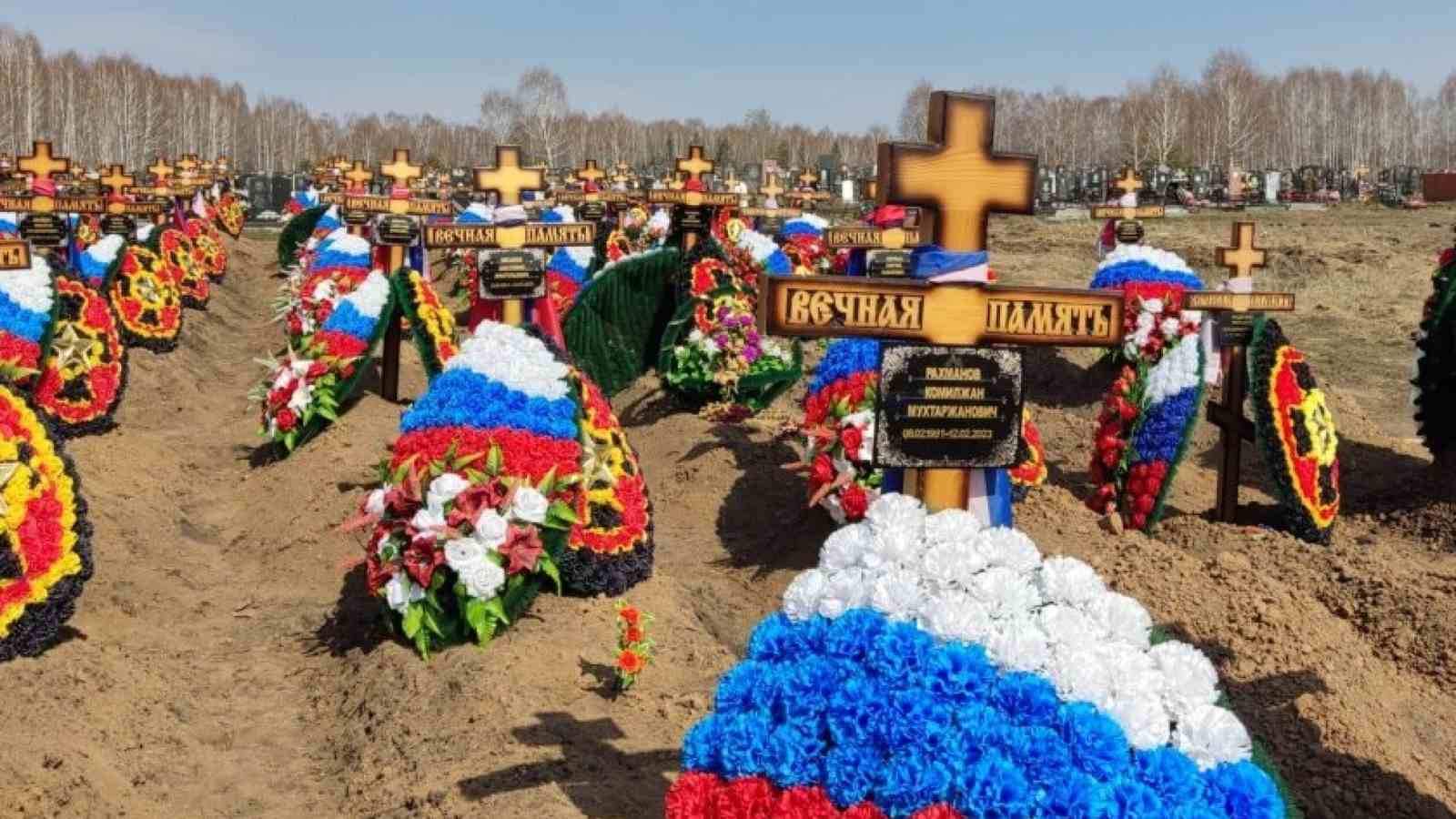
As of late November 2026, research into the human cost of the ongoing war in Ukraine has reached a new threshold. Independent Russian outlets Meduza and Mediazona have released a comprehensive analysis indicating that the number of Russian military personnel killed in the conflict has surpassed 700,000. This estimate, published alongside reporting on November 23, 2026, marks a significant departure from previous methodologies that relied primarily on public inheritance archives.
The researchers state that their new assessment is anchored in leaked data obtained from servers belonging to Rosstat, the Russian Federal State Statistics Service. By transitioning from the probate records—which often suffered from reporting delays and administrative gaps—to this proprietary database, investigators claim to have achieved a more robust forensic accounting of combat-related mortality. The Kyiv Independent reported that Rosstat has acknowledged unauthorized access to its servers, though the agency officially denied that any data leak involving casualty statistics occurred.
Methodological Shifts and the Inclusion of Missing Personnel
The primary driver behind the upward revision to the 700,000 figure is the inclusion of personnel classified as missing in action (MIA). While researchers previously estimated that registered combat deaths stood at approximately 490,000 by the autumn of 2026, the integration of missing service members fundamentally alters the scale of the human toll. Mediazona, which has systematically tracked casualty notifications and legal records since 2023, identifies more than 160,000 instances of soldiers documented as missing in action within the Russian military framework.
The reliance on Rosstat data allows for a granular cross-referencing of demographic and mortality indicators that were previously unavailable. Because the state registry inherently processes deaths for various social, insurance, and administrative purposes, it provides a broader scope than localized public notifications. The investigators emphasize that this figure—while inherently an estimate due to the obfuscation of state reporting—represents a consistent, evidence-based attempt to reconcile conflicting public data points against the reality of Russian mobilization losses.
Stakes and Institutional Context
The reported death toll serves as a stark counterpoint to the official government narrative regarding the conflict’s internal impact. Moscow has strictly controlled information concerning military losses since the invasion began in February 2022, often refuting external assessments or branding them as foreign disinformation. By utilizing administrative server data, this research challenges the official state transparency on the war’s duration and scope.
Concurrently, the General Staff of the Armed Forces of Ukraine continues to provide its own real-time estimates of Russian losses. As of November 22, 2026, Ukrainian military intelligence reported cumulative combat losses totaling approximately 1,637,170 personnel, a figure that includes both killed and wounded. While methodologies between independent investigative data and battlefield reports from the Ukrainian military differ significantly—with the latter focusing on neutralized combat power rather than verified deaths through administrative records—the sheer volume of data indicates that the conflict remains the most lethal in Europe since the Second World War. The discrepancy between the 700,000 mortality estimate and higher battlefield casualty counts underscores the complex nature of casualty reporting in high-intensity, peer-to-peer combat.