


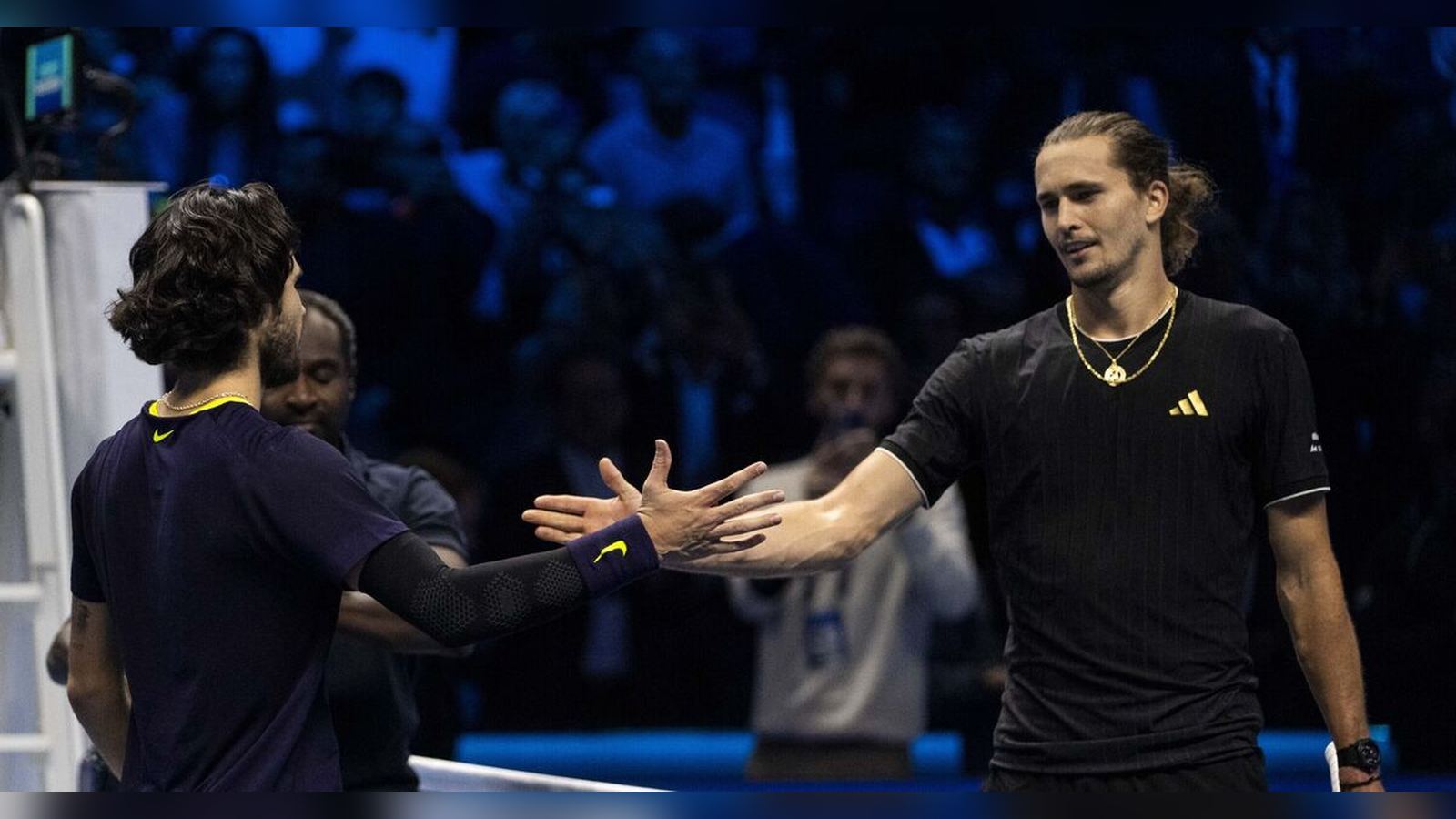
Public Backlash Follows ATP Finals Showdown
Former doubles star and coach Rennae Stubbs has publicly rebuked World No. 1 Alexander Zverev following the 2026 ATP Finals in Turin. The criticism, delivered via social media on November 23, 2026, targeted specific remarks Zverev made earlier in the year regarding Carlos Alcaraz’s extended absence from the tour due to injury. As reported in an article by the Daily Express, Stubbs labeled Zverev’s past conduct as “unnecessary,” highlighting that the German player’s dismissive attitude toward Alcaraz’s recovery period lacked empathy. The incident has reignited a debate regarding the boundaries of professional conduct among top-tier athletes, especially when injury management and career longevity are increasingly central to the sport’s discourse.
The controversy stems from an interaction during the Laver Cup in London in September 2026, where both players were representing Team Europe. During a joint press conference, when the topic of Alcaraz’s previous “burnout” arose, Zverev interrupted the Spaniard, stating, “You feel burned out? You had a four-month vacation.” At the time, Alcaraz had been sidelined recovering from a wrist injury that forced him to miss both Roland Garros and Wimbledon. Zverev further noted that he had played 98 matches during the Spaniard’s absence, a comment that many tennis observers and Stubbs herself characterized as insensitive and lacking in fundamental awareness of the physical and mental toll an injury takes on a professional competitor.
Tensions Resurface After ATP Finals Result
The friction between the two players regained prominence following the 2026 ATP Finals, where Alcaraz defeated Zverev 6-2, 7-6 to claim the title. According to reporting by Tennis Up To Date, Stubbs asserted that Alcaraz likely remembered the disparaging remarks, suggesting that the victory served as a definitive response on the court. While Alcaraz described the victory as the culmination of a “really difficult” period with his team, observers on social media were quick to link his performance to the earlier “vacation” comment, viewing the championship win as a narrative correction.
Stubbs expressed her frustration directly, stating, “I’ll never forget this! I thought it unnecessary to say to Carlos! He wasn’t on vacation he was INJURED! He was working his a** off in the gym & on court without using his wrist & probably stressed about his future! I bet he didn’t forget it either.” Her comments have resonated with a portion of the tennis community, many of whom have echoed her sentiments regarding a perceived lack of sportsmanship from the world No. 1. Critics argue that Zverev’s comments disregarded the reality that injury recovery involves intense rehabilitation, mental fatigue, and career uncertainty, factors that are far removed from the concept of a vacation.
Broader Implications for Player Dynamics
The incident highlights a growing shift in how player interactions and public comments are scrutinized by coaches and analysts. In the high-stakes environment of professional tennis, where physical recovery is a constant professional demand, Zverev’s attempt at humor was perceived by critics as a fundamental misreading of the pressures faced by his contemporaries. The fact that this exchange has been revisited following a major tournament final indicates that such moments are not merely fleeting locker-room banter but are recorded and remembered by participants and their support networks. As athletes face increasing pressure to perform, the demand for mutual respect becomes more pronounced among the elite.
For Zverev, the criticism serves as a reminder of the heightened scrutiny that accompanies his position at the top of the rankings. Following a year where he secured two Grand Slam titles, his public persona is subjected to intense evaluation. Conversely, Alcaraz’s success in Turin—defeating Zverev while playing some of his best tennis of the season despite a hamstring issue—has allowed him to shift the narrative from his injury-plagued early year to his current status as a dominant champion. The “karma” narrative pushed by some fans and analysts reflects the public desire for accountability within the professional circuit, where off-court comments are increasingly viewed through the lens of player respect and professional integrity. The ATP Tour continues to be defined by high-intensity competition, but as the sport evolves, the professional behaviors and verbal interactions of its stars remain under a constant spotlight. This episode confirms that while athletic performance is the primary metric for success, the interpersonal dynamics that define the tour are equally vital to its legacy and the relationships among its top competitors.
Looking forward, the interaction between Zverev and Alcaraz serves as a case study for future player relations. As these two stars prepare for the 2027 campaign, the history between them—both on the scoreboard and in the press room—will likely shape their interactions. The pressure to succeed in the Australian Open, where Alcaraz will be defending his momentum, combined with the lack of points he has to defend in the subsequent four-month period, sets the stage for a compelling rivalry. Whether Zverev addresses the public sentiment or moves past it, the memory of his “vacation” remark serves as a stark reminder of the long-term reach of words spoken in the heat of a press cycle.