


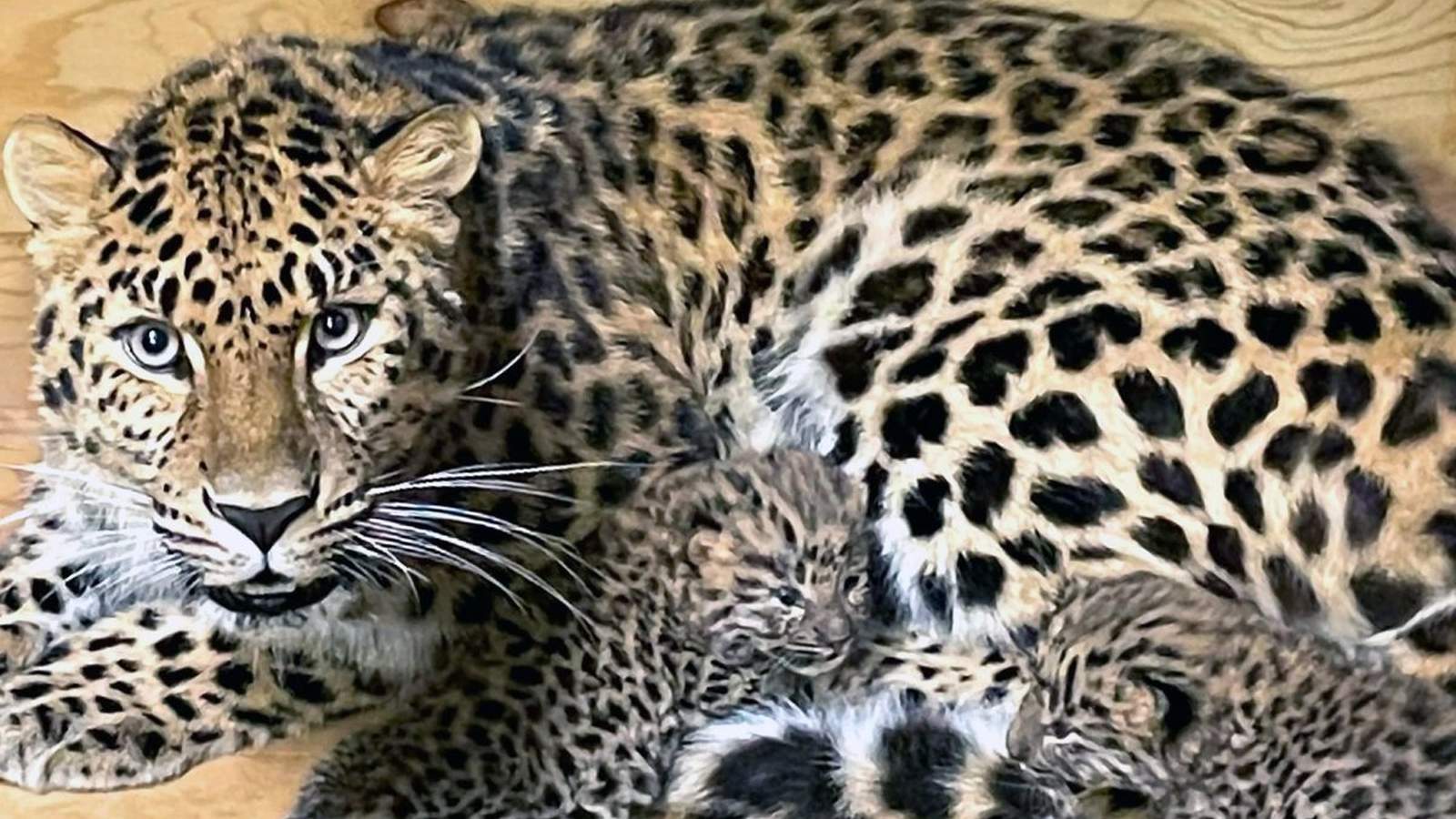
In a move that has stirred both applause and criticism, Aalborg Zoo in northern Denmark has publicly called on pet owners to donate their unwanted animals, including guinea pigs, rabbits, chickens, and even horses, to serve as food for its carnivorous residents. This initiative, announced via social media on August 5, 2025, aims to mimic the natural food chain and ensure the well-being of the zoo’s predators.
Aiming for Natural Feeding Practices
The Aalborg Zoo’s deputy director, Pia Nielsen, emphasized that the practice of feeding predators with whole prey is not new and is common in Denmark. According to Nielsen, offering meat with fur, bones, and other natural components is essential for maintaining the predators’ health and mimicking their natural feeding behaviors. “For many years at Aalborg Zoo, we have fed our carnivores with smaller livestock. When keeping carnivores, it is necessary to provide them with meat, preferably with fur, bones, etc., to give them as natural a diet as possible,” she said in a statement.
The zoo’s social media post explained that animals donated would be “gently euthanized” by trained staff before being served to the predators. This method, the zoo claims, ensures nothing goes to waste while promoting animal welfare and professional integrity. Predators such as the Asiatic lion, European lynx, and Sumatran tiger are among the zoo’s carnivorous residents that would benefit from this practice.
Public Reactions to the Controversial Appeal
The zoo’s request has sparked a lively debate online. Some people have commended the initiative for its ecological approach and emphasis on mimicking natural diets. Others, however, have criticized the idea of using pets, which many consider family members, as food for zoo animals.
One of the more polarizing aspects of the appeal is its inclusion of larger animals like horses. While the zoo clarified that their needs vary throughout the year and that there may even be a waiting list for donated animals, this specific detail raised eyebrows among animal rights advocates and the general public. As UPI reported, Aalborg Zoo has been transparent about its practices, stating that the initiative aligns with Denmark’s broader acceptance of using smaller livestock as food for carnivores.
Context and Historical Practices
This is not the first time Denmark’s zoos have faced scrutiny for their feeding and population control practices. In 2014, the Copenhagen Zoo euthanized a healthy young giraffe named Marius to prevent inbreeding. The giraffe’s carcass was used for research and as food for the zoo’s carnivores, a decision that drew widespread international criticism. Weeks later, the same zoo faced backlash for euthanizing four lions to make room for a new male lion, part of a breeding strategy.
Despite the controversies, zoos in Denmark have defended such decisions as necessary for maintaining ecological and biological balance. Aalborg Zoo’s current appeal for pet donations fits into this broader context of prioritizing natural behaviors and dietary needs for animals in captivity.
Balancing Ethics and Ecology
Critics argue that the emotional bond between humans and their pets makes the zoo’s request ethically complex. However, supporters highlight that the zoo is offering a sustainable alternative to disposing of animals that may otherwise be euthanized for unrelated reasons. “If you have a healthy animal that needs to be put down for various reasons, you are welcome to donate it to us,” the zoo stated, framing the appeal as an opportunity to contribute to ecological sustainability.
According to ABC15, the zoo has taken steps to ensure transparency, including openly discussing the logistics of the process and emphasizing that the practice is rooted in animal welfare principles. The inclusion of fur, bones, and other elements in the predators’ diets is seen as a way to encourage natural hunting behaviors, even within the confines of captivity.
The debate around Aalborg Zoo’s initiative highlights the broader challenges faced by zoos worldwide as they balance ethical considerations with the biological needs of their animals. By involving the public in their feeding practices, the zoo has opened a dialogue about the role of zoos in conservation and the ethical dilemmas inherent in maintaining captive ecosystems.
Ultimately, the Aalborg Zoo’s controversial appeal underscores the complexities of managing animal welfare in captivity while striving to remain ecologically responsible. As the debate continues, it raises important questions about the intersection of ethics, ecology, and public perception.