


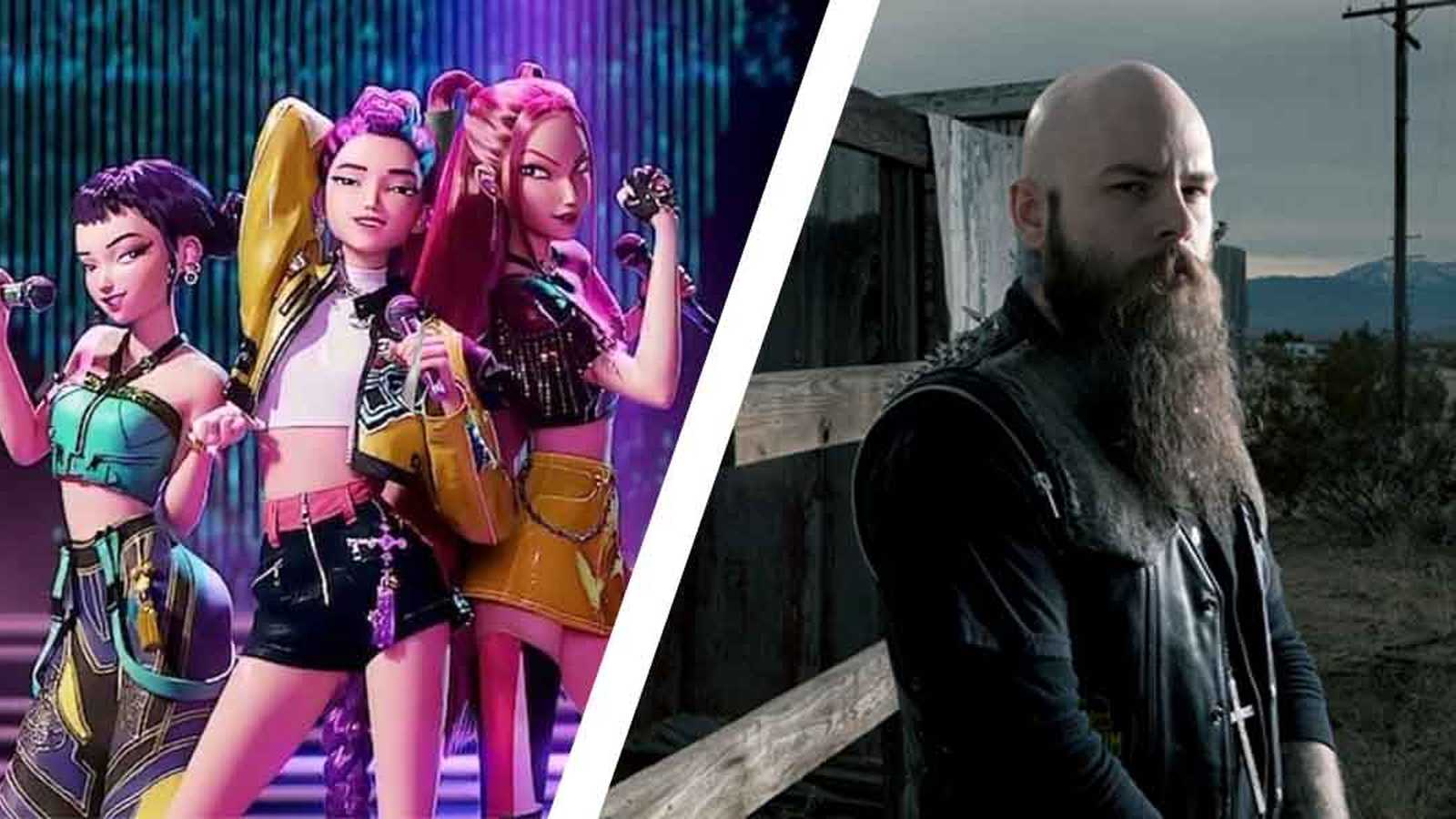
A Collision of Brands in the Marketplace
The long-standing Christian metal band Demon Hunter has initiated a federal trademark lawsuit against Netflix and concert promoter AEG Presents, alleging that the massive success of the ‘KPop Demon Hunters’ franchise has created an existential threat to the band’s identity. The lawsuit, filed on August 18, 2026, in the U.S. District Court for the Central District of California, contends that the overlap between the band’s established commercial footprint and the Netflix property is causing significant consumer confusion.
Demon Hunter, which has been active since the early 2000s, argues that its registered trademarks for live performances and apparel are being undermined by Netflix’s rapid expansion of its animated musical property. What began as a film in June 2025 has evolved into a global phenomenon, encompassing a chart-topping soundtrack, extensive merchandise lines, and a partnership with AEG Presents for a world tour. The band asserts that this expansion places the two entities in direct competition within identical commercial channels.
Instances of Consumer Confusion
Central to the band’s legal strategy is the assertion that consumers are already failing to distinguish between the two entities. The complaint highlights a specific incident in February 2026, where a customer allegedly spent $500 on tickets for a Demon Hunter concert under the mistaken belief that the show was a live production related to the Netflix film. The customer sought a refund, intending to redirect the funds toward a ‘KPop Demon Hunters’ event.
Further evidence cited by the band includes an interaction in March 2026, when an Inside Edition producer contacted the band’s management while searching for a songwriter associated with the Netflix franchise. The band also reports that its social media accounts have been frequently tagged in content intended for the Netflix property, which they argue dilutes their brand power and forces the smaller entity to compete against the reach of a global streaming giant.
The Legal and Commercial Stakes
The lawsuit seeks an injunction to prevent the use of the ‘KPop Demon Hunters’ name in music and live performance contexts, as well as monetary damages. Netflix has publicly rejected the allegations, stating that the claims are “without merit.” The company intends to defend its property, which it describes as an Academy Award-winning global phenomenon that has achieved significant chart success, including a Billboard No. 1 soundtrack.
For Demon Hunter, the issue is not merely about the name itself but about the control of their commercial future. The band argues that Netflix’s market power “overwhelms” their established identity. As the case moves forward, the court will be tasked with determining whether the common usage of the term “Demon Hunter” in an entertainment context constitutes trademark infringement or if the two brands can coexist despite the overlap in their target markets.