


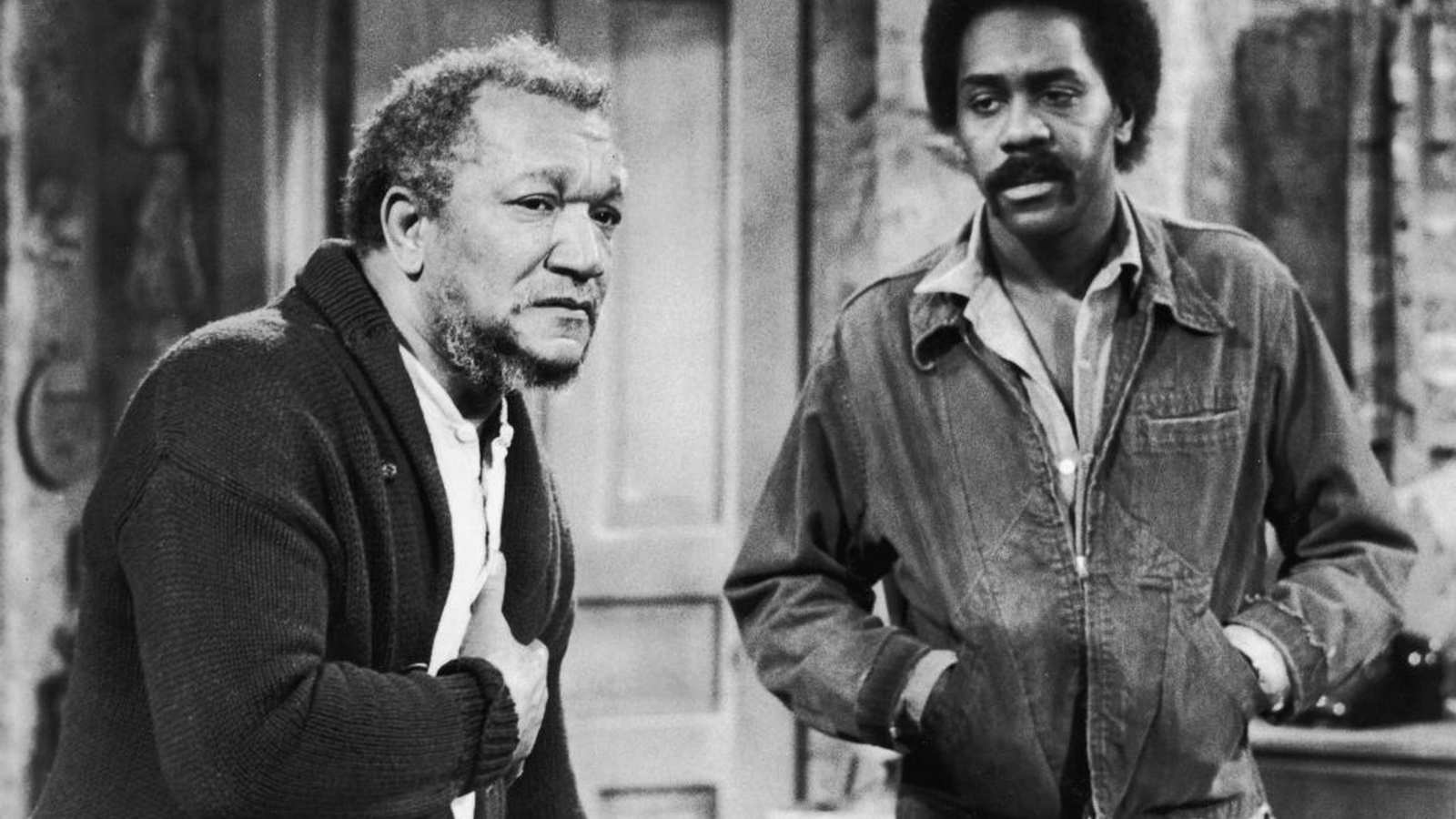
PALM SPRINGS (Azat TV) – Grady Demond Wilson, the celebrated actor who captivated audiences as Lamont Sanford in the iconic 1970s sitcom Sanford and Son, died on Friday at his home in Palm Springs, California, at the age of 79. His son, Demond Wilson Jr., confirmed to TMZ that his father passed away from complications related to a cancer diagnosis, the specifics of which were not immediately disclosed by the family. Wilson’s death marks the passing of the last surviving core cast member of the groundbreaking series, prompting a re-evaluation of his significant contributions to television history and his impactful life beyond the screen.
Remembering Demond Wilson’s Iconic Television Career
Born Grady Demond Wilson on October 13, 1946, in Valdosta, Georgia, Wilson grew up in New York City’s Harlem, where he began his acting journey at the tender age of four, appearing on Broadway in the play Green Pastures. He honed his craft studying at the American Community Theater and Hunter College, also receiving formal training in tap dance and classical ballet. After serving in the U.S. Army from 1966 to 1968, including a tour in Vietnam where he was wounded, Wilson returned to acting, performing in Broadway and off-Broadway plays before making his pivotal move to Hollywood.
Wilson’s career reached its zenith with his role as Lamont Sanford, the long-suffering son to Redd Foxx’s cantankerous Fred Sanford, in NBC’s Sanford and Son. The sitcom, which ran from 1972 to 1977, became a record-breaking production and one of the most popular shows of its era. Wilson’s portrayal of Lamont provided a crucial straight-man dynamic to Foxx’s comedic genius, cementing the duo’s place in television lore. Following his success on Sanford and Son, Wilson continued to work in television, starring in Baby… I’m Back! in 1978 and later taking on the role of Oscar Madison in ABC’s The New Odd Couple from 1982 to 1983. He also made appearances in popular shows like Mission: Impossible, The Love Boat, and Girlfriends, alongside film roles in productions such as Cotton Comes to Harlem, The Organization, and Me and the Kid. His final acting credit was in the 2023 drama Eleanor’s Bench.
A Pioneer for Representation in Television
Demond Wilson’s impact extended far beyond his memorable performances. In his 2009 autobiography, he reflected on the profound significance of his work with Redd Foxx, highlighting their role in transforming opportunities for minorities in entertainment. ‘Redd and I were making history back in those days. We were the first Blacks to be on television in that capacity and we opened the door for all those other shows that came after us,’ Wilson wrote, underscoring the groundbreaking nature of Sanford and Son as a mainstream success featuring Black leads.
His collaboration with Foxx not only entertained millions but also challenged prevailing industry norms, paving the way for greater diversity and representation in subsequent television productions. This pioneering spirit solidified his status as a pivotal figure in the evolution of American television, demonstrating the commercial viability and cultural resonance of stories centered on Black families.
Beyond the Screen: Faith and Service
Outside of his acting career, Wilson led a life marked by deep faith and dedicated service. A proud Vietnam War veteran, he served in the U.S. Army from 1966 to 1968. In the 1980s, he became an ordained minister, eventually founding the Restoration House of America, an organization committed to assisting former inmates in their reintegration into society. Through this initiative, Wilson applied the same dedication he brought to his acting to a mission of social good, providing crucial support and guidance to those seeking a second chance.
Wilson was also an author, penning a memoir and several Christian books, further reflecting his spiritual convictions and commitment to sharing his journey. He is survived by his wife, former model Cicely Johnston, whom he married in 1974, and their six children. His son, Demond Wilson Jr., shared a heartfelt tribute, stating, ‘I love him. He was a great man.’
Demond Wilson’s passing represents not just the loss of a beloved actor, but also a moment to reflect on a career that profoundly shaped television’s landscape, demonstrating how compelling storytelling and authentic representation could break barriers and inspire future generations. His commitment to both his craft and community leaves an indelible mark.