


New Legislative Authority
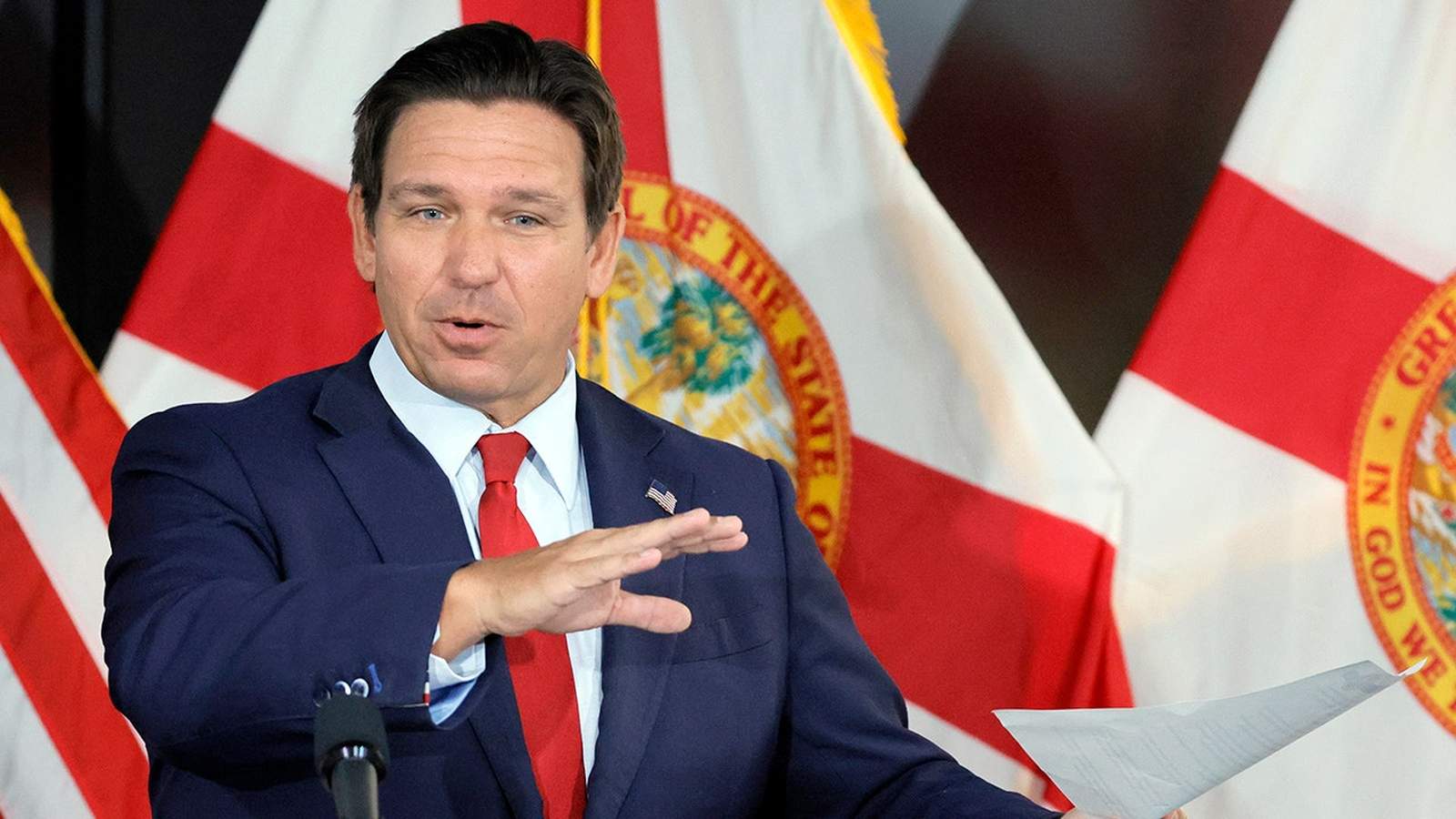
Florida Governor Ron DeSantis announced on Wednesday that the state is moving to designate the Council on American-Islamic Relations (CAIR) Florida, the Muslim Brotherhood, and Antifa as domestic terrorist organizations. The move follows the enactment of HB 1471, which empowers the Florida Department of Law Enforcement (FDLE) to label organizations as terrorist entities based on evidence of engagement in terrorist activity and threats to state or national security.
The legislation, which went into effect early Wednesday, requires the FDLE to submit recommendations to the governor and the state Cabinet. DeSantis stated that he intends to convene an emergency conference call with the Cabinet—comprised of Agriculture Commissioner Wilton Simpson, CFO Blaise Ingoglia, and Attorney General James Uthmeier—to finalize the designations. The governor expressed confidence that the Cabinet, all of whom are Republicans, will approve the measures.
Legal and Political Stakes
This initiative represents a significant escalation in the governor’s ongoing conflict with civil rights groups. Previous attempts to designate CAIR as a terrorist entity via executive order were blocked by a federal court in March, with U.S. District Judge Mark Walker issuing a temporary injunction. DeSantis acknowledged the past legal hurdles, noting that the state needed to create a formal “legal structure” to reinforce these designations.
Civil liberties organizations have signaled an immediate intent to challenge the new law. The Southern Poverty Law Center and the ACLU have vowed to fight the designations in court, arguing that the state is attempting to silence political dissent and punish civil rights nonprofits without due process. Hiba Rahim, interim executive director of CAIR Florida, stated that the governor is “declaring guilt by proclamation” rather than relying on criminal findings or judicial review.
Broader Policy Context
The terrorist designation is part of a wider series of controversial policy moves by the DeSantis administration this week. Alongside the new security measures, the Florida Board of Education recently voted to bar undocumented students from attending state-funded colleges and universities, a move that critics argue contradicts the state’s long-term educational goals. Furthermore, the governor’s recent $118 billion budget signing included $810 million in line-item vetoes, which eliminated funding for various social services, including senior care programs and community support initiatives.
While supporters of HB 1471 argue it provides necessary tools to deny public funding and contracts to organizations deemed harmful, opponents contend the law grants excessive, unilateral power to state officials. As the state moves toward these designations, the intersection of executive authority, constitutional protection, and public funding remains a flashpoint in Florida politics.