


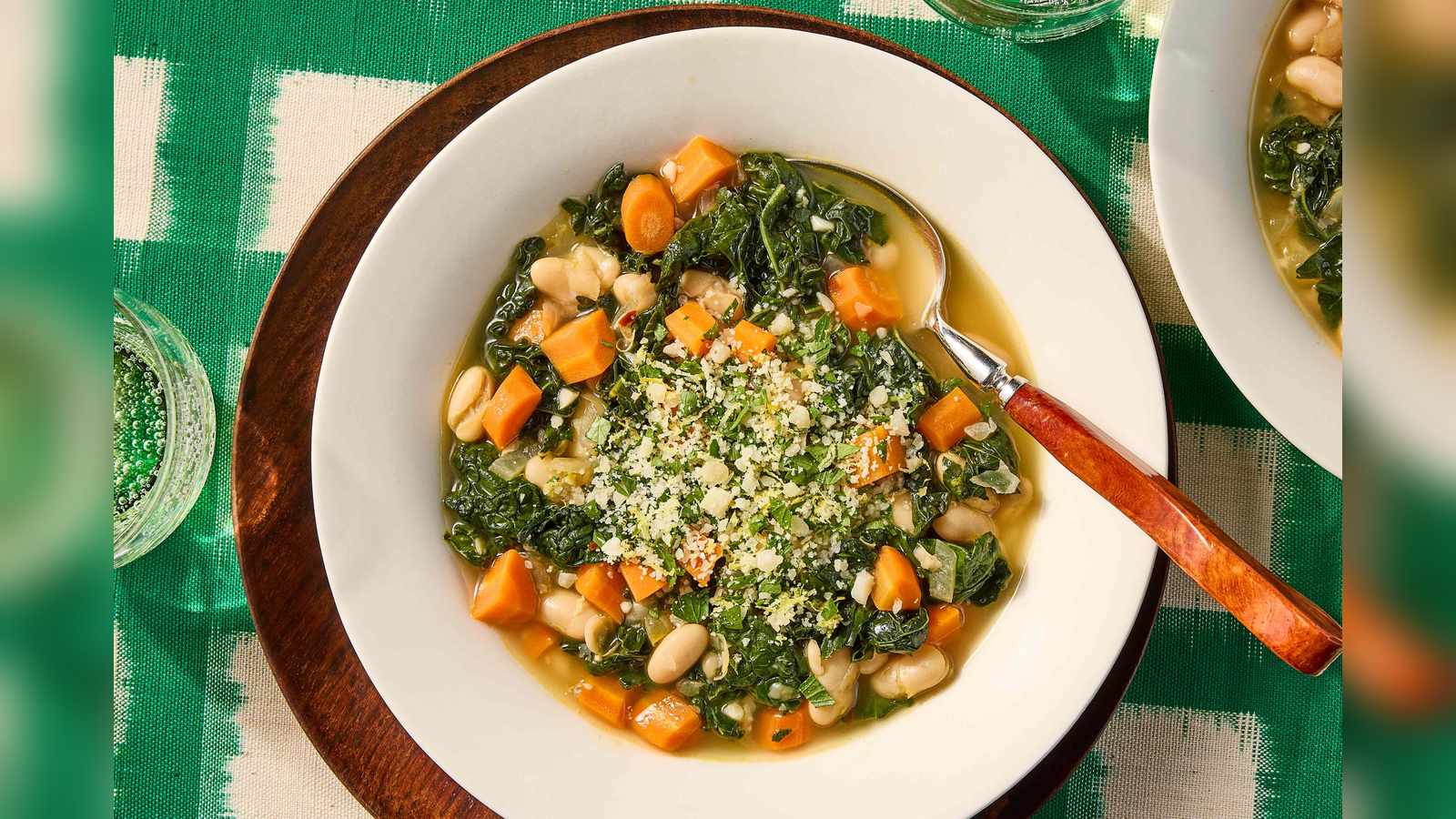
Dietitians and nutrition specialists have outlined six nutrient-dense leafy greens rich in bioactive compounds linked to managing chronic inflammation, according to a reviewed nutritional guide published by AOL on August 22, 2026. While short-term inflammation acts as a normal healing response to acute issues like a cold, chronic inflammation can contribute over time to cardiovascular disease, metabolic syndrome, and blood sugar management challenges, notes Ginger Hultin, a doctor of clinical nutrition and registered dietitian nutritionist.
Although no single food can instantly reverse chronic inflammation, incorporating a variety of nutrient-rich vegetables into weekly meal routines supports overall health patterns similar to the Mediterranean or MIND diets. The published guidance highlights six specific leafy greens, detailing their active compounds and practical preparation methods for everyday meals.
Understanding the Role of Cruciferous Greens
Arugula, a peppery cruciferous green also known as rocket in Europe, serves as a concentrated source of quercetin and glucosinolates. These plant compounds are studied for their potential to block inflammatory pathways. Additionally, arugula provides dietary nitrates associated with supporting healthy blood pressure levels, a factor closely tied to vascular health. Nutritionists suggest tossing fresh arugula with olive oil, lemon juice, Parmesan, and pine nuts, or using it as a raw topping for pizza and pasta dishes.
Bok choy, recognized widely as Chinese cabbage, offers substantial amounts of vitamins C and K alongside beta carotene and folate. Researchers are currently exploring how bok choy supports the gut microbiome and helps strengthen the intestinal barrier, which may ease inflammation associated with gut disorders such as colitis and inflammatory bowel disease. Culinary applications range from raw additions to noodle soups in the final minutes of cooking to grilled or lightly sautéed stir-fry dishes with garlic sauce.
Spinach, Kale, and Collard Greens in Daily Nutrition
Spinach remains one of the most thoroughly researched leafy greens regarding oxidative stress and inflammation. A study involving athletes indicated that a week of raw spinach consumption positively influenced inflammatory markers following intense physical exertion. A single raw cup delivers over 100 percent of the daily value for vitamin K, alongside dietary nitrates that support endothelial function. Experts recommend blending spinach into fruit smoothies or incorporating it into egg bakes and omelets.
Kale, another cruciferous staple highlighted by registered dietitian Lizzie Streit, contains an array of bioactive compounds including flavonoids and carotenoids that inhibit inflammatory pathways. Because of its robust and bitter flavor profile, Streit recommends massaging the fibrous leaves with olive oil and acidic ingredients like lemon juice or apple cider vinegar to soften the texture.
Collard greens represent a budget-friendly option traditionally featured in Southern cuisine. Rich in glucosinolates, fiber, calcium, and manganese, collards can be quickly braised in vegetable or chicken stock with a splash of vinegar to preserve heat-sensitive nutrients compared to traditional long-cooking methods. Dietitian Jackie Topol also suggests blanching whole leaves to use as a substitute for sandwich wraps or tortillas.
Watercress and Broader Dietary Patterns
Watercress rounds out the list as a nutrient-dense green packed with bioactive compounds that positively impact inflammatory markers. Its peppery flavor profile requires minimal preparation, pairing well with a simple drizzle of olive oil, lemon, and flaky salt, or integrated into quick stir-fries with sesame oil, ginger, and garlic.
Health experts emphasize that eating to reduce inflammation relies on consistent dietary patterns rather than isolated food choices. Rotating these six leafy greens through salads, soups, smoothies, and sautés helps build a sustainable foundation for long-term wellness and disease prevention.