


The Intersection of Grief and Technology
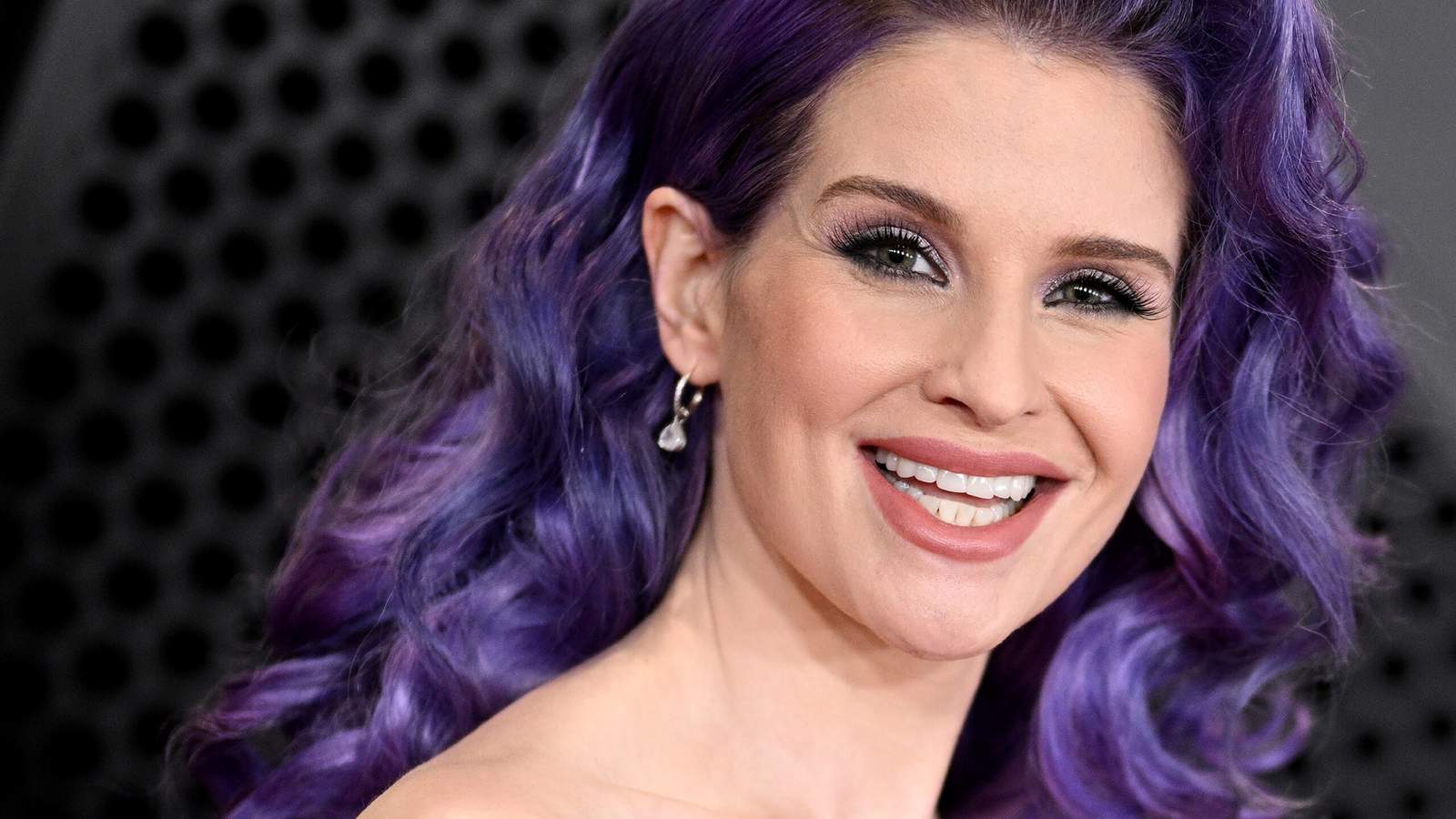
In May 2026, the Osbourne family found themselves at a poignant crossroads of personal mourning and high-tech innovation. Kelly Osbourne, the youngest daughter of the late rock legend Ozzy Osbourne, shared a deeply personal tribute from her home in Iowa, reflecting on the lingering absence of her father, who passed away in July 2025. Her public expression of grief—described as reaching for him in “ordinary moments”—stands in stark contrast to the simultaneous announcement by Sharon and Jack Osbourne regarding the creation of an AI-powered digital avatar of the “Prince of Darkness.”
The Digital DNA Project
Announced at the Licensing Expo 2026 in Las Vegas, the project is a partnership between the Osbourne estate, Hyperreal, and Proto Hologram. According to representatives, the AI is designed to possess the “digital DNA” of Ozzy Osbourne, encompassing his voice, image, and specific movement patterns. Unlike pre-rendered holograms of the past, this technology claims to facilitate real-time interaction, allowing fans to speak with a digital version of the artist that responds in kind.
Remington Scott, CEO of Hyperreal, emphasized that the project is built upon “authenticated source material,” intended to preserve the unique intimacy Ozzy shared with his audience. Jack Osbourne noted that the process has become remarkably accessible, suggesting that the technology now allows for a “drag-and-drop” approach to generating commercial content, effectively ensuring that the artist’s persona remains active indefinitely.
The Ethical Landscape of Post-Mortem Persona
The transition from a grieving family member to a corporate entity managing a “digital asset” highlights the shifting boundaries of celebrity legacy. While the family maintains that the initiative is controlled, consented, and curated, the broader implications of “digital immortality” remain a subject of intense scrutiny. Critics argue that the commodification of a deceased person’s likeness—even with familial consent—risks diluting the authenticity of the artist’s life and work. Conversely, proponents argue that such tools offer a new medium for fan engagement and the preservation of cultural icons in an increasingly digital landscape.
Kelly Osbourne’s recent attempts to repurchase the family’s iconic home from MTV’s The Osbournes further illustrates the family’s ongoing struggle to reconcile their private memories with their public, highly documented history. Whether seeking comfort in the physical artifacts of the past or leaning into the technological possibilities of the future, the Osbourne family remains a case study in how modern fame is negotiated after death.
The juxtaposition of Kelly Osbourne’s raw, human grief and the polished, corporate rollout of the “Digital Ozzy” underscores a fundamental tension in contemporary society. As technology grants us the power to simulate the presence of those we have lost, the line between honoring a legacy and manufacturing a product becomes increasingly blurred. For the Osbourne family, and for the public at large, the challenge lies in determining whether these digital avatars serve to celebrate a life or merely extend the lifespan of an intellectual property. Ultimately, the industry must grapple with whether such innovations provide genuine solace or if they fundamentally alter the nature of human remembrance.