


Starlink Access Restored Following Restrictions
Ukraine’s Ministry of Defense confirmed on Saturday that access to the Starlink satellite network and its military-grade variant, Starshield, has been fully restored. The resolution marks the end of a week-long period of significant connectivity disruptions that hindered frontline operations, drone logistics, and critical communications for Ukrainian forces. According to reports, the restoration followed intense diplomatic efforts between Kyiv and Washington, aimed at addressing the operational vulnerabilities created by the sudden service degradation.
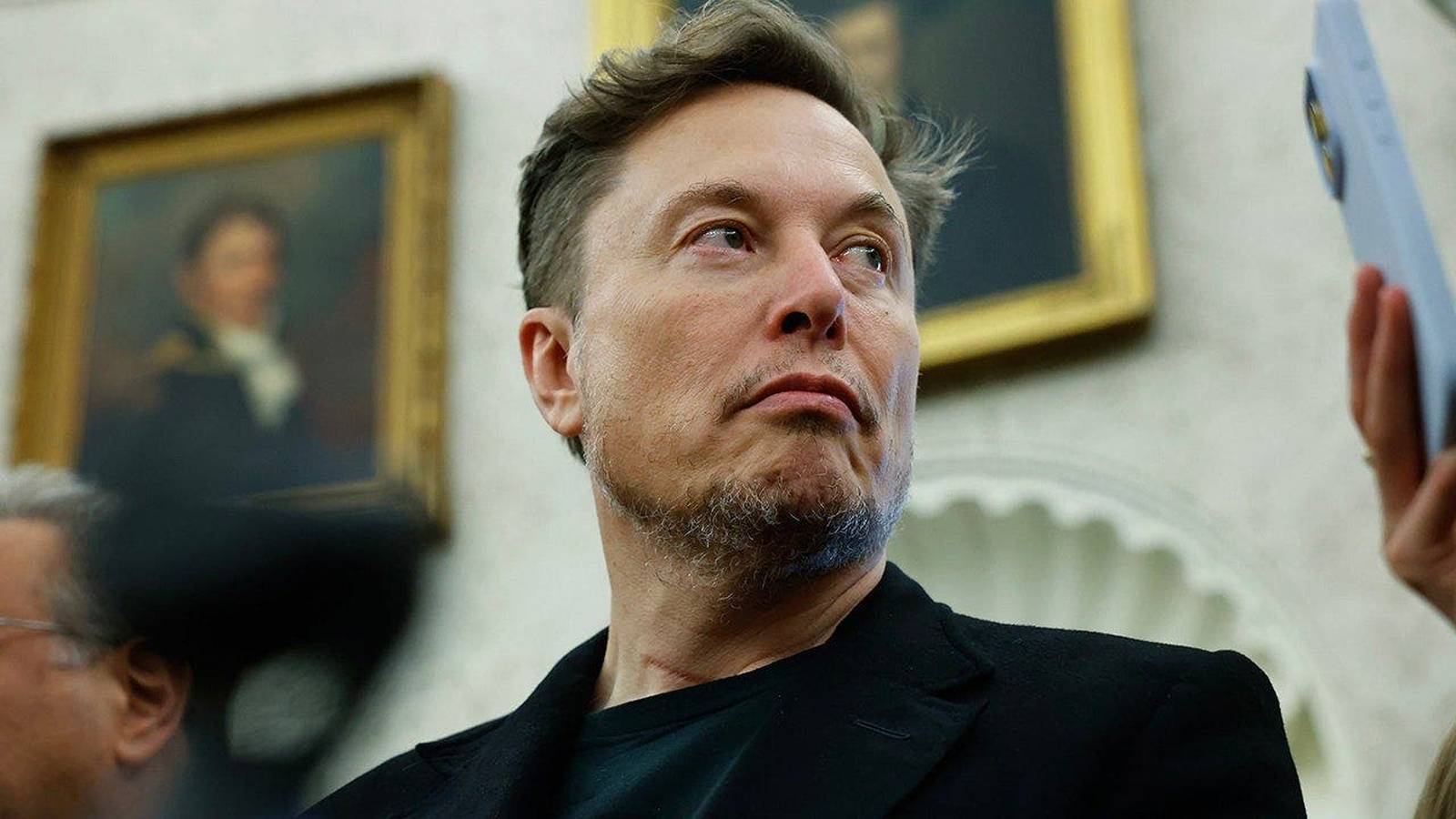
SpaceX founder Elon Musk addressed the controversy directly on X, confirming that he had personally ordered the restrictions. Musk asserted that the decision was a direct response to the Ukrainian military’s use of the civilian-commercial Starlink network for offensive drone strikes. “Using Starlink, a civilian commercial service, for offensive drone strikes to kill people has never been allowed, nor should it be,” Musk wrote. He stated that the “loophole” enabling such use had been identified and closed by his company the previous week. While Musk acknowledged the restriction, he maintained that the military-grade Starshield system is controlled by the U.S. government, stating, “What they decide to do is up to them.”
Operational Stakes and Policy Disagreements
The restrictions caused deep concern among Ukrainian officials, who rely on the satellite network to maintain a defensive posture against persistent Russian advances. Ukrainian President Volodymyr Zelenskyy noted that the restoration of speeds is vital for frontline logistics and defense against Russian Shahed drones. Musk emphasized that the technology remains a critical pillar of Ukraine’s defense, noting that without it, the front line would likely collapse. “SpaceX has done more to defend Ukraine than any private company on Earth by far,” Musk stated, while also expressing strong personal opposition to those advocating for the continuation of the conflict.
The situation was marked by conflicting reports regarding the origin and authorization of the decision. While Musk previously suggested that usage limits were determined by the U.S. military and the White House, officials in the U.S. government, including Secretary of State Marco Rubio and War Secretary Pete Hegseth, have denied that the administration was responsible for the slowdown. A source familiar with the situation informed Fox News that Ukrainian forces were initially warned of speed restrictions on platforms moving at high velocity—specifically those exceeding 100 mph—without prior notification. By Saturday, however, Ukrainian defense officials confirmed that connections had returned to stable speeds, reaching up to 250 mph.
Diplomatic Context and Future Negotiations
The episode occurred amid a broader shift in the regional conflict. As diplomacy continues, President Zelenskyy has indicated an openness to freezing the conflict along current front lines. Furthermore, Russia has agreed to resume three-way negotiations with Washington and Kyiv next month. These developments may significantly influence the future operational requirements and policy frameworks for satellite communications in the region. Despite the tensions, the immediate restoration of connectivity provides a reprieve for Ukrainian forces as both sides continue to engage in high-intensity drone and missile strikes, including recent Ukrainian operations targeting industrial facilities deep within Russian territory.
Reporting source: foxnews.com.