


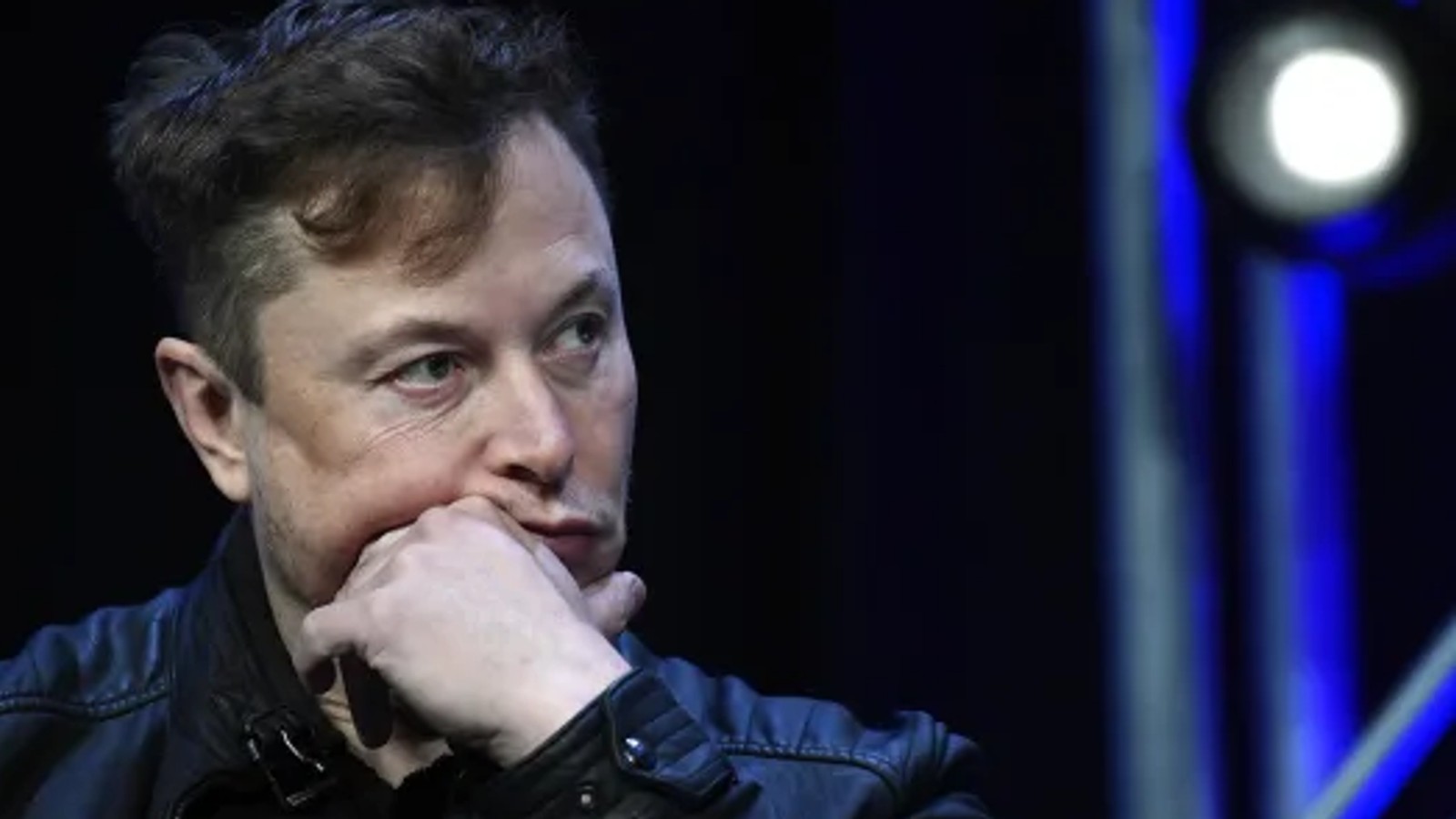
Elon Musk is navigating a series of intensifying global confrontations this April, as his business interests face significant legal and regulatory friction in South Africa, the United States, and beyond. The billionaire entrepreneur, who has built an empire on challenging established norms, is currently contending with accusations of “legal ambushes” in his high-stakes lawsuit against OpenAI, while simultaneously alleging systemic corruption within South African telecommunications oversight.
OpenAI legal battle enters volatile phase
As the April 27 trial date approaches in the legal battle between Elon Musk and OpenAI, tensions have reached a boiling point. OpenAI recently accused Musk of orchestrating a last-minute “legal ambush” by filing late-stage amendments to his complaint, which seeks between $79 billion and $134 billion in alleged “wrongful gains.” The AI company, in a filing on Friday, claimed that Musk is attempting to “inject chaos into the proceedings” and manipulate public perception rather than focusing on the legal merits of his 2024 lawsuit, which accuses OpenAI of abandoning its non-profit roots for a for-profit partnership with Microsoft.
Allegations of bribery in South Africa
Simultaneously, Musk has launched a sharp critique of South Africa’s regulatory environment, specifically regarding the licensing of Starlink. Musk, a Pretoria native, alleged that his company has been denied market access due to Broad-Based Black Economic Empowerment (B-BBEE) policies, which mandate specific racial ownership quotas for foreign firms. In a post on X, Musk claimed that Starlink was repeatedly offered opportunities to bypass these requirements through bribery—a practice he stated he refused on principle. South African officials have not yet issued a formal rebuttal to these specific allegations, maintaining that all entities must adhere to national laws designed to address historic economic disparities.
Infrastructure claims and the Boring Company
Beyond his legal and regulatory disputes, Musk continues to challenge the efficiency of public infrastructure projects. Following reports that California’s high-speed rail project costs have surged to $126 billion, Musk claimed he could deliver a superior transit solution, citing bureaucracy and mismanagement as the primary hurdles for current state-led efforts. However, his assertions have faced skepticism from industry experts who point to the limited scale of his own Boring Company projects, which have yet to achieve the operational scope or efficiency of high-speed rail systems currently being built internationally.
The confluence of these disputes suggests that Musk’s strategy of aggressive public confrontation is increasingly meeting resistance from established institutional frameworks, testing whether his influence can override local regulatory mandates and complex corporate litigation.