


The 2026 tennis season has barely begun, yet it’s already serving up a familiar, unwelcome storyline: injuries. British tennis star Emma Raducanu, once again, finds herself sidelined, withdrawing from her highly anticipated United Cup opener against Japan’s Naomi Osaka. This latest setback casts a shadow over her return to competitive play and highlights a growing concern about player well-being in the demanding early weeks of the tour.
Raducanu’s absence, attributed to an unspecified injury, was announced just an hour before she was due on court in Perth. It’s a disheartening start for the 23-year-old, who had ended her 2025 season prematurely in October, hoping to build a strong foundation for the new year. Her withdrawal instantly dampened the excitement surrounding one of the tournament’s marquee matchups, leaving fans and pundits questioning the long-term implications for her career.
Raducanu’s Absence and Team GB’s Battle
With Raducanu out, Great Britain’s hopes for a strong start in Group E against Japan faced an immediate challenge. Katie Swan, 26, stepped in as her replacement to face the formidable Naomi Osaka. Swan, primarily an ITF circuit player, had not competed in a tour-level event for over two years, making her last appearance as a wild card at the 2023 Wimbledon Championships. Despite her best efforts, Swan succumbed to Osaka with a 7-6 (4), 6-1 defeat.
The impact of Raducanu’s withdrawal extended beyond the women’s singles. Great Britain’s men’s No. 1, Jack Draper, had also been forced to pull out of the United Cup entirely due to ongoing recovery from bone bruising to his left arm, an injury expected to keep him off court for at least six months. Billy Harris replaced Draper and delivered a strong performance, defeating Shintaro Mochizuki 7-6 (4), 6-3, providing a crucial point for Team GB amidst the team’s challenges.
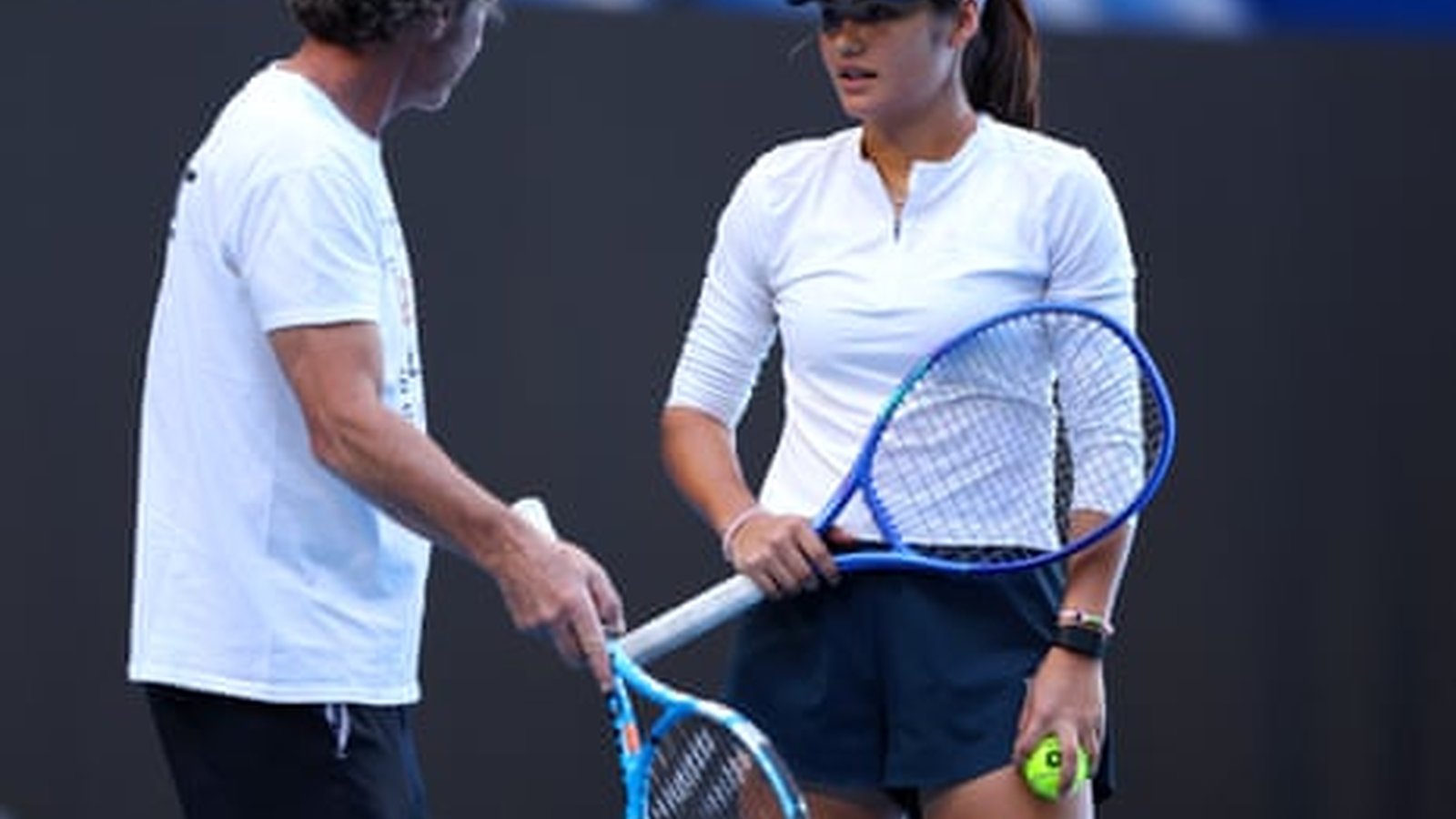
Despite her inability to play, Raducanu remained a visible presence, cheering loudly from the bench alongside her coach, Francisco Roig. Her commitment to the team, even while injured, was evident. Great Britain’s captain, Tim Henman, expressed hope that Raducanu’s injury would not force her to miss the entire tournament, as reported by Sky Sports. ‘It was not an easy decision. She had been building up and practicing really well,’ Henman stated, underscoring the unexpected nature of the withdrawal.
A Season Start Plagued by Physical Ailments
Raducanu’s situation is unfortunately not an isolated incident at the United Cup, nor is it unique to Team GB. The early weeks of the 2026 season have seen a worrying trend of physical issues affecting numerous top players. Naomi Osaka herself admitted that her final preparations for the tournament were hampered by illness, which was noticeable with her continual coughing during her opening loss to Maria Sakkari. Osaka, who gave birth to a daughter in mid-2023, is still finding her rhythm, though her run to the semifinals of the 2025 US Open showed glimpses of her elite form returning.
Further compounding the issue, American star Taylor Fritz struggled with a knee injury during his opening loss to Sebastián Báez. Even Billy Harris, Raducanu’s teammate, battled a fever in the lead-up to the season, as noted by The Guardian. The intense demands of the professional circuit, especially after the off-season, often lead to players pushing their bodies to the limit, resulting in these early-season ailments. The quick transition from training to high-stakes competition can be brutal, and the cumulative toll on athletes’ bodies is becoming increasingly apparent.
The United Cup, a mixed-team event, adds another layer of complexity. With 18 countries split into six groups, players face both singles and potentially mixed doubles matches, requiring versatility and endurance right from the get-go. While the format offers exciting team dynamics, it also means less individual control over schedules and potentially more strain in unfamiliar partnerships.
The Unpredictable Path Forward for Elite Tennis
For players like Raducanu, who have grappled with a series of injuries since her sensational 2021 US Open win, each setback feels magnified. Her career since then has been a stop-start affair, marked by promising moments interspersed with extended periods of recovery. The mental fortitude required to repeatedly bounce back from physical ailments is immense, often as challenging as the physical rehabilitation itself.
The current landscape of professional tennis, with its relentless schedule and high-intensity play, demands peak physical condition year-round. Yet, the human body has its limits. The prevalence of early-season withdrawals and ongoing physical complaints among players raises important questions for the sport’s governing bodies, including the WTA Tour, about scheduling, player welfare, and the long-term sustainability of careers. Could more extended off-seasons or revised tournament structures help mitigate these issues? It’s a debate that gains more urgency with each prominent withdrawal.
While the absence of top players like Raducanu and Draper creates opportunities for lesser-known talents to step into the spotlight – as Katie Swan and Billy Harris did for Great Britain – it also underscores the fragility of the elite level. Fans come to see the biggest names, and their consistent presence is vital for the sport’s appeal and commercial success. The narrative of resilience is powerful, but it’s one players are being forced to write far too often.
The early 2026 season has starkly revealed the precarious balance between athletic ambition and physical vulnerability in professional tennis. Emma Raducanu’s latest injury, alongside numerous others, isn’t just a personal setback but a symptom of a systemic challenge, prompting a critical re-evaluation of how the sport can better protect its most valuable assets: the players themselves.