


Operational Readiness and Strategic Signaling
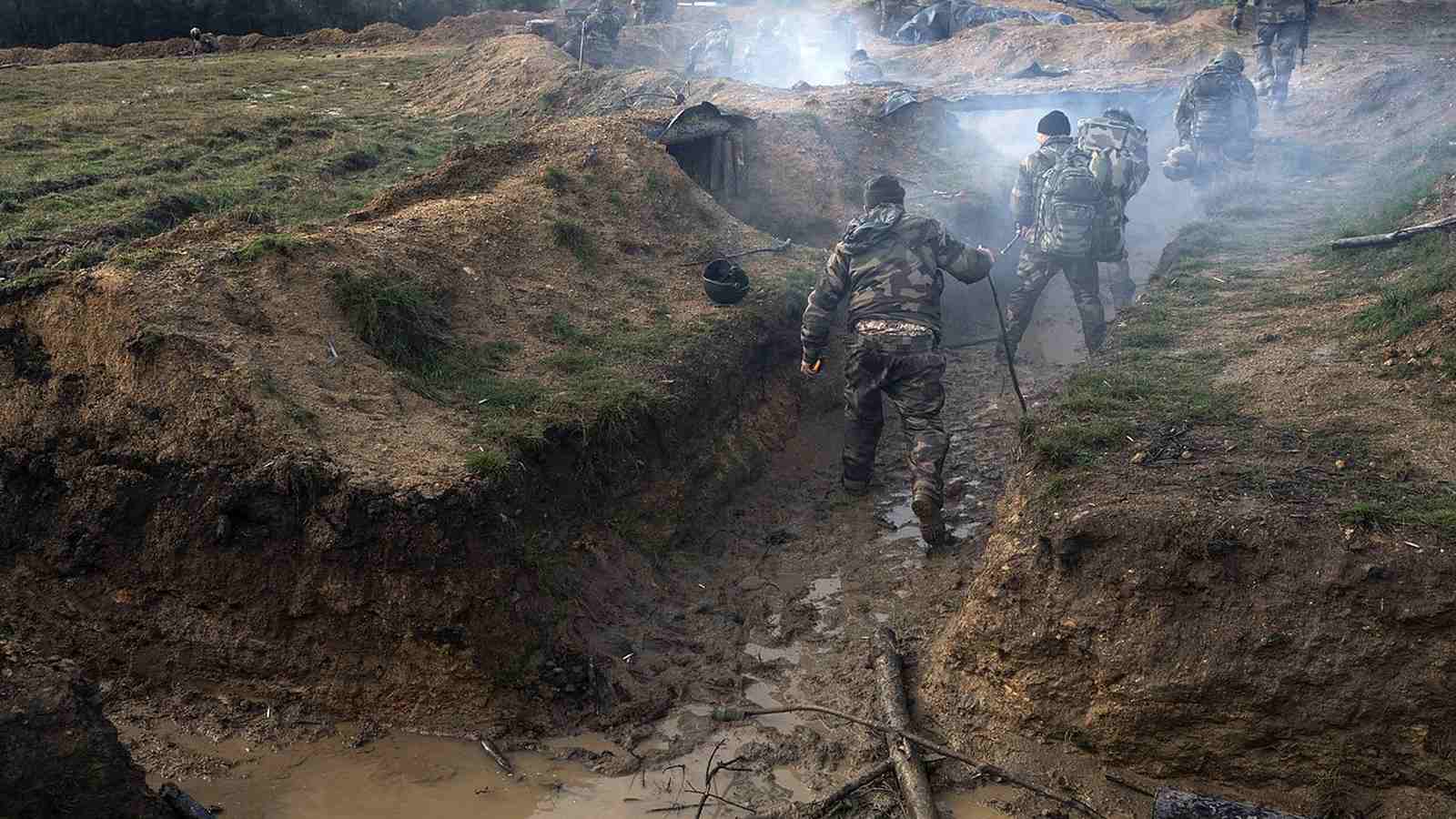
Beginning on November 9, 2026, thousands of troops from 11 European nations launched a series of unprecedented military exercises in southeastern Poland. These two-week drills, which concluded in late November, serve as the first comprehensive operational test for the “Coalition of the Willing,” a multinational group of 37 countries supporting Kyiv. As reported by LRT, the initiative is designed to validate deployment logistics, command structures, and interoperability for a potential postwar mission aimed at stabilizing Ukraine and rebuilding its armed forces. The military exercises represent a concrete operational test for European nations preparing non-NATO security guarantees and postwar stabilization efforts for Ukraine, shifting the focus from purely supply-based support to direct, albeit defensive, military readiness.
The exercises, centered near the town of Nowa Deba, involved approximately 2,800 personnel from nations including France, the United Kingdom, Germany, Lithuania, Belgium, Estonia, the Netherlands, Spain, and Sweden. While Poland provides essential logistical support, Turkey is involved indirectly through command centers in Istanbul. The multinational force, organized under the Multinational Force Ukraine (MNF-U) framework, aims to provide security guarantees that would allow for the reopening of Ukrainian airspace and de-mining operations in the Black Sea. French President Emmanuel Macron confirmed that 1,100 of the total personnel were French, noting that the coalition is managing a complex array of terrestrial, air, and maritime operations.
Security Context and Geopolitical Stakes
The drills took place against a backdrop of high-level diplomatic efforts in Berlin, where nearly 40 delegations gathered to discuss postwar security arrangements. The coalition’s posture is intentionally dual-purpose: it functions as a practical rehearsal for stabilization tasks while sending a clear signal to both Moscow and the incoming Trump administration that European powers are prepared to take a leading role in regional security, even in the absence of a formal NATO Article 5 commitment. This autonomy is critical as the coalition seeks to maintain a credible deterrent while navigating the uncertainty of US policy shifts.
The urgency of these preparations was underscored by an incident during the exercises. Polish Prime Minister Donald Tusk reported that a Russian missile crashed near the Polish-Ukrainian border on November 20, approximately 75 kilometers from the drill site. Polish Defense Minister Władysław Kosiniak-Kamysz characterized the event as a “coordinated” provocation, stating, “Our presence here shows that we cannot be frightened,” in comments reported by the Winnipeg Free Press. This incident highlights the volatile environment in which the MNF-U would eventually operate, should it be deployed to Ukrainian soil.
Operational Focus and Future Deployment
The training curriculum in Poland focused on the specific challenges of a post-conflict environment. According to British Brig. Gen. Campbell Close, deputy commander for operations of the French army’s 1st Division, the exercises included joint command-and-control maneuvers, fighter jet operations, and aerial refueling rehearsals. Troops also practiced drone reconnaissance and counter-drone operations—capabilities deemed essential for maintaining security in a contested, post-ceasefire environment. The logistics of moving thousands of vehicles and personnel across international borders were rigorously tested, with the Polish government facilitating the transit from arrival points to the Nowa Deba training ground.
Unlike traditional peacekeeping missions, the MNF-U is not intended to monitor ceasefires or act as an interposition force. Instead, its mandate focuses on institutional support, specifically the reconstruction of the Ukrainian military and the restoration of critical infrastructure. While Ukrainian President Volodymyr Zelensky continues to advocate for formal NATO membership, the coalition’s current work offers a pragmatic alternative. US envoys Jared Kushner and Steve Witkoff, who traveled to Berlin to reassure European allies, suggested that the United States remains open to various security models, including those that might satisfy Russian demands regarding NATO expansion, provided they offer sufficient guarantees for Ukrainian sovereignty. Kushner indicated that Russia might be “comfortable” with non-NATO security guarantees, a sentiment shared during high-level trilateral talks between President Trump, Vladimir Putin, and Xi Jinping.
Challenges and Long-term Viability
The long-term viability of this force remains subject to the final terms of any ceasefire agreement. As French and British leadership continue to refine the MNF-U structure, the primary challenge remains the lack of a unified international framework for these guarantees. With Vladimir Putin previously labeling any foreign troops in Ukraine as “legitimate targets,” the coalition faces the difficult task of balancing deterrence with the objective of avoiding direct escalation. Ed Arnold, a senior associate fellow at the RUSI military think tank, noted that even if the MNF-U acts in a purely defensive capacity, the force must maintain high-level combat readiness for its own protection. The successful execution of the Polish drills provides the Coalition of the Willing with a baseline operational capability, serving as a template for future deployment should the political conditions for stabilization finally materialize in the coming year. As the coalition looks toward the post-conflict landscape, the ability to coordinate across 11 nations without relying on the full NATO apparatus remains the most significant shift in European security architecture since the conflict began.