


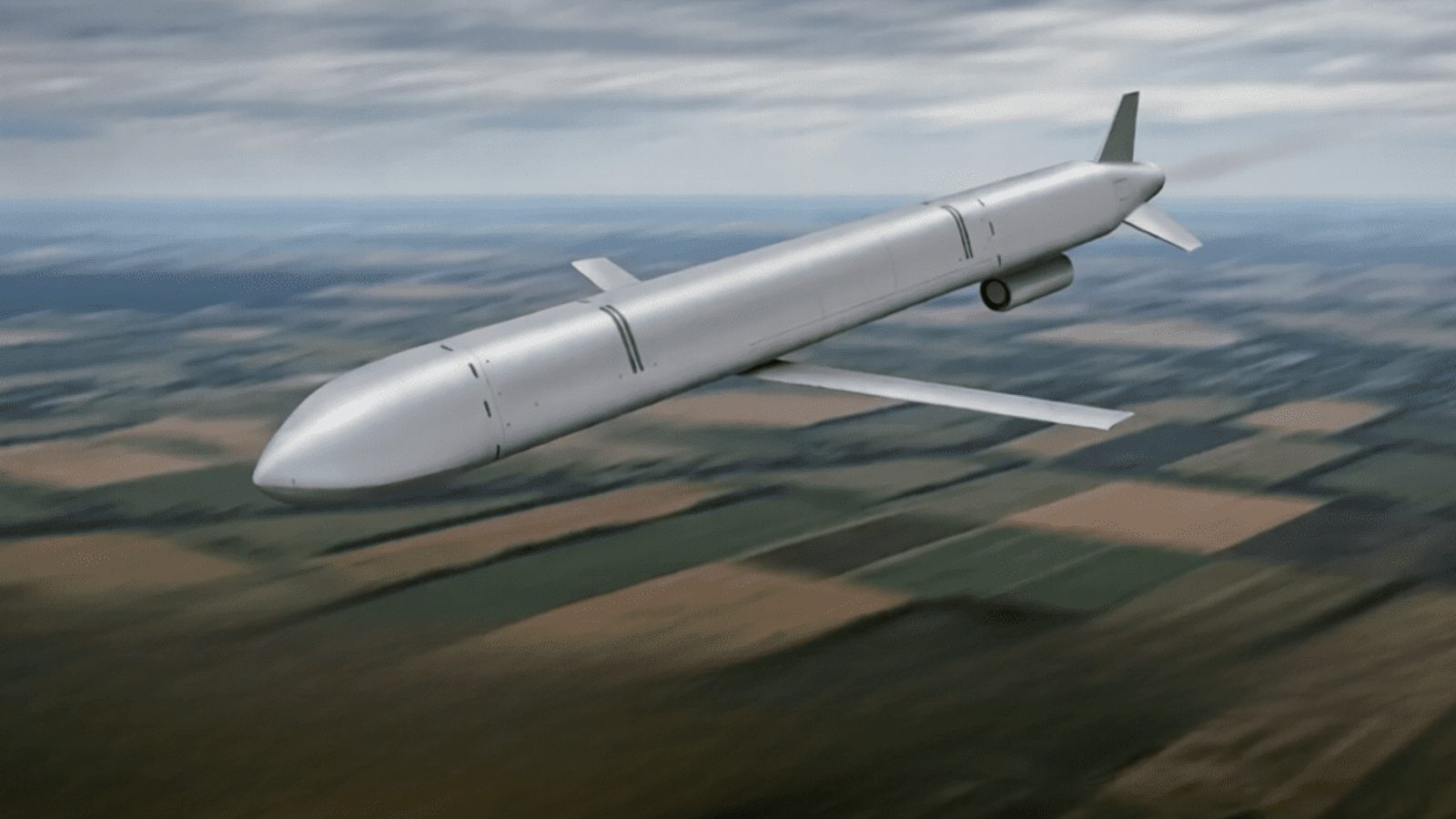
Russian missiles and drone breach Polish airspace
On November 20, 2026, Polish authorities confirmed that two Russian cruise missiles and a jet-powered drone violated Polish airspace, crashing within the country’s territory during a large-scale Russian aerial assault on Ukraine. Polish Defense Minister Władysław Kosiniak-Kamysz stated that the objects fell in the Lublin Voivodeship, specifically identifying sites in Nowy Lipowiec and Rudnik nad Sanem, as reported in an article by United24 Media. A third object, described as a jet-powered drone, was recovered in Młodźice. This breach represents a significant escalation in regional tensions, occurring during one of the most extensive Russian aerial campaigns since the start of the full-scale invasion of Ukraine in 2022.
Incident Overview and Official Confirmation
Minister Kosiniak-Kamysz characterized the event as a deliberate provocation. The recovery of a Kh-101 cruise missile, a high-precision weapon capable of carrying conventional or nuclear warheads, highlights the lethal potential of such incursions. Despite the gravity of the violation, officials confirmed that there were no casualties and no damage to critical infrastructure. The sites where the debris fell have been secured by Polish security services to facilitate a thorough investigation into the trajectories and origins of the munitions. Maj Gen Ireneusz Nowak, commander of the operational command of the Polish armed forces, noted that as many as 11 objects were identified as posing a potential danger to Polish airspace during the massive wave of Russian strikes, which involved seven bombers, 26 Kalibr cruise missiles, 72 Kh-101 cruise missiles, and more than 500 drones.
Security Implications and Regional Response
The violation of NATO territory prompted immediate security measures, including the scrambling of allied jets to monitor the border region. According to reporting by The Irish Times, the breach has drawn sharp criticism from Warsaw, with officials suggesting the timing of the incursion was not accidental. The event coincided with heightened regional military drills involving 11 nations, leading Polish security experts to interpret the airspace violation as a calculated test of allied deterrence capabilities. Polish Prime Minister Donald Tusk described the incident as an “intentional provocation” and held an emergency meeting with army and security service chiefs to assess the situation.
The incident highlights the persistent risk of the conflict in Ukraine spilling over into neighboring NATO member states. Polish leadership has emphasized the need for clearer protocols regarding the defense of the alliance’s eastern flank. The evacuation of air traffic control at Rzeszów-Jasionka airport—a major transit point for military aid to Ukraine—underscores the operational disruption caused by these violations. This was the first such evacuation at the facility since the start of the full-scale war.
Strategic Context and Next Steps
As NBC News reported, the investigation is ongoing, with Polish authorities working to determine whether the trajectories were the result of technical malfunctions or intentional flight paths designed to probe Polish air defense responses. The focus now turns to diplomatic channels, as Warsaw prepares to address the incident within the framework of NATO’s Article 4 consultations. NATO Secretary General Mark Rutte expressed solidarity with Poland, stating that the alliance would continue to strengthen its ability to deter and defend against such dangerous consequences of the ongoing conflict.
For Poland, the stakes remain high. Prime Minister Tusk emphasized that the incident demonstrates why Poland must be deeply integrated into decision-making processes regarding the future of Ukraine, arguing that Warsaw possesses a superior understanding of the direct threats posed by Russian aggression. Future security discussions are expected to prioritize the integration of advanced early-warning systems along the Polish-Ukrainian border to better detect and intercept low-flying objects that pose a threat to civilian populations. The incident serves as a stark reminder of the fragile security environment currently defining the border between NATO and the ongoing conflict in Ukraine, where minor trajectory deviations can rapidly become major diplomatic and strategic crises requiring high-level intervention.
Broader European Security Concerns
The event has sparked wider concern across Europe. Ukrainian President Volodymyr Zelenskiy labeled the strike one of the largest since the invasion began, noting that Russian forces targeted ordinary civilian infrastructure across many regions. Ukrainian Foreign Minister Andrii Sybiha argued that while Moscow attempts to initiate discussions regarding a “new security architecture for Europe,” these violations directly undermine the existing order. The sentiment in Warsaw is that the coming months will pose significant challenges, requiring a unified and resolute stance from the transatlantic community. Previous incidents, such as the July 2026 crash of a Kh-101 missile in the Lublin region and the September 2025 incursion of multiple drones, indicate a pattern of behavior that Poland is increasingly unwilling to tolerate. The Polish government is now under pressure to provide a robust response that reaffirms its territorial sovereignty while managing the risks of further escalation in a volatile security theater.