


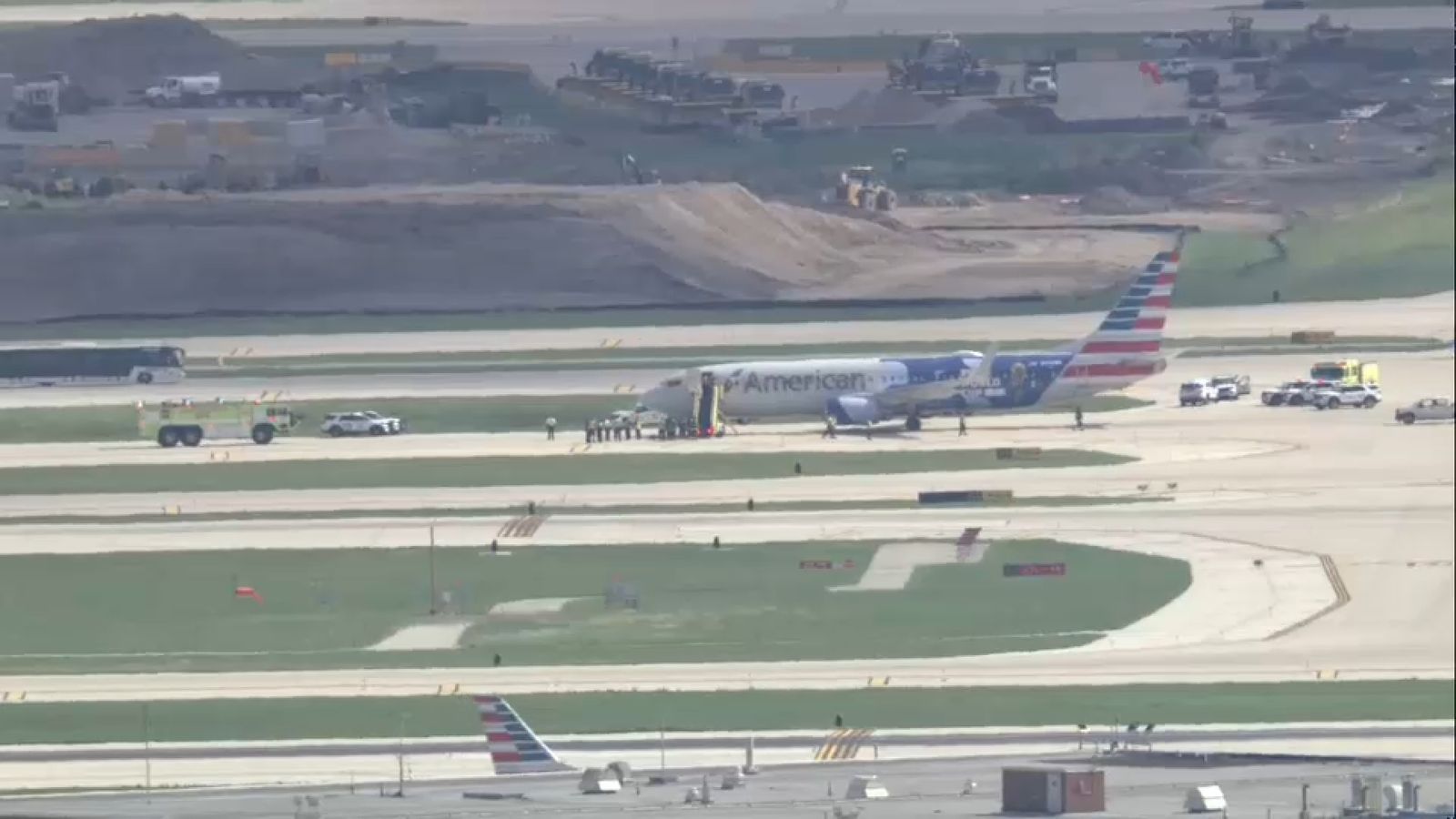
The Federal Aviation Administration (FAA) has initiated a dual investigation after two separate commercial passenger flights experienced blown tires while landing at Chicago O’Hare International Airport on Monday, August 17, 2026. The back-to-back incidents, occurring within a span of just over three hours, prompted emergency responses, temporary runway closures, and flight diversions at one of the world’s busiest aviation hubs.
Sequence of the Incidents on Monday
The first incident occurred at approximately 2:00 p.m. local time, involving American Airlines Flight 386. The Boeing 737-800 aircraft, which had departed from New York’s LaGuardia Airport (LGA), landed safely at O’Hare but immediately experienced a tire issue. According to statements from the FAA and American Airlines, the aircraft blew two of its tires during the landing sequence.
First responders met the aircraft on the taxiway out of an abundance of caution. Due to the damaged landing gear, passengers could not deplane at the gate. Instead, they exited the aircraft via mobile stairs directly onto the taxiway and were transported safely to the terminal by shuttle buses. American Airlines confirmed that the Boeing 737-800 was immediately taken out of service for a comprehensive safety inspection and maintenance review.
Later that afternoon, at approximately 5:15 p.m. local time, United Airlines Flight 739 reported a similar emergency. Arriving from Omaha, Nebraska, the United aircraft experienced a blown tire upon touchdown. As with the earlier American Airlines flight, emergency crews responded to the taxiway, and passengers were evacuated using stairs before being bused to the main terminal. No injuries were reported in either incident.
Operational Disruptions and Runway Debris
The physical impact of blown tires on a busy runway extends far beyond the affected aircraft. Shards of rubber and metal left on a landing strip represent Foreign Object Debris (FOD), which poses a severe safety hazard to other aircraft. If sucked into jet engines or kicked up by landing gear, FOD can cause catastrophic damage.
Consequently, airport authorities temporarily closed the affected runway at O’Hare to allow ground crews to sweep for debris. According to flight tracking data and air traffic control audio recordings, the temporary closure forced several incoming flights to execute “go-arounds”—aborting their initial landing approach to circle the airport—while others experienced minor arrival delays. Normal operations resumed only after the runways were certified clear of hazards.
Broader Context and Previous Incidents
These dual incidents have drawn heightened scrutiny because they follow another tire-related disruption at Chicago O’Hare just days prior. According to air traffic control audio, a different United Airlines flight was forced to abruptly abort its takeoff sequence at O’Hare due to blown tires. The occurrence of three separate tire-related events at the same major hub within a short timeframe has raised questions among aviation experts regarding runway surface conditions and airline maintenance standards.
While blown tires are relatively common in commercial aviation and pilots are extensively trained to handle them, the concentration of these incidents at a single airport on the same day is highly unusual. The FAA’s ongoing investigation will analyze flight data recorders, runway maintenance logs, and weather conditions to determine if localized factors or systemic maintenance issues contributed to the failures.