


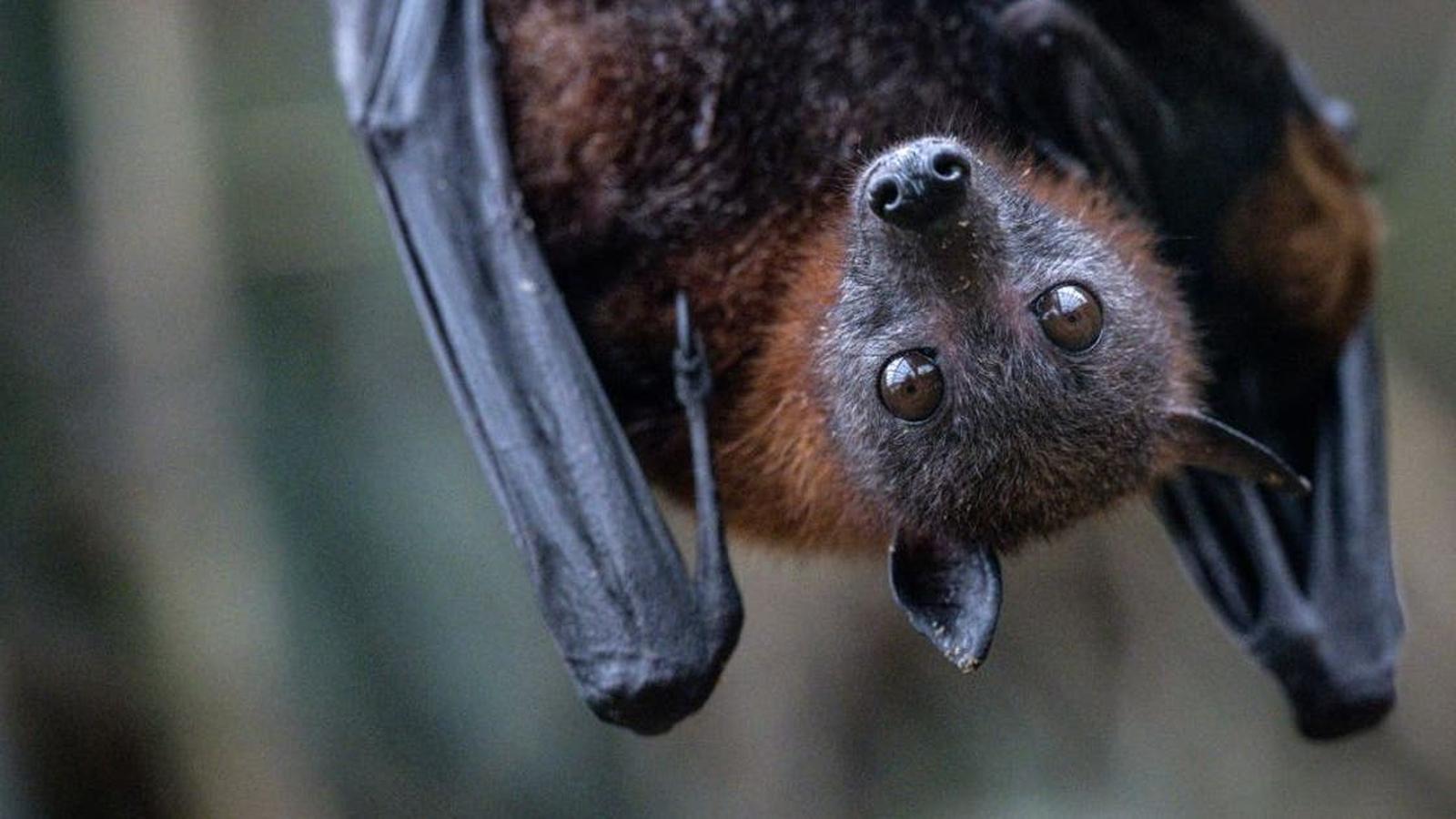
A recent medical case report published in the Canadian Medical Association Journal (CMAJ) has brought national attention to the life-threatening risks associated with seemingly minor encounters with wildlife. An 11-year-old boy in northern Ontario died from rabies in 2024 after a bat landed on his face while he was sleeping.
According to the report, the child swatted the bat away, and his father subsequently captured and released the animal outdoors. Because the boy showed no visible bite marks or scratches and appeared unharmed, the family did not seek immediate medical evaluation. Approximately 19 days later, the boy began experiencing facial numbness, vomiting, and difficulty swallowing. His condition deteriorated rapidly, leading to his death 17 days after hospital admission.
This marks the first locally acquired human rabies case reported in Ontario since 1967. Health officials emphasize that rabies remains exceedingly rare in Canada, with only 28 documented cases since 1924. However, this case serves as a stark warning regarding the nature of bat-transmitted infections.
The Medical Reality of ‘Hidden’ Exposure
The primary challenge in diagnosing bat-transmitted rabies is the subtle nature of the contact. Unlike larger predators, bat bites and scratches are often microscopic and can be easily overlooked. Medical professionals note that the rabies virus, which attacks the central nervous system, is almost always fatal once clinical symptoms manifest.
In this case, the boy was initially evaluated at an urgent care clinic for suspected Bell’s palsy and herpes-related complications. It was only after his neurological condition worsened—including hallucinations and confusion—that doctors suspected rabies. While intensive care was provided, the virus had already progressed beyond the point where standard interventions could be effective.
Public Health Implications
Public health authorities stress that post-exposure prophylaxis (PEP) is highly effective when administered immediately following potential contact. The case in Ontario, alongside a recent incident in Wisconsin where a 6-year-old girl was successfully treated after a bat bite, highlights the necessity of universal vigilance.
“Early recognition of exposure and timely PEP remain the only effective means of rabies prevention,” the authors of the CMAJ report stated. Experts advise that any direct contact with a bat should be treated as a potential medical emergency, regardless of whether a physical injury is apparent. As wildlife interactions increase during summer months, the medical community continues to urge the public to avoid handling wild animals and to prioritize professional medical assessment if even a minor physical encounter occurs.