

Quick Read
- FaZe Banks stepped down as CEO in July 2025 after a failed cryptocurrency venture and mounting criticism.
- On Christmas 2025, multiple FaZe Clan members abruptly left the organization, citing lack of control and dissatisfaction.
- Banks publicly accused former members of being ungrateful and fake, revealing deep personal and financial strain.
Christmas 2025 was anything but festive for FaZe Clan. The renowned esports and entertainment collective saw several of its most visible members—Stable Ronaldo, JasonTheWeen, Silky, Lacy, and Adapt—abruptly announce their exit on social media, sending shockwaves through the streaming community. This wasn’t just another roster change. It marked a watershed moment for FaZe, exposing deep fractures within the organization and putting its leadership, especially co-founder and ex-CEO Richard “Banks” Bengston, under a very public microscope.
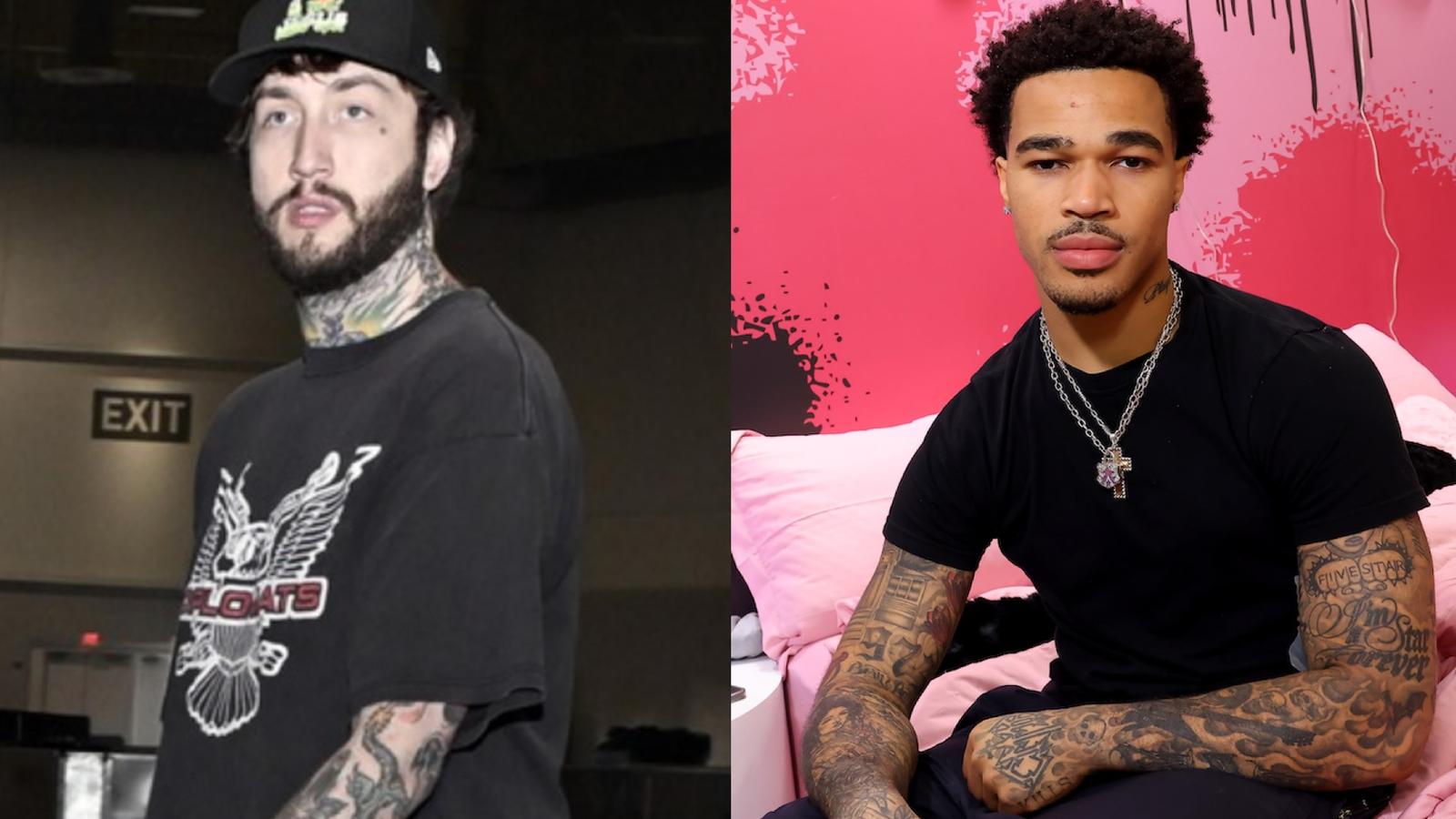
The drama unfolded over a matter of hours. As fans processed the departures, PlaqueBoyMax, a rapper and streamer who’d left FaZe in August, weighed in during a livestream. His allegations were blunt: members had “no control” and were treated like “puppets.” He played a laugh track over Banks’ tweet that distanced himself from the exodus, fueling speculation and intensifying the blame game. Banks, who stepped down as CEO in July 2025 following a failed cryptocurrency venture and mounting criticism, responded swiftly and emotionally.
“I have nothing to do with what’s going at FaZe Clan right now. I left 4 months ago and have moved on with my life. Unfortunate to see, wishing everyone involved the best,” Banks tweeted. But the narrative didn’t end there. Max’s stream triggered a direct rebuttal from Banks, who accused the former and current talent of being “incredibly ungrateful,” possessed by “insane egos,” and acting “fake” toward each other and their communities. “You guys are the best actors on planet earth, and you’ve made a complete career out of all of it,” Banks declared in a video on X (formerly Twitter), as reported by Complex and Times of India.
Banks didn’t hold back. He confronted Max’s claim that the departing members were “his boys,” revealing that some had openly stated they “hated [Max’s] guts” after his departure. “A fucking entire hate mob is coming after me on fucking Christmas, my first Christmas without my mom, when all I’ve ever fucking wanted to do is help FaZe be successful,” Banks said, giving the feud a deeply personal edge. He described himself as the “scapegoat” for the mass departure, lamenting that he’s now seen as “the guy who’s trying to take everything from everybody,” despite being “millions of dollars in debt” due to his commitment to FaZe.
What drove these exits? That remains murky. Some clues surfaced in a FandomWire and IMDb report: Banks had sold a large ownership stake, handing control to new leadership that allegedly imposed a policy requiring 20% of creators’ earnings. This, apparently, was a tipping point. The collective’s creative and financial freedoms were now in question, and the fallout was immediate—members left en masse, and the future of FaZe Clan itself was thrust into uncertainty. Rumors swirled about a possible shutdown, but no official confirmation followed.
PlaqueBoyMax’s own exit earlier in the year had already hinted at trouble. He’d joined FaZe Clan in April 2024 and quickly made a name for himself with the “In the Booth” series. By August 5, 2025, he was gone—later telling fans that his time with FaZe “changed my life” but also admitting to “mistakes,” a “growing ego,” and “lack of confidence and judgement.” Banks shared screenshots of their private conversations, showing a mix of regret and self-reflection on Max’s part, as reported by SoapCentral.
The relationship between Banks and Max seemed, at least privately, more nuanced than their public exchanges suggested. Banks claimed that Max had approached him for advice on creative and career decisions, and that they’d had heartfelt conversations after Max’s departure. In these texts, Max reportedly acknowledged holes in his team and expressed gratitude where he could. Yet, when the mass exits hit, Max appeared to leverage the situation for content, farming the drama for engagement and views.
While Banks’ leadership style and public statements have drawn criticism, he insists his intentions were always to help FaZe Clan thrive. “Their money and platforms all sky-rocketed after meeting me, but I’m the bad guy? None of it makes sense,” Banks tweeted, suggesting a deep sense of betrayal. Notably, none of the departing members have issued public responses to Banks’ accusations or clarified their reasons for leaving. The organization itself remains silent about the future and has yet to announce a permanent CEO replacement.
Amid all the noise, the core issue seems clear: FaZe Clan, once a beacon of gaming and influencer culture, is now grappling with the human cost of rapid growth, shifting control, and conflicting personalities. Banks, for his part, appears both exhausted and embittered, struggling with personal loss and the collapse of a project to which he dedicated his adult life. The question now lingers for fans and industry insiders: can FaZe Clan survive this reckoning, or is this the beginning of its end?
FaZe Banks’ story serves as a cautionary tale about the perils of mixing personal ambition, business, and online fame. The facts reveal a leader burdened by debt and emotional strain, an organization fractured by power shifts, and a cast of creators caught between loyalty and independence. As the dust settles, FaZe Clan’s next chapter remains uncertain—but the lessons about transparency, gratitude, and leadership in the digital age are already echoing far beyond the gaming world.