


Strategic Shifts in the Round of 16
With the Round of 32 concluding, the FIFA World Cup 2026 has entered its high-stakes knockout phase. According to recent performance analysis from The Athletic, the tournament landscape has shifted, favoring teams that have demonstrated both defensive solidity and high-volume attacking output. For fantasy managers, the transition from group stage logistics to knockout precision requires a fundamental re-evaluation of assets.
France, currently topping global performance rankings, remains the primary source of points. With Kylian Mbappé leading the Golden Boot race with six goals and Michael Olise dominating assist metrics, these assets are essential. Similarly, Argentina’s progression suggests that sticking with established premium players remains the safest strategy, particularly as they prepare for a favorable path to the quarter-finals.
Identifying Differential Assets
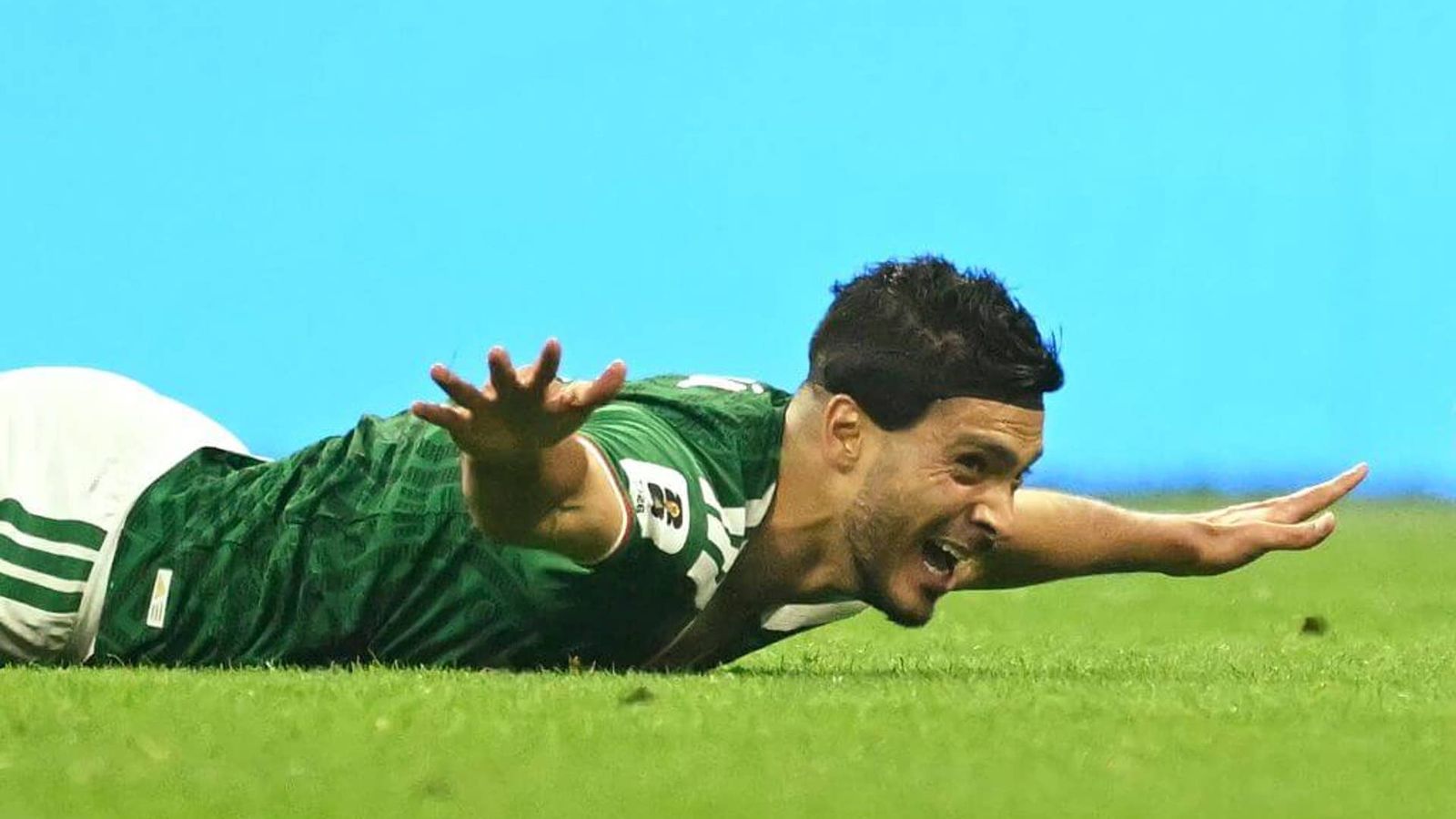
As competition intensifies, the value of ‘differential’ players—those with lower ownership but high scoring potential—increases. Mexico, after securing their first knockout win in 40 years, has emerged as a tactical goldmine. With Julian Quinones and Raul Jimenez proving to be consistent goal threats, their inclusion offers a high-upside alternative to more expensive assets from historically dominant nations.
Morocco’s continued success, highlighted by their victory over the Netherlands, confirms that defensive units from disciplined, well-drilled teams are undervalued. Issa Diop’s late-game contributions and the team’s overall tactical cohesion suggest that defensive assets from Morocco could be crucial for managers looking to differentiate their squads from the casual majority.
Analysis: Managing the Knockout Transition
The transition to the knockout format fundamentally changes the risk-reward calculation. In the group stage, managers could afford to rotate players based on fixture ease. In the Round of 16, every match is a potential exit point. Data indicates that teams like Brazil and Spain, who have shown significant attacking impetus, are now the most efficient investments for captaincy choices.
However, managers must also account for the ‘banana skin’ effect. The elimination of teams like the Netherlands and Germany in the Round of 32 serves as a stark reminder that FIFA rankings do not guarantee progression. The most successful managers in the current cycle are those who prioritize players from teams with a clear path in the bracket, such as France or Argentina, while hedging with high-form individual performers from underdog nations like Norway or Morocco.