


End of an Era for Atlas V
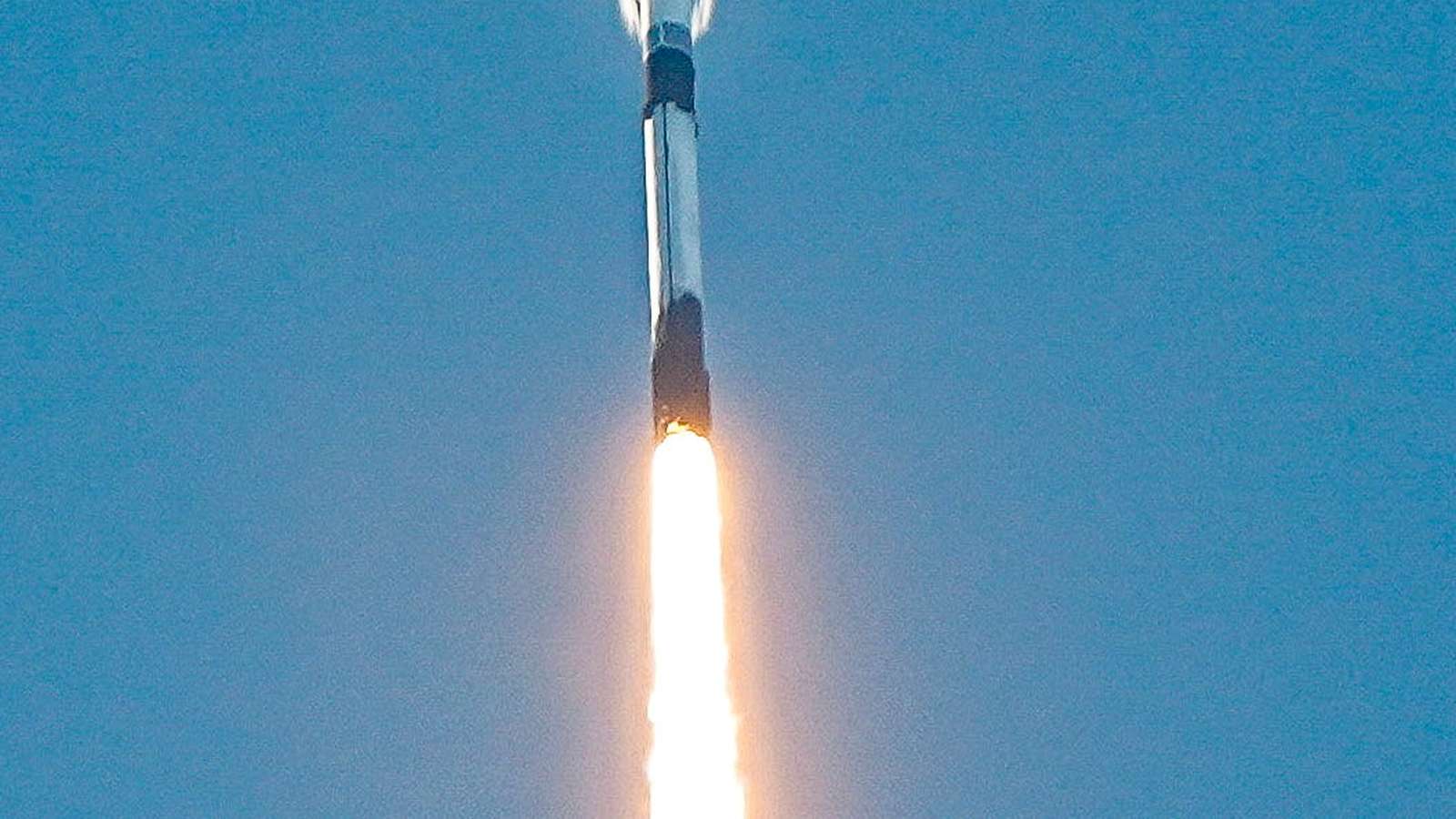
United Launch Alliance (ULA) officially retired the Atlas V 551 rocket configuration early on July 2, 2026, successfully delivering 29 Amazon Leo broadband satellites to low Earth orbit. The launch, which lifted off from Space Launch Complex 41 at Cape Canaveral Space Force Station at 12:30 a.m. EDT, marks the 110th flight of the Atlas V program and the final use of the specific 551 heavy-lift variant.
The 551 configuration, defined by its five solid rocket boosters, a five-meter-wide payload fairing, and a single-engine Centaur upper stage, has been a workhorse for ULA since its debut in 2006 with the New Horizons mission to Pluto. Over its lifespan, this specific variant has maintained a 100 percent success rate, cementing its reputation for reliability in high-stakes orbital deliveries.
Stakes for Amazon’s Connectivity Goals
The mission, designated as Leo Atlas 8 (LA-08) by Amazon, is critical to the company’s efforts to build a competitive low Earth orbit (LEO) broadband constellation. With this deployment, the total number of Amazon Leo satellites in orbit reaches 396. Amazon aims to initiate early commercial service by the end of 2026, positioning its network to compete directly with established providers like SpaceX’s Starlink.
“Atlas 5 has played a critical role in the early deployment phase for Amazon Leo, launching 224 satellites with a 100 percent success rate across all eight missions,” said Melissa Wuerl, Amazon Leo Director of Launch Systems. The company is now pivoting toward its next phase of deployment, utilizing a dedicated vertical integration facility at the Cape to support upcoming Vulcan launch missions.
Transition to the Vulcan Era
The retirement of the Atlas V 551 represents a broader strategic shift for ULA as it transitions its heavy-lift capabilities to the newer Vulcan rocket. While six Atlas V rockets remain in the fleet, they are reserved exclusively for Boeing’s CST-100 Starliner missions, which utilize the N22 configuration featuring a dual-engine Centaur upper stage.
Analysis of the current launch landscape shows that while ULA is moving toward the Vulcan platform, the industry is currently facing a period of adjustment. Both ULA’s Vulcan and Blue Origin’s New Glenn vehicles have recently faced groundings due to anomaly investigations, temporarily limiting the options for heavy-lift launch providers. Despite these challenges, Amazon maintains a diversified launch strategy, having contracted launches across ULA, Arianespace, and Blue Origin to ensure the rapid expansion of its satellite network. The success of the final Atlas V 551 flight provides a stable foundation for this transition, as Amazon looks to accelerate its launch cadence in the third quarter of 2026.