


The Evolution of the Hospitality Archetype
In the rapidly shifting landscape of modern lifestyle media, television personalities are increasingly required to transition from singular, niche roles into multi-dimensional lifestyle authorities. Fred Sirieix, widely recognized for his authoritative yet warm presence on programs like First Dates, is currently undergoing a strategic brand evolution. As he pivots toward high-end, five-star hotel-focused programming, Sirieix is aligning his public persona with a broader, more sophisticated philosophy of hospitality. This transition is not merely confined to television screens; it is actively manifesting in his personal lifestyle choices and brand collaborations, most notably through his recent partnership with luxury greenhouse manufacturer Hampton.
By integrating high hospitality standards with domestic horticulture, Sirieix is championing a lifestyle shift that elevates the humble greenhouse from a purely functional agricultural structure into an experiential dining pavilion. This move signals a broader cultural trend where consumers seek authentic, self-sustained luxury within their own homes, blurring the boundaries between outdoor gardening and indoor entertaining.
The “Plant to Plate” Philosophy in Practice
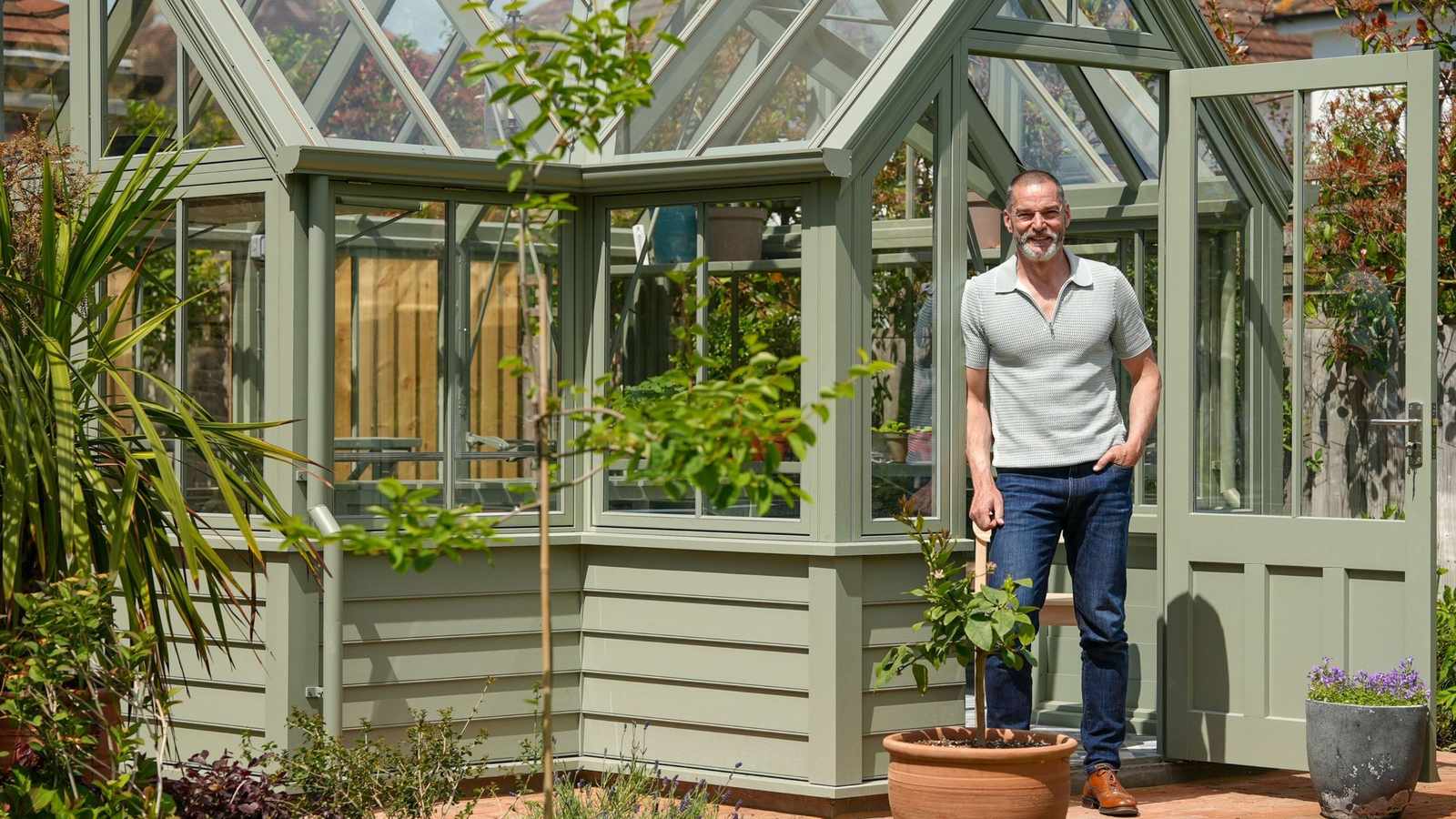
At the center of this trend is Sirieix’s installation of Hampton’s “The Causeway” greenhouse in his personal garden space. Rather than utilizing the structure solely for traditional crop cultivation, Sirieix has curated a dual-purpose environment designed for both agricultural production and social entertaining. This concept, which he describes as “plant to plate,” emphasizes a seamless connection between harvesting ingredients and consuming them in the immediate vicinity of their growth.
“As someone who has spent a lifetime working in hospitality, I’ve always appreciated where great food comes from,” Sirieix noted in an interview with lifestyle publication Ideal Home. “The idea of nurturing ingredients from seed to harvest and then enjoying them just moments later, surrounded by the plants that produced them, really appealed to me. There’s something wonderfully authentic about that connection from plant to plate.”
This approach redefines the domestic dining experience, positioning the act of eating not just as consumption, but as an immersive horticultural event. By hosting guests within the greenhouse itself, Sirieix demonstrates how the principles of professional hospitality—attention to atmosphere, sensory engagement, and narrative-driven dining—can be applied to domestic, everyday spaces.
Industry Insights: Greenhouses as the New Home Extension
Market data and industry experts indicate that Sirieix’s lifestyle choice is representative of a larger, post-pandemic shift in consumer behavior regarding property utilization. Homeowners are increasingly viewing their gardens not merely as aesthetic backdrops, but as functional extensions of their living spaces. The traditional garden room, which dominated luxury property trends over the past decade, is facing competition from versatile glass structures.
Mervyn Montgomery, founder and joint director of Hampton, confirms that consumer interest in multifunctional greenhouses is on the rise. “There is certainly a growing interest in gardeners incorporating dining areas into their greenhouses, reflecting a wider shift in how these spaces are being used,” Montgomery stated. He observed that the execution of this trend varies significantly based on individual preferences, ranging from formal, permanent dining setups to flexible, bistro-style arrangements that can be introduced for specific social events.
This sentiment is echoed by legacy manufacturers who have observed this behavior evolving over several years. Nelly Hall, creative director at Victorian greenhouse manufacturer Alitex, points out that the dual-purpose glasshouse is a natural progression for passionate home designers. “Alitex has long seen this dual purpose in action, with customers creating spaces that combine growing, relaxing, and entertaining,” Hall explained. She suggests that utilizing built-in benching at the gable ends of a greenhouse allows the central space to remain open for dining furniture, effectively creating a “horticultural room under glass.”
Maximizing Small Spaces: Vertical Integration
A common critique of luxury lifestyle trends is their perceived reliance on expansive estate properties. However, industry specialists emphasize that the greenhouse dining trend is highly scalable and adaptable to urban or smaller suburban gardens. Achieving this balance requires strategic spatial planning and a focus on vertical cultivation.
For smaller structures, such as standard retail glasshouses, experts recommend prioritizing vertical space to keep the central floor area clear for seating. Nelly Hall advises utilizing wraparound or L-shaped benching alongside elevated strawberry boards to maximize storage and growing capacity without encroaching on the dining zone. Additionally, growing climbing crops like runner beans, peas, and cucumbers on vertical supports or specialized tunnels frees up floor space while creating a lush, green canopy that enhances the dining atmosphere.
Ultimately, the transition of figures like Fred Sirieix into lifestyle-centric media platforms, mirrored by his embrace of experiential home design, highlights a growing consumer demand for authenticity, sustainability, and high-quality hospitality at home. As greenhouses continue to evolve into social spaces, they represent a broader movement toward mindful, integrated living where the boundaries between production and pleasure are permanently dissolved.