


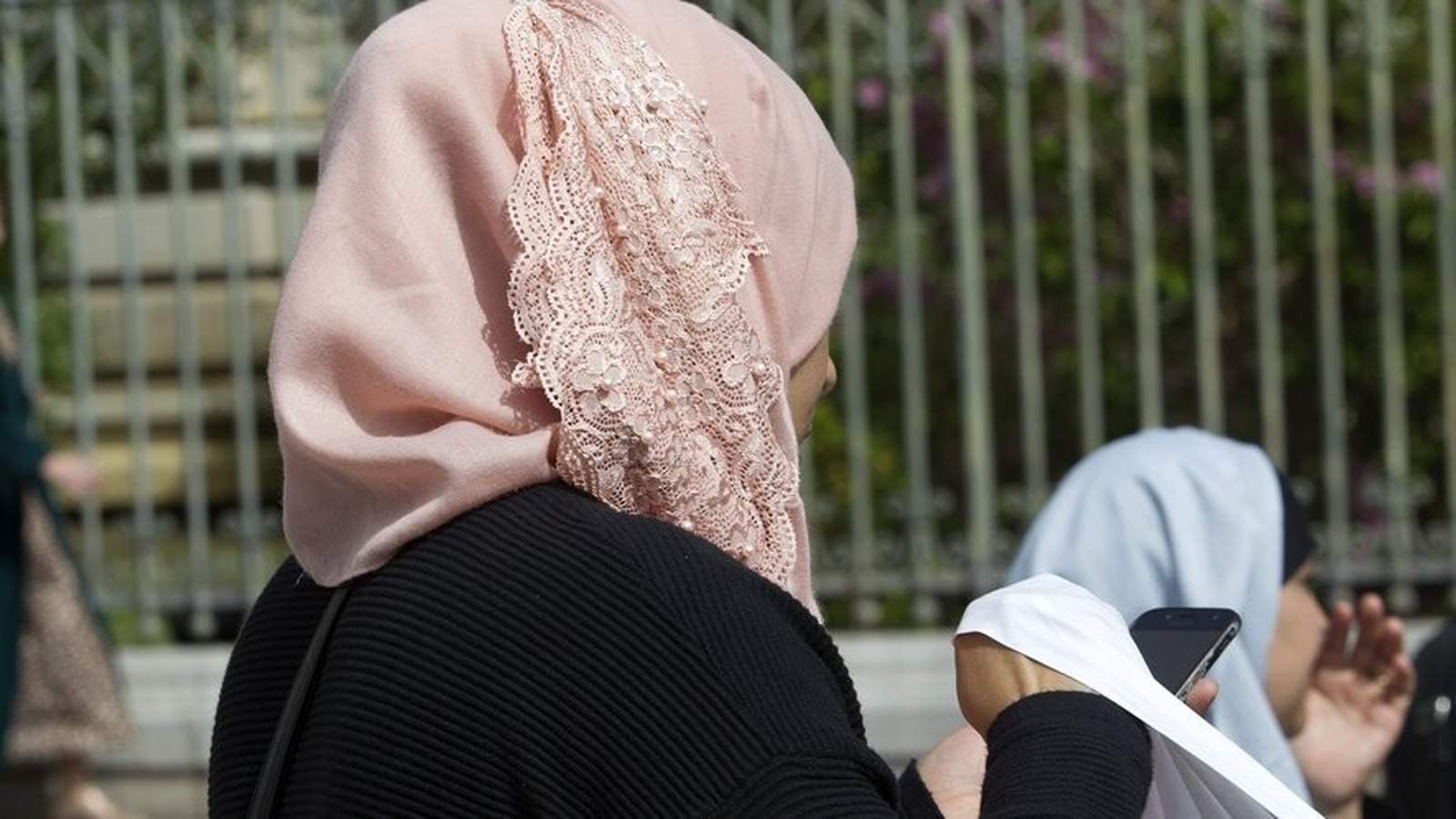
The proposal by France’s far-right National Rally (RN) to ban the Islamic headscarf in public spaces and fine those who wear it has ignited a fierce political debate, drawing sharp condemnation from left-wing leaders. Jean-Luc Mélenchon, the founder of the left-wing La France Insoumise (LFI) party, and Benjamin Lucas, a Green Party Member of Parliament, have publicly denounced the initiative, labeling it “despicable” and “Islamophobic.”
The controversy intensified following recent statements by RN lawmaker Jean-Philippe Tanguy, who confirmed that the party intends to enforce a public ban on the veil, accompanied by financial penalties for offenders, should Marine Le Pen secure the presidency in the upcoming 2027 election.
In a strong response, Mélenchon accused Le Pen and the National Rally of maintaining “sexist and Islamophobic obsessions” designed to fracture French society. He argued that sending law enforcement officers to fine women for their choice of clothing is an authoritarian overreach that undermines the core principles of the Republic. “The veil, the kippah, crucifixes are free choices in public spaces,” Mélenchon stated, reframing the concept of secularism (laïcité) not as a tool for restriction, but as “a law of freedom and unity of the people.”
Mélenchon further pledged that if the left-wing coalition wins the 2027 presidential election, the priority of French police forces would be redirected toward combating actual crime rather than policing the personal beliefs and attire of citizens.
Green MP Benjamin Lucas echoed these concerns, explicitly characterizing the RN’s proposed fines as “Islamophobic” and warning against the stigmatization of Muslim women. The clash underscores how secularism and religious symbols are set to remain highly polarizing issues in the lead-up to the 2027 French presidential campaign. While the RN positions the ban as a necessary measure to defend secular values and counter Islamist influence, critics argue that such policies distort the traditional 1905 French law on the separation of church and state, turning a guarantee of religious freedom into a mechanism of state-sponsored exclusion.