


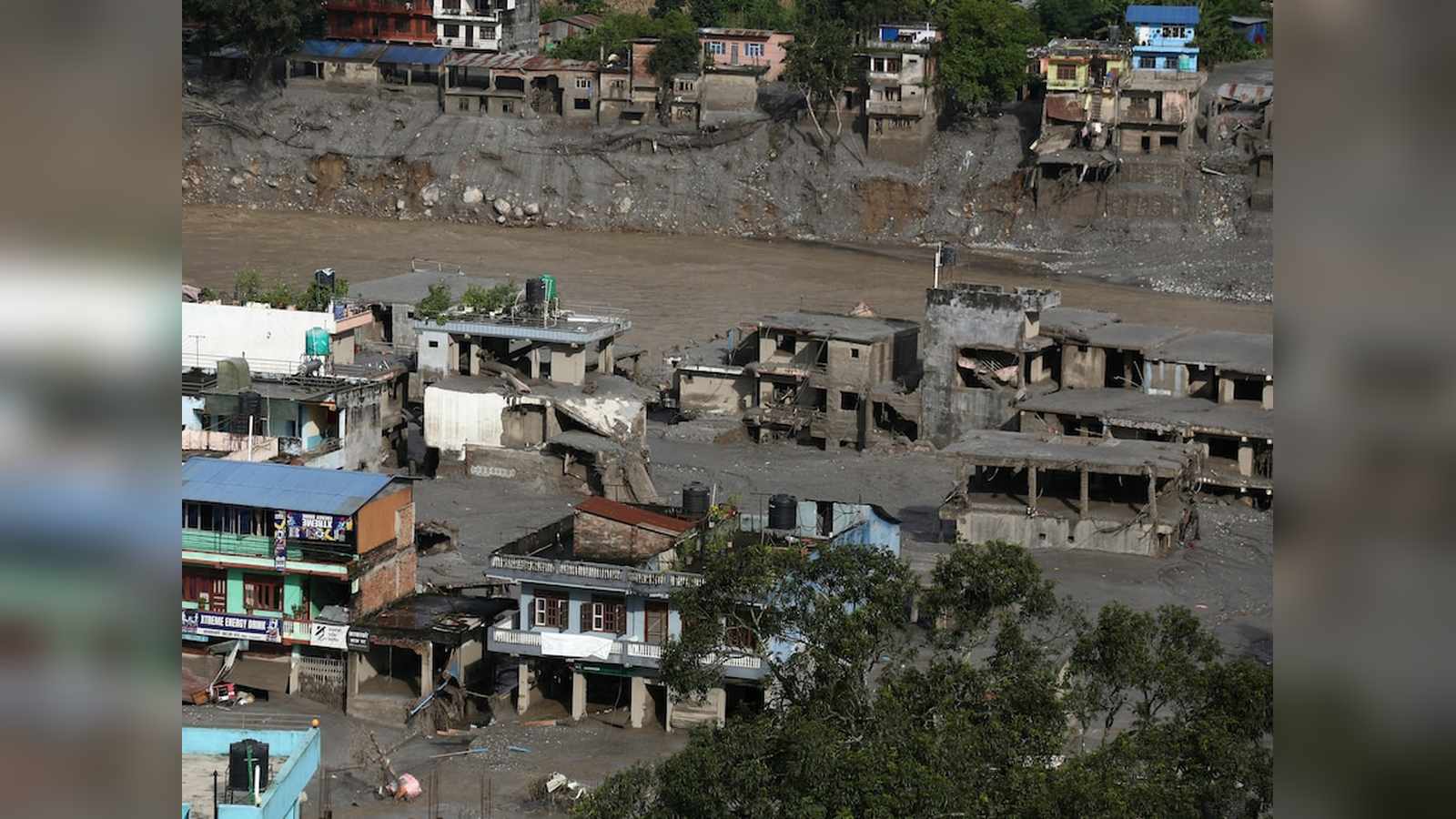
At least 43 Australian citizens remain unaccounted for following sudden, devastating flash floods along the mountainous border between Nepal and Tibet, emergency services and diplomatic authorities confirmed. The disaster, which has left more than 2,400 people missing across the broader Himalayan corridor, swept through key transit points including the Gyirong Port border crossing. According to family accounts and details reported by the Australian Broadcasting Corporation (ABC), search teams are encountering severely damaged infrastructure as families across Australia appeal for information regarding their missing relatives.
Among those confirmed missing is Renee Spry, a disability support worker in her early 50s from Queensland’s Sunshine Coast. Ms Spry had just completed a spiritual pilgrimage to Mount Kailash in Tibet and arrived at the Gyirong Port processing point approximately 10 minutes before torrential floodwaters and mud torrents swept through the border installation. Her sister, Clair Spry, made a public appeal for search support on social media, emphasizing that the family continues to hold out hope while praying for affected Nepalese communities. Ms Spry’s husband is currently making arrangements to travel to Nepal to assist local authorities and search groups directly on the ground.
This report draws on information published by abc.net.au and townsvillebulletin.com.au.
Disruption Along the Sacred Pilgrimage Corridor
The calamity struck during peak pilgrimage season for Mount Kailash, a holy site in Tibet revered across Hindu, Buddhist, Jain, and Bon traditions. Many of the missing Australians were part of organized tour groups returning to Nepal through the Gyirong gorge crossing after completing their treks.
In addition to Ms Spry, 45-year-old Sydney IT worker Gopi Krishna Naidu Agastya remains missing. Mr Agastya, a father of two from Parramatta, was inside an immigration clearance facility at the Gyirong crossing when the floodwaters inundated the facility. He was traveling as part of a group organized by the Isha Foundation, a spiritual organization that hosts international pilgrimages to the region. His family and community members in New South Wales are actively seeking updates from international relief agencies.
Other Australian citizens identified among the missing include Wantirna South residents Sidharthi Kumari Sahu, 39, and her husband Sandeep Mohapatra, 43, who were traveling with the Kailash Journeys tour group. The pair had been photographed in Kathmandu alongside other group members, including Queensland resident Kanagamah Sundrasan and Australian Royal Air Force member Karan Bhardwaj, shortly before moving toward the border zone.
Infrastructure Failure and Impact on the Diaspora
The violent flash floods tore through narrow river valleys, destroying bridges, tearing away stretches of road, and severing electrical grids and telecommunications networks. Preliminary reports indicate that torrential mudflows swept down steep gradients with little advance warning, rendering escape nearly impossible for travelers caught inside border control buildings or along narrow mountain roads.
The tragedy has resonated deeply within Australia’s Nepali community. In Alice Springs, where several hundred Nepalis reside, more than 250 community members gathered for a candlelight vigil. Community organizers noted that several local families in Central Australia have unconfirmed news about close friends and family members lost in the affected Himalayan valleys. Local fundraising initiatives and volunteer drives have been established to direct emergency resources back to Nepal.
Humanitarian Response and Defence Force Deployment
In response to the growing crisis, the Australian Government announced an increase in its humanitarian aid package to Nepal, committing $8 million (AUD) in immediate emergency assistance. Assistant Foreign Minister Matt Thistlethwaite confirmed that the funding focus will address acute water, sanitation, and power shortages across impacted border zones.
“There’s a desperate need for these kits for people in the region and also solar lights,” Thistlethwaite stated, noting that the complete destruction of local power lines and mobile phone towers has severely hindered rescue operations. The Australian Defence Force (ADF) has been tasked with airlifting relief supplies, including hygiene packs, clean water filtration units, and solar lighting arrays, to facilitate ongoing recovery efforts and support displaced survivors in temporary camps.
Search and rescue operations along the Nepal-Tibet border remain extremely precarious due to ongoing landslide risks, blocked mountain passes, and disrupted satellite communications. Foreign diplomatic missions in Kathmandu and Beijing continue to coordinate with local military units and border patrols to trace missing foreign nationals and establish verified casualty registers.